Tonsil Stones: What
You Need to Know
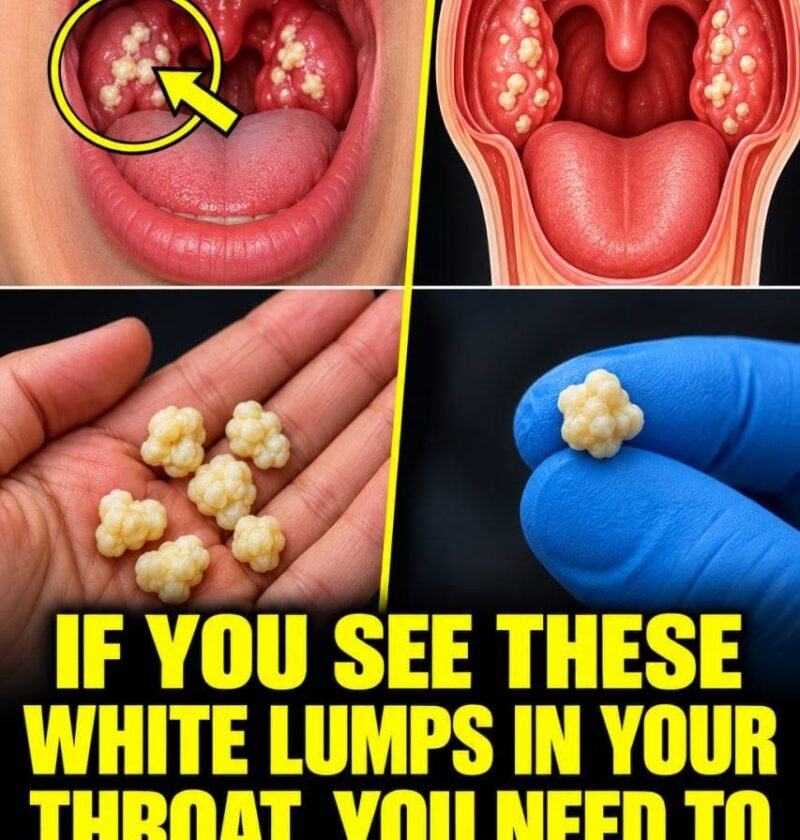
Tonsil stones are small, hardened lumps that form in the crevices of your tonsils. They’re made up of things like
food particles, mucus, bacteria, and dead cells that become trapped and gradually calcify.
They’re more common than many people realize, and some people have them without even knowing it.
Common signs
You may have tonsil stones if you notice:
- Persistent bad breath
- A bad taste in your mouth
- White or yellow spots or lumps on the tonsils
- A feeling that something is stuck in your throat
- Sore or irritated tonsils
- Difficulty or discomfort when swallowing
- Occasionally, ear discomfort
Small tonsil stones often cause no symptoms at all.
Why do they happen?
Your tonsils naturally contain small folds and pockets called crypts. In people with deeper or more numerous crypts, debris can become trapped more easily. Over time, bacteria and minerals can cause that material to harden into a stone.
Frequent tonsillitis, dehydration, and poor oral hygiene may also contribute.
Are tonsil stones dangerous?
Usually, no. Tonsil stones are generally harmless and don’t require medical treatment if they aren’t causing problems.
Good oral hygiene—including brushing your teeth and tongue, flossing, and staying hydrated—can help reduce the buildup that contributes to them.
If stones are large, keep coming back, cause significant discomfort, or are accompanied by severe throat pain, fever, bleeding, or difficulty swallowing or breathing, it’s worth seeing a doctor or ENT specialist.
And one important point: persistent bad breath isn’t always caused by tonsil stones. Gum disease, dental problems, dry mouth, reflux, and other conditions can also be responsible.