Pain on the Left Side of the Body: What Could It Mean?
Left-sided pain can come from muscles, nerves, bones, the digestive system, kidneys, spleen, lungs, or heart. The location, severity, duration, and accompanying symptoms matter more than the fact that it’s on the left side. Medical News Today+1
Common possibilities
-
Muscle strain or injury: Pain may follow exercise, lifting, an awkward movement, or minor trauma.
-
Nerve irritation: A pinched or irritated nerve can cause burning, tingling, numbness, or pain that travels along an arm, leg, or side.
-
Digestive problems: Gas, constipation, reflux, or other gastrointestinal conditions can cause pain on the left side.
-
Kidney problems: Pain from a left kidney problem is usually felt toward the side or back beneath the ribs and may occur with fever, painful urination, vomiting, or blood in the urine. Mayo Clinic
-
Spleen problems: Pain behind the left ribs can occur when the spleen is enlarged or injured. After abdominal trauma, severe left-upper-abdominal pain with dizziness or a rapid heartbeat can indicate a ruptured spleen and requires emergency care. nhs.uk
-
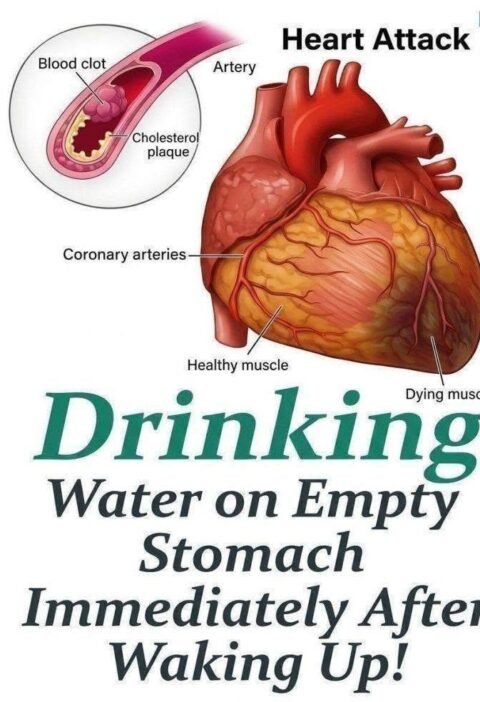
Heart-related pain: A heart attack can cause chest pressure or pain that spreads to the left or either arm, shoulder, back, neck, jaw, or upper abdomen. Shortness of breath, sweating, nausea, and lightheadedness may also occur. Mayo Clinic+1
🚨 When left-sided pain is an emergency
Call your local emergency service immediately if the pain is new or severe and occurs with chest pressure, difficulty breathing, fainting, cold sweating, severe weakness, or pain spreading to the arm, jaw, neck, or back. Don’t assume that pain is muscular or indigestion. Mayo Clinic
Likewise, sudden severe side/back pain accompanied by blood in the urine, fever, vomiting, or other serious symptoms needs prompt medical evaluation. Mayo Clinic
Bottom line: Left-sided pain isn’t automatically a sign of a heart problem, but new unexplained pain—especially chest or upper-body pain with other symptoms—shouldn’t be ignored.