Viral beauty blogs and kitchen-cosmetic reels love to use dramatic, effortless hooks like “My mom taught me this trick to diminish dark age spots on my hands in just 3 mins with 0 effort” to promise that a quick pantry mixture or secret rub will erase years of hyperpigmentation overnight.
While it is true that gentle exfoliation or moisturizing can temporarily brighten the look of dry skin, true age spots cannot be vanished in 3 minutes with zero effort. Understanding what causes age spots and how hyperpigmentation actually behaves explains why quick kitchen fixes rarely deliver permanent results.
What Are “Age Spots” (Solar Lentigines)?
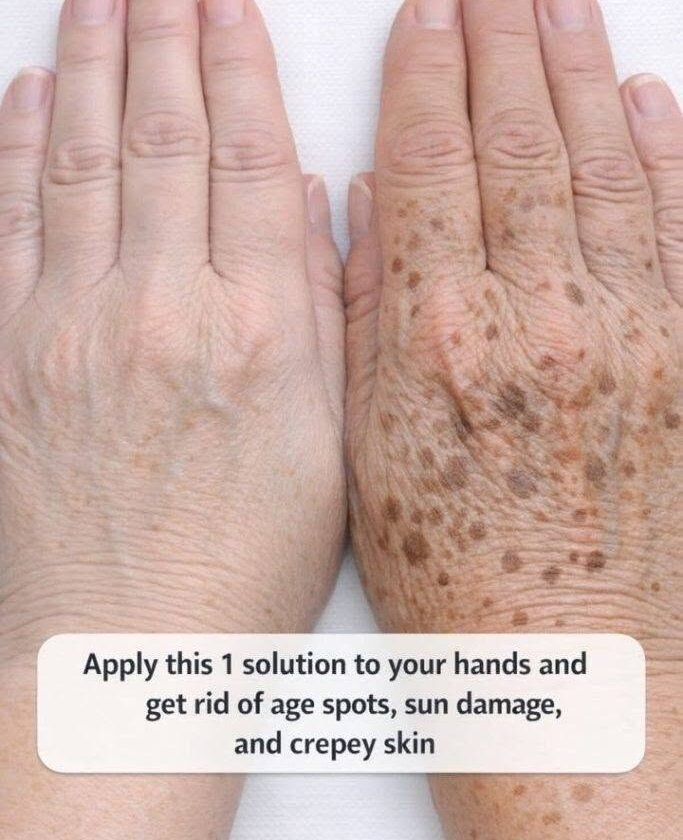
Those small, flat, darker patches that appear on the hands, face, and arms as we age are medically known as solar lentigines (often called sun spots or liver spots).
-
The Cause: They are caused by years of cumulative ultraviolet (UV) light exposure, which triggers localized overproduction of melanin—the pigment that gives skin its color.
-
Where They Live: Melanin isn’t just sitting on the surface of your skin; it is produced deep in the epidermis. Because the pigment is embedded in the skin layers, simply scrubbing the surface or applying a quick DIY mask for three minutes cannot lift or dissolve established melanin clusters.
Why Viral DIY “Quick Fixes” Fall Short
Viral videos often suggest slathering hands with mixtures like lemon juice and baking soda, raw potato, or harsh abrasive scrubs. While these ingredients sound harmless, they often come with drawbacks:
-
The Lemon Juice Trap (Phytophotodermatitis): Citrus juices contain chemical compounds called furocoumarins. If you put lemon juice on your hands and then step out into the sun, it can trigger a severe chemical reaction that causes blistering, chemical burns, and—ironically—worse dark spots (hyperpigmentation).
-
Surface-Only Scrubbing: A physical scrub only removes dead skin cells from the very outermost layer. It does nothing to alter the melanin production occurring deeper down in the skin.
What Actually Fades Hyperpigmentation Scientifically
If you want to genuinely lighten or diminish sun spots over time, it requires patience, active ingredients, and consistency rather than a 3-minute kitchen hack:
-
Daily Broad-Spectrum Sunscreen (The Most Important Step):
-
Why: If you don’t protect your hands from UV rays daily, any fading you achieve will immediately reverse the moment the sun hits your skin again. Sunscreen prevents existing spots from getting darker and stops new ones from forming.
-
-
Topical Brightening Agents:
-
What works: Over-the-counter or prescription topicals containing ingredients like vitamin C, niacinamide, retinoids, alpha arbutin, or hydroquinone work by safely inhibiting the enzyme (tyrosinase) responsible for melanin production. These take weeks—often 8 to 12 weeks of consistent use—to show noticeable results.
-
-
Dermatological Treatments:
-
What works: For faster or more stubborn spots, dermatologists use professional treatments like Q-switched lasers, intense pulsed light (IPL), or chemical peels to safely break up the pigment clusters.
-
Skip the 3-minute viral kitchen tricks—protecting your hands from the sun and using proven, targeted skincare ingredients is the only real way to manage hyperpigmentation!