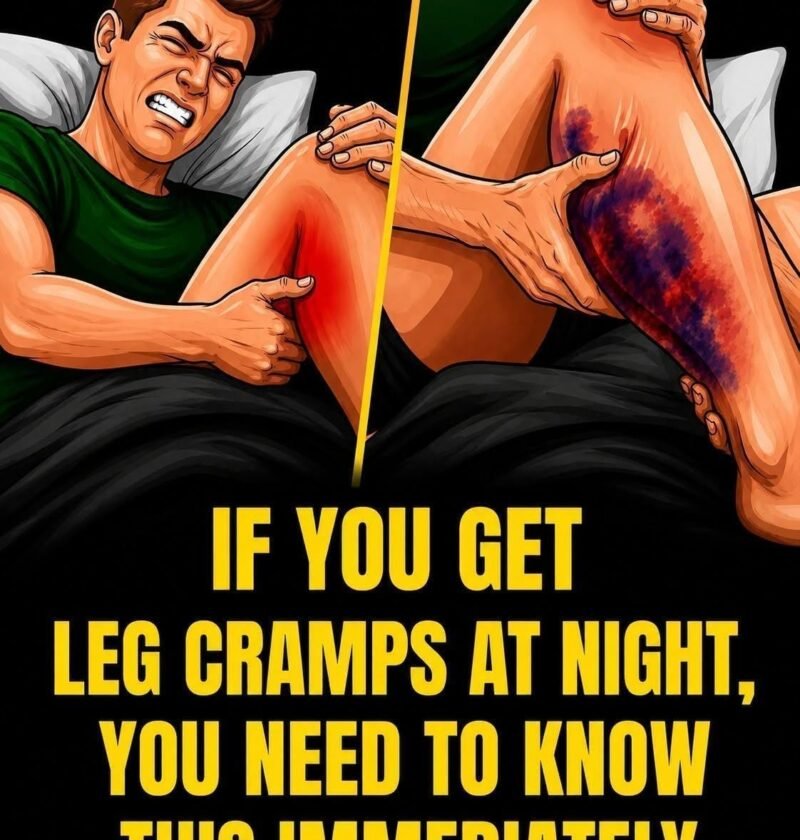
Waking up to a sudden, agonizing tightening in your calf or foot is an unforgettable experience. Nocturnal leg cramps can instantly disrupt your sleep and leave muscles sore well into the next day.
Understanding what triggers these spasms and knowing how to handle them can make all the difference.
1. What to Do Immediately When a Cramp Hits
When a cramp strikes, the muscle is locked in an intense, involuntary contraction. To break the cycle quickly, try these steps:
-
The Straight-Leg Stretch: Sit or stand, straighten your affected leg, and pull your toes upward toward your shin (dorsiflexion). If you’re in bed, you can loop a towel around the ball of your foot to pull it gently toward you.
-
Walk It Out: Getting out of bed and walking slowly can help signal the nervous system to relax the cramped muscle.
-
Massage and Heat: Gently knead the muscle to loosen the fibers. Applying a warm towel, heating pad, or taking a warm bath can also soothe the residual tension.
2. Common Causes of Nighttime Leg Cramps
While experts note that many night cramps are idiopathic (meaning they happen without an obvious underlying medical cause), several distinct factors often contribute to them:
-
Muscle Fatigue and Overuse: Strenuous workouts, long hours standing on hard surfaces, or repetitive strain can exhaust muscle fibers.
-
Dehydration and Electrolyte Imbalances: Inadequate fluid intake or low levels of essential minerals like magnesium, potassium, and calcium can prevent muscles from relaxing properly.
-
Poor Sleeping Positions: Sleeping on your back with heavy blankets tucked in tightly can force your feet downward (plantar flexion), shortening your calf muscles and making them prone to spasms.
-
Medications and Medical Conditions: Certain prescription drugs (such as diuretics or statins), pregnancy, circulatory issues, and metabolic conditions like diabetes can increase your susceptibility.
3. Simple Ways to Prevent Future Cramps
You can significantly lower your chances of waking up in pain by incorporating a few proactive habits into your routine:
-
Hydrate Consistently: Drink plenty of fluids throughout the day to keep your muscles functioning smoothly.
-
Stretch Before Bed: Spend a few minutes stretching your calves and hamstrings before turning in for the night.
-
Adjust Your Bedding: Use loose, untucked sheets and blankets so your feet can rest naturally upright rather than being pushed downward.
-
Optimize Your Nutrition: Ensure your diet includes adequate sources of magnesium and potassium, such as leafy greens, nuts, seeds, beans, and bananas.
Note: If your leg cramps are severe, happen frequently, or are accompanied by swelling, redness, or numbness, it is a good idea to consult a healthcare provider to rule out underlying vascular or neurological issues.
Do you experience these cramps often, or was this a one-time occurrence?