When viral cleaning videos promise that you can scrub away years of baked-on grease, carbonized grime, and smoke-stained glass “in minutes” using a quick DIY paste, they are selling a very satisfying fantasy.
If you have ever tried scrubbing a neglected oven with a damp sponge and baking soda, you know the reality: heavy-duty oven grease is a stubborn polymer of polymerized oils and carbon that defies quick fixes.
However, you can get your oven looking brand new without harsh industrial fumes or grueling hours of elbow grease, provided you understand how cleaning agents actually break down grease.
Here is the clinical cleaning reality behind viral oven hacks, why commercial cleaners work, and the best way to tackle the job:
The Chemistry of Oven Grease: Why “In Minutes” is a Myth
Oven grime is made of fats, proteins, and sugars that have been repeatedly heated and baked onto the metal and glass until they transform into hard, carbonized crust.
-
The Soap Problem: Standard dish soap can lift light surface grease, but it cannot penetrate baked-on carbon.
-
The Alkaline Solution: To break down stubborn grease and carbon, you need a strong alkaline (high pH) agent. Alkalinity saponifies fats—meaning it chemically turns grease into a water-soluble soap that can be easily wiped away.
Evaluating Popular Oven Cleaning Methods
1. The Overnight Baking Soda Paste (The Safe DIY Method)
-
How It Works: Mixing baking soda and water into a paste, spreading it over the interior surfaces, letting it sit overnight, and spraying it with vinegar the next day.
-
The Reality: Baking soda is mildly alkaline. While it won’t strip severe, multi-year black carbon in minutes, letting it sit overnight (8 to 12 hours) gives the alkaline compound time to soften the grease. When you spray vinegar on it, it fizzes and helps lift the softened residue. It requires some physical scrubbing, but it is non-toxic, odorless, and highly effective for moderate buildup.
2. Commercial Oven Cleaners (The Heavy-Duty Method)
-
How It Works: Aerosol sprays containing strong lye (sodium hydroxide) or potassium hydroxide.
-
The Reality: These are extremely powerful. Lye is highly alkaline and breaks down baked-on carbon and grease rapidly, often wiping away effortlessly after just 30 to 60 minutes.
-
The Catch: They emit harsh, toxic chemical fumes that can burn your skin, irritate your lungs, and damage kitchen surfaces if accidentally sprayed on aluminum or painted trim. If you use them, you must wear rubber gloves, safety goggles, and ventilate the kitchen thoroughly.
3. Steam Cleaning (The Modern Appliance Feature)
-
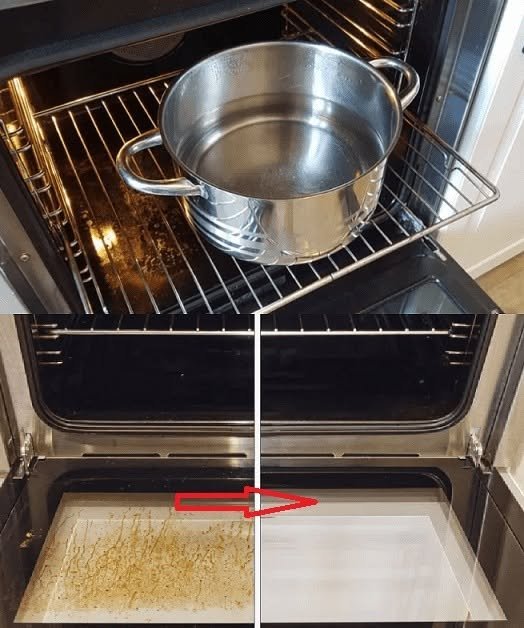
How It Works: Pouring water into the bottom tray of a self-cleaning or steam-enabled oven and turning on a low-heat cycle.
-
The Reality: Steam softens fresh, light splatters and prevents grime from baking on deeper, but it will not dissolve heavy, ancient carbon crusts on its own. It is best used as a regular maintenance tool after a deep clean.
Step-by-Step Guide to a Deep, Effective Oven Clean
If you want your oven looking brand new without losing your entire weekend, use this structured approach:
-
Prep and Clear: Remove the oven racks, thermometer, and any loose debris or ash from the bottom.
-
Apply the Cleaning Agent:
-
For non-toxic cleaning: Coat the interior surfaces (avoiding heating elements and the fan) with a thick paste of baking soda and water. Let it sit overnight.
-
For heavy-duty cleaning: Spray a commercial lye-based cleaner and let it sit according to the product instructions (usually 30 to 45 minutes).
-
-
The Rack Soak: While the oven interior sits, place your greasy oven racks in a bathtub lined with an old towel, cover them in hot water and a cup of laundry detergent or dishwasher powder, and let them soak overnight. The grease will slide right off with a quick sponge wipe the next day.
-
Wipe and Rinse: Use a non-scratch scrub pad or plastic scraper to lift the softened grime. Wipe down all interior surfaces thoroughly with a damp microfiber cloth dipped in clean water to remove any residual baking soda or chemical film.
-
Clean the Glass Door: Mix baking soda and hydrogen peroxide into a paste, apply it to the glass door, let it sit for 30 minutes, and scrub gently. It cuts through baked-on grease on glass better than almost anything else.
Safety Note: If your oven has a built-in self-cleaning mode (which uses extremely high heat—around 900°F—to incinerate food into ash), use it with caution. The intense heat can occasionally burn out internal electrical components or smoke heavily if there is excess grease. Always remove pets (especially birds, whose respiratory systems are highly sensitive to fumes) from the home during self-cleaning cycles.
Are you tackling a routine kitchen cleanup, or are you dealing with a particularly stubborn, baked-on oven mess right now?