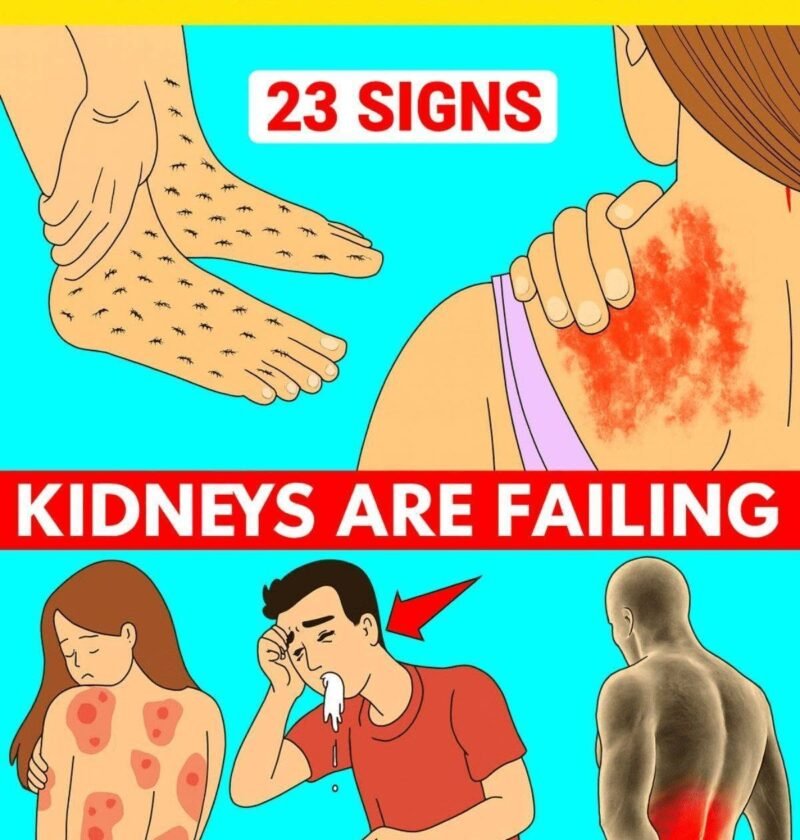
When viral health lists promise to reveal “23 strange signs your kidneys are in trouble”—often pairing them with dramatic images of swollen ankles, foamy urine, or dark circles under the eyes—they tap into a very real anxiety. Because chronic kidney disease (CKD) is often called a “silent killer” in its early stages, people are naturally terrified of missing a subtle warning sign.
While it is true that your kidneys control vital filtration, blood pressure regulation, and electrolyte balance, sensationalized lists often conflate normal bodily variations with advanced organ failure.
Here is the clinical reality behind common kidney warning signs, which ones actually matter, and what your kidneys truly need to stay healthy:
The Most Misunderstood “Signs” of Kidney Trouble
Many viral lists overhype everyday symptoms or attribute them exclusively to kidney failure when they have dozens of other causes:
-
Dark Circles Under the Eyes:
-
The Viral Claim: A sign that your kidneys are overworked and failing to filter toxins.
-
The Reality: Dark circles are almost always driven by genetics, lack of sleep, seasonal allergies, thin skin under the eyes, or normal aging—not kidney failure.
-
-
Foamy Urine:
-
The Viral Claim: A terrifying indicator that your kidneys are leaking protein.
-
The Reality: While persistent, heavy, beer-like foam can indicate proteinuria (protein leaking into the urine due to glomerular damage), occasional bubbles are simply caused by the force of the urine stream, toilet cleaning chemicals, or mild dehydration.
-
-
Puffiness Around the Eyes (Periorbital Edema):
-
The Viral Claim: Your kidneys are holding onto water and wrecking your face.
-
The Reality: Morning facial puffiness is usually caused by a high-salt dinner, sleeping flat, crying, or allergies. However, if it is paired with severe swelling in your legs and feet, it can point to systemic fluid retention.
-
Real, Clinically Significant Signs Your Kidneys Are Struggling
When kidneys are genuinely in distress or losing function (such as in advanced CKD or acute injury), they manifest unmistakable, persistent physiological signs:
-
Persistent, Generalized Swelling (Edema):
-
What Happens: Puffy, swollen lower legs, ankles, feet, or hands that leave an indentation when pressed (pitting edema).
-
Why It Happens: Failing kidneys cannot effectively remove extra sodium and fluid from the bloodstream, causing fluid to pool in the lower extremities due to gravity.
-
-
Extreme Fatigue and Brain Fog:
-
What Happens: Feeling profoundly exhausted, weak, and unable to concentrate.
-
Why It Happens: Healthy kidneys produce a hormone called erythropoietin (EPO), which tells your bone marrow to make red blood cells. When kidney function drops, EPO production plummets, leading to anemia and starving your tissues and brain of oxygen.
-
-
Itchy, Dry, Irritated Skin:
-
What Happens: Deep, relentless itching that doesn’t improve with lotions.
-
Why It Happens: When kidneys fail to filter waste, mineral balances (specifically phosphorus and calcium) go haywire, causing excess phosphorus to deposit in the skin and trigger severe pruritus.
-
-
Changes in Urination Frequency and Habits:
-
What Happens: Waking up multiple times during the night to urinate (nocturia), passing dark or brownish-red urine (indicating blood), or producing very little urine overall.
-
Why It Happens: Damage to the kidney’s filtering units (nephrons) alters urine concentration and volume.
-
How to Actually Protect Your Kidneys
Your kidneys are remarkably resilient, but they are vulnerable to two major modern threats: chronic high blood pressure and uncontrolled blood sugar. To protect them:
-
Manage Blood Pressure and Blood Sugar: Hypertension and diabetes are the leading causes of kidney failure. Keeping these numbers in a healthy range shields the delicate blood vessels inside your kidneys.
-
Stay Hydrated (Sensibly): Drinking adequate water helps your kidneys flush out metabolic waste, but you don’t need to overhydrate to extremes.
-
Use NSAIDs with Caution: Frequent, long-term use of over-the-counter pain relievers like ibuprofen, naproxen, or high-dose aspirin can constrict blood flow to the kidneys and cause acute tubular damage.
Medical Note: Routine blood work (checking your serum creatinine and calculating your eGFR) and a simple urine test (checking for protein/albumin) are the only definitive ways to evaluate early kidney function. If you have risk factors like diabetes or high blood pressure, regular screening with your doctor is essential.
Are you or someone you know tracking specific physical symptoms—like changes in urination or swelling—that prompted you to look into kidney health?