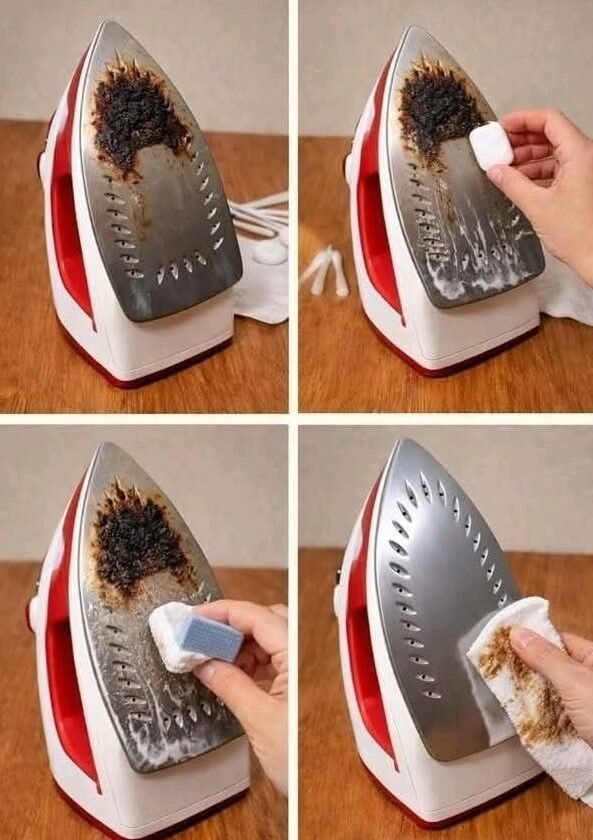
Cleaning dirty, burnt, or greasy pots and pans doesn’t require harsh chemical cleaners. Everyday household items like baking soda, white vinegar, lemon, and coarse salt are exceptionally effective at cutting through grime without scratching your cookware.
Here is a guide on how to naturally clean different types of pots and pans based on what they are made of and how tough the mess is.
1. The Ultimate Multi-Purpose Paste (For Stainless Steel & Cast Iron)
-
Best for: Everyday grease, burnt food, and general grime on stainless steel or heavy-bottomed pans.
-
Mix the paste: Combine equal parts baking soda and water (about 2 to 3 tablespoons of each) in a small bowl until it forms a thick paste.
-
Apply: Spread the paste generously over the dirty or scorched areas of the pan.
-
Let it sit: Allow it to sit for 15 to 30 minutes. For stubborn burnt spots, let it sit for a few hours or overnight.
-
Scrub and rinse: Use a non-scratch nylon sponge or a soft-bristled brush to scrub the paste in circular motions. Rinse thoroughly with warm, soapy water.
2. The Boiling Vinegar Method (For Baked-On Grease & Sauce)
-
Best for: Aluminum, stainless steel, and ceramic pots with heavy, hardened buildup.
-
Cover the bottom: Pour equal parts water and white vinegar into the pan so the liquid covers the burnt or dirty areas.
-
Bring to a boil: Place the pan on the stove and bring the mixture to a boil.
-
Simmer and scrape: Let it simmer for 3 to 5 minutes. As it heats up, use a wooden spatula or spoon to gently scrape away the loosened bits.
-
Add baking soda (optional): Turn off the heat and carefully stir in 2 tablespoons of baking soda (it will fizz up!). Let it cool slightly, then dump the liquid and scrub gently with a sponge.
3. Coarse Salt & Lemon (For Copper & Stainless Steel)
-
Best for: Tarnished copper bottoms and stained stainless steel surfaces.
-
Prep the lemon: Cut a lemon in half and squeeze the juice directly into the pan.
-
Add salt: Sprinkle a generous layer of coarse sea salt or table salt over the lemon juice and the bottom of the pan.
-
Scrub: Use the cut half of the lemon as a natural “sponge,” rubbing the salt and lemon juice vigorously across the surface. The acid from the lemon reacts with the salt to lift tarnish and break down grease.
-
Rinse and dry: Rinse with warm water and buff dry with a soft cloth for a brilliant shine.
4. How to Care for Cast Iron (Without Ruining the Seasoning)
Cast iron requires a gentler touch so you don’t strip away its natural non-stick seasoning.
-
Skip the soap (usually): While a drop of mild dish soap won’t ruin cast iron, it’s often unnecessary.
-
Scrub with salt: While the pan is still slightly warm, pour in a handful of coarse salt and a small amount of warm water. Use a stiff nylon brush or paper towel to scrub away food particles.
-
Rinse and dry completely: Rinse with warm water, then dry immediately with a towel or place it on a warm burner for 1 minute to ensure all moisture evaporates (preventing rust).
-
Re-oil: Rub a tiny drop of high-smoke-point oil (like canola or grapeseed) over the entire surface with a paper towel.
Pro-Tip: Never shock hot pots and pans (especially glass, ceramic, or cast iron) by plunging them straight into cold water, as thermal shock can cause them to crack or warp. Always let them cool down to a warm temperature first.
Would you like advice on cleaning a specific type of cookware, such as non-stick Teflon pans