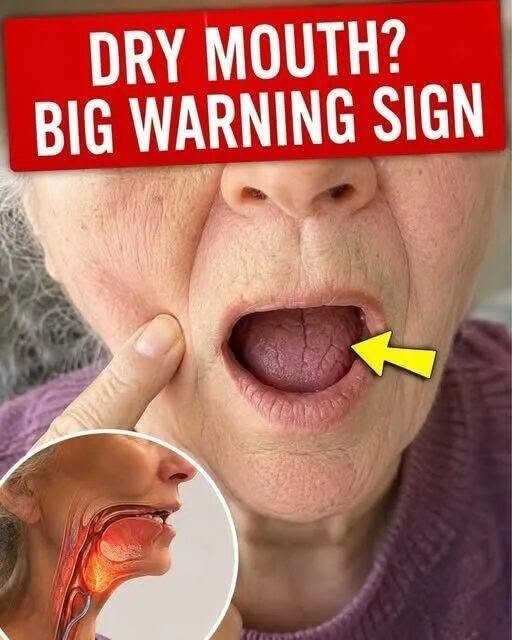
Persistent dry mouth (xerostomia) is frequently brushed off as an inevitable part of getting older. While salivary gland function can decline slightly with age, chronic dry mouth is never just a normal symptom of aging. Saliva plays a vital role in protecting your teeth from decay, keeping your throat lubricated, aiding digestion, and maintaining oral microbiome health.
When your saliva production noticeably drops, it is usually your body signaling an underlying trigger. Here are nine common reasons your saliva may be decreasing and what you can do about it:
1. Medication Side Effects (The #1 Culprit)
-
Why it happens: Over 500 commonly prescribed and over-the-counter medications interfere with the nervous signals that tell your salivary glands to produce fluid.
-
The common offenders: Blood pressure medications (like diuretics and beta-blockers), antihistamines, antidepressants, decongestants, and muscle relaxants are notorious for causing dry mouth.
2. Chronic Mouth Breathing and Nasal Congestion
-
Why it happens: If you have a deviated septum, chronic allergies, sleep apnea, or a sinus blockage, you may breathe through your mouth—especially while sleeping.
-
The effect: Continuous airflow over the oral mucosa rapidly evaporates saliva, leaving you waking up with a parched, sticky mouth and throat.
3. Dehydration and Low Fluid Intake
-
Why it happens: Your salivary glands are roughly 99% water; if your body is even mildly dehydrated, it prioritizes water for vital organs like your heart and brain, drastically cutting back on saliva production.
-
The effect: Seniors are particularly susceptible to decreased thirst sensation, making dry mouth an early indicator of systemic dehydration.
4. Sjøgren’s Syndrome and Autoimmune Conditions
-
Why it happens: Sjøgren’s syndrome is a chronic autoimmune disease in which the body’s immune system mistakenly attacks its own moisture-producing glands, particularly the salivary and tear glands.
-
The effect: It often causes severe, unrelenting dry mouth and dry eyes, sometimes accompanied by joint stiffness or fatigue.
5. Diabetes and Blood Sugar Fluctuations
-
Why it happens: Uncontrolled or fluctuating blood sugar levels frequently lead to dehydration through excessive urination, which in turn reduces salivary flow.
-
The effect: High glucose levels in the blood and saliva can also alter oral bacteria, increasing the risk of cavities and fungal infections like thrush.
6. Nerve Damage or Neurological Conditions
-
Why it happens: The nervous system orchestrates saliva production. Trauma, surgery, stroke, or neurological conditions like Parkinson’s disease can disrupt the nerve pathways that signal your glands to secrete saliva.
7. Tobacco, Alcohol, and Caffeine Use
-
Why it happens: Smoking or chewing tobacco reduces salivary flow and irritates oral tissues. Similarly, alcohol and excessive caffeine act as mild diuretics and can dry out mucosal linings.
8. Nutritional Deficiencies
-
Why it happens: Deficiencies in certain essential nutrients—particularly Vitamin B complex, iron, or zinc—can compromise the health of the delicate mucous membranes lining your mouth.
9. Anxiety, Stress, and Nervous System Activation
-
Why it happens: When you experience acute stress or anxiety, your sympathetic nervous system (“fight or flight”) takes over, instantly shutting down non-essential bodily functions like digestion and salivation.
What You Can Do About Dry Mouth
If left untreated, chronic dry mouth significantly increases your risk of tooth decay, gum disease, mouth sores, and difficulty swallowing. Here are practical ways to manage it:
-
Sip Water Frequently: Keep a water bottle with you and take small, frequent sips throughout the day.
-
Stimulate Saliva Naturally: Chew sugar-free gum containing xylitol or suck on sugar-free hard candies to mechanically stimulate your salivary glands.
-
Use Saliva Substitutes: Over-the-counter artificial saliva sprays, gels, or rinses can coat and lubricate your mouth for hours.
-
Humidify Your Bedroom: Run a cool-mist humidifier at night to prevent moisture from evaporating from your mouth while you sleep.
-
Avoid Irritants: Limit alcohol, caffeinated drinks, tobacco, and excessively salty or dry foods.
-
Review Your Medications: Never stop taking prescribed medications on your own, but do talk to your doctor or pharmacist if you suspect a drug is causing your dry mouth—they may be able to adjust your dosage or switch you to an alternative.