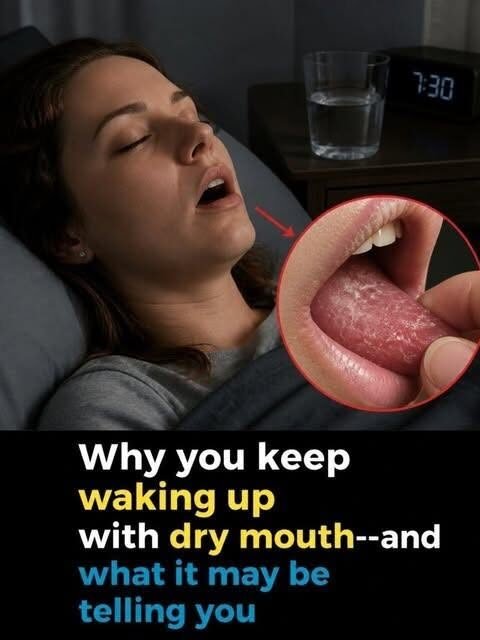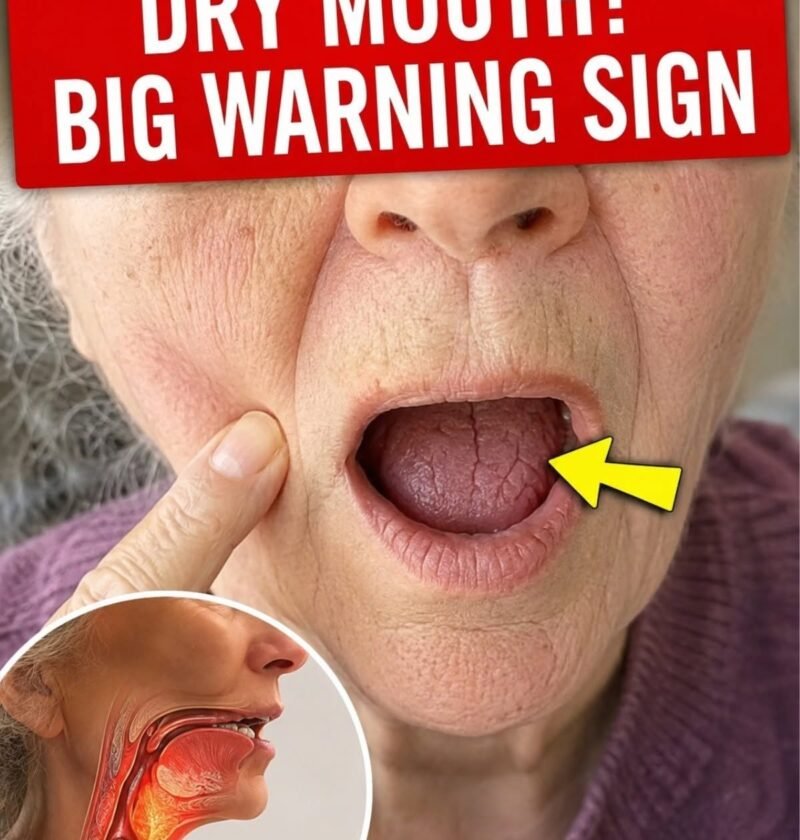
While many people brush off a dry mouth as an inevitable part of getting older, aging itself does not cause chronic dry mouth (xerostomia).
When your mouth constantly feels parched, it is not a normal sign of aging—it is a signal that your salivary glands are slowing down or shutting off.
Why Saliva Shuts Down (And Why It’s Often Mistaken for Aging)
As people get older, they are more likely to experience chronic dry mouth, which is why the myth persists. However, the root causes are usually external factors that accumulate over time:
-
Medication Side Effects (The #1 Culprit): Older adults are prescribed more medications. Over 500 common drugs—including blood pressure pills, antihistamines, antidepressants, diuretics, and pain relievers—directly interfere with the nervous signals that tell your salivary glands to produce moisture.
-
Underlying Health Conditions: Conditions like Sjögren’s syndrome (an autoimmune disorder), diabetes, thyroid disorders, and nerve damage can directly impair salivary gland function.
-
Mouth Breathing & Sleep Issues: Chronic nasal congestion, a deviated septum, or sleep apnea causes you to breathe through your mouth at night, evaporating what little moisture is left.
-
Dehydration & Lifestyle: Lower fluid intake, caffeine, alcohol, and smoking can severely reduce the flow of saliva.
Why You Shouldn’t Ignore It
Saliva is much more than just moisture—it is your mouth’s defense system. It washes away food debris, neutralizes plaque acids, and contains essential minerals (like calcium and phosphate) that remineralize your tooth enamel.
When your saliva shuts down, your oral health can decline rapidly:
-
Rapid Tooth Decay: Without saliva to protect teeth, cavities can form aggressively, especially right at the gumline.
-
Infections: A lack of saliva creates an ideal breeding ground for harmful bacteria and fungi, leading to oral thrush, gum disease, and chronic bad breath.
-
Eating & Speaking Discomfort: Swallowing dry foods, wearing dentures, and even talking for long periods become painful and difficult.
What You Can Do About It
If you are dealing with persistent dry mouth, don’t just accept it as “getting older.” Talk to your doctor or dentist to identify the root cause:
-
Review Medications: Ask your doctor if any of your current prescriptions can be swapped or adjusted.
-
Stay Hydrated: Sip water consistently throughout the day and keep a glass by your bed.
-
Stimulate Saliva: Use sugar-free gum or hard candies containing xylitol to encourage your glands to produce moisture.
-
Use Saliva Substitutes: Over-the-counter artificial saliva sprays, rinses, or gels can provide overnight relief.
Are you or someone you know currently dealing with persistent dry mouth, or trying to manage symptoms caused by medications?