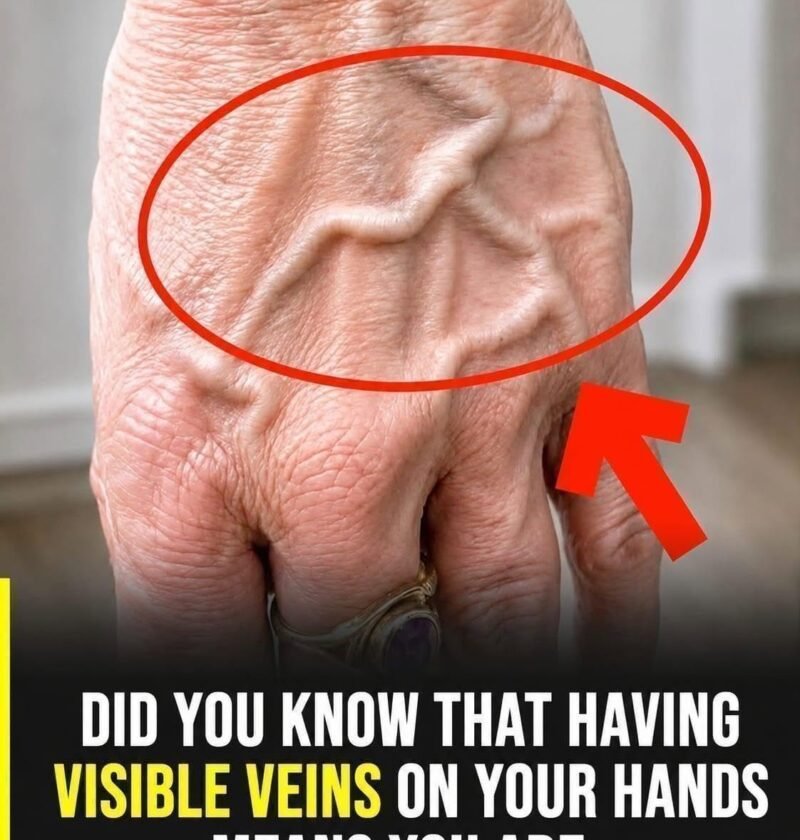
…experiencing a mix of completely normal physiological traits or, in some cases, underlying vascular signals.
Whether visible veins are a sign of something positive, neutral, or worth keeping an eye on depends heavily on who you are, where the veins are, and what they look like. Here is a breakdown of what prominent veins usually mean:
1. Low Body Fat and High Muscle Mass (The “Fitness” Factor)
For many people, visible veins in the arms, hands, legs, or chest are a sign of a lean physique. When body fat percentage is low, there is less subcutaneous fat cushioning the space between your skin and your muscles. Furthermore, regular exercise and weight training increase blood flow and muscle volume, pushing surface veins outward.
2. Genetics, Fair Skin, and Natural Aging
Anatomy plays a massive role:
-
Skin Tone & Thickness: People with naturally fair or thin skin tend to show their subsurface blood vessels much more easily.
-
Aging: As we age, our skin naturally loses collagen, elasticity, and the underlying layer of fat, making veins stand out more prominently (especially on the hands and forearms).
-
Family History: Some people simply inherit a predisposition for prominent superficial vein patterns.
3. Environmental and Temporary Triggers
Your veins naturally expand (vasodilate) to help regulate body temperature:
-
Hot Weather: Heat causes blood vessels to dilate near the skin’s surface to release heat, making them look larger.
-
Hydration and Blood Pressure: Temporary spikes in blood pressure from physical exertion, heavy lifting, or high ambient temperatures can make veins pop out temporarily.
4. When Visible Veins Point to Circulation Issues
While flat, visible veins due to thin skin or fitness are harmless, certain types of visible veins can signal chronic venous insufficiency (CVI) or poor circulation:
-
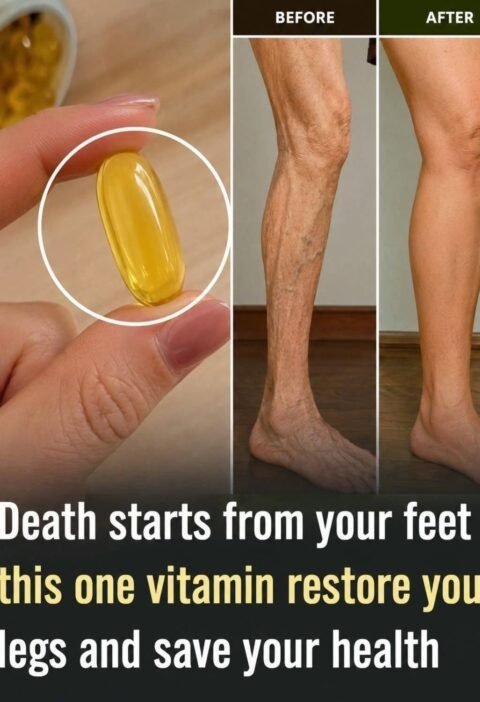
Varicose Veins: Thick, twisted, bulging, or rope-like veins (most commonly in the legs) occur when the tiny valves inside the veins weaken, causing blood to pool rather than flow smoothly back to the heart.
-
Associated Symptoms: If visible veins are accompanied by aching, throbbing, leg heaviness, nighttime cramping, or swelling around your ankles, it’s often a sign that your vein valves need medical attention.
Are you noticing visible veins in a specific area (like your legs or hands), or are you wondering if they’re tied to a change in your health or fitness?