Common Mistakes That Affect Balance in Older Adults
Balance can become more challenging with age, but frequent unsteadiness isn’t something that should simply be dismissed as “getting older.” Vision changes, weaker muscles, medications, inner-ear problems, nerve disorders, and other health conditions can all contribute.
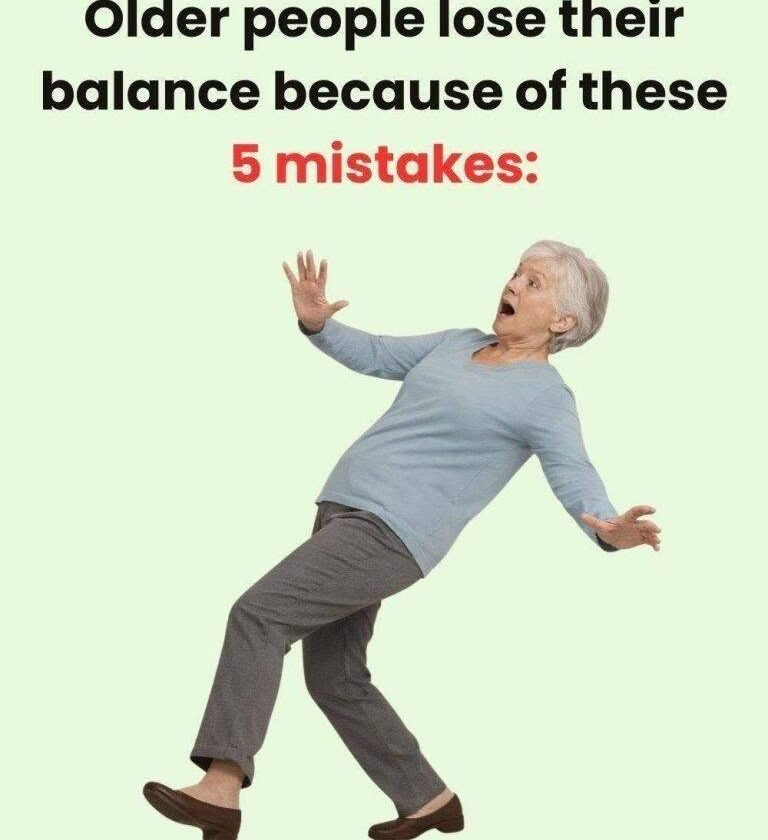
Here are some common mistakes that can increase the risk of losing balance or falling:
1. Avoiding physical activity
Being afraid of falling may lead someone to move less. Unfortunately, prolonged inactivity can weaken the legs and reduce strength, flexibility, and coordination.
Better approach: Regular, appropriate activity—including walking, strength exercises, and balance training—can help maintain mobility. Anyone with significant balance problems should ask a healthcare professional about safe exercises.
2. Standing up too quickly
Getting out of bed or a chair suddenly can cause lightheadedness from a temporary drop in blood pressure, known as orthostatic hypotension.
Better approach: Sit for a moment before standing, move your feet, and rise slowly. If dizziness happens frequently, tell your doctor.
3. Wearing unstable footwear
Loose slippers, worn-out shoes, slippery socks, and shoes without adequate support can make falls more likely.
Better approach: Wear properly fitting shoes with secure fastenings and good traction.
4. Ignoring vision problems
Even relatively small changes in vision can make it harder to detect obstacles, judge steps, or navigate in low light.
Better approach: Have your vision checked regularly and use the appropriate prescription.
5. Taking medications without reviewing their effects
Some medications can cause dizziness, drowsiness, low blood pressure, or impaired coordination. Taking multiple medications can sometimes increase these effects.
Better approach: Ask your doctor or pharmacist to periodically review all prescription and over-the-counter medicines. Never stop a prescribed medication abruptly without medical advice.
6. Leaving fall hazards around the home
Loose rugs, electrical cords, cluttered walkways, poor lighting, and a lack of handrails can turn an ordinary home into a fall risk.
Better approach: Keep walking paths clear, improve lighting, secure or remove loose rugs, and consider grab bars or handrails where appropriate.
7. Ignoring repeated dizziness or falls
Repeated falls or worsening balance can sometimes be an early sign of a treatable medical problem.
Better approach: Have persistent or worsening balance problems evaluated rather than simply adapting to them.
When balance problems need urgent attention
Sudden loss of balance, especially when accompanied by facial drooping, weakness or numbness on one side, trouble speaking, severe headache, vision changes, or difficulty walking, can be a sign of a stroke and requires emergency medical attention.
Bottom line: Good balance isn’t just about being careful. Maintaining muscle strength, addressing vision and hearing problems, reviewing medications, and making the home safer can all help reduce fall risk.