Common Mistakes That Can Affect Balance in Older Adults
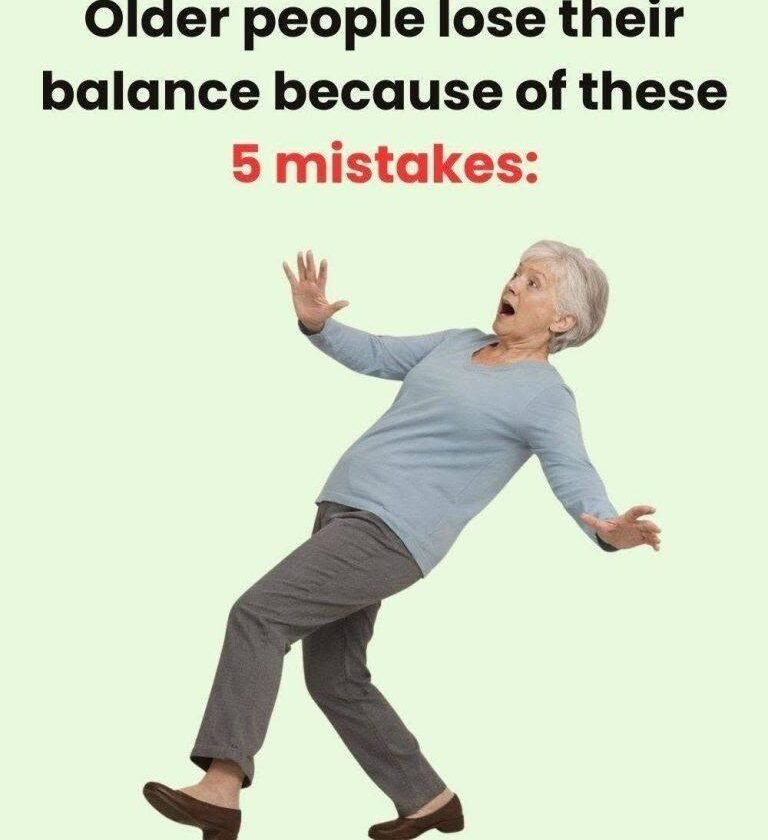
Balance problems become more common with age, but some everyday habits can make them worse and increase the risk of falls.
- Being too inactive: Avoiding movement can weaken the legs and core and reduce coordination.
- Skipping strength and balance exercises: Regular, appropriate exercise can help maintain stability and mobility.
- Wearing unsafe footwear: Loose slippers, slippery soles, or poorly fitting shoes can make walking less secure.
- Ignoring vision problems: Uncorrected changes in eyesight can make obstacles and uneven surfaces harder to detect.
- Standing up too quickly: A sudden change in position can cause lightheadedness, particularly in people prone to low blood pressure.
- Taking medications without reviewing them: Some medicines can cause dizziness, drowsiness, or low blood pressure. Medication changes should be discussed with a healthcare professional.
- Clutter and poor lighting at home: Loose rugs, electrical cords, stairs, and dark hallways can create unnecessary fall hazards.
- Ignoring dizziness or unsteadiness: Recurrent balance problems deserve medical evaluation rather than being dismissed as a normal part of aging.
- Using walking aids incorrectly: A cane or walker that is improperly fitted or used incorrectly may actually increase fall risk.
- Trying to do too much too quickly: Fatigue, rushing, or carrying heavy objects while walking can compromise stability.
When to seek medical help
Sudden loss of balance—especially when accompanied by facial drooping, weakness or numbness on one side, trouble speaking, severe headache, or vision changes—can be a sign of a stroke and requires emergency medical attention.
For ongoing or worsening balance problems, a healthcare professional can look for causes such as medication effects, vision or inner-ear problems, muscle weakness, or neurological conditions.