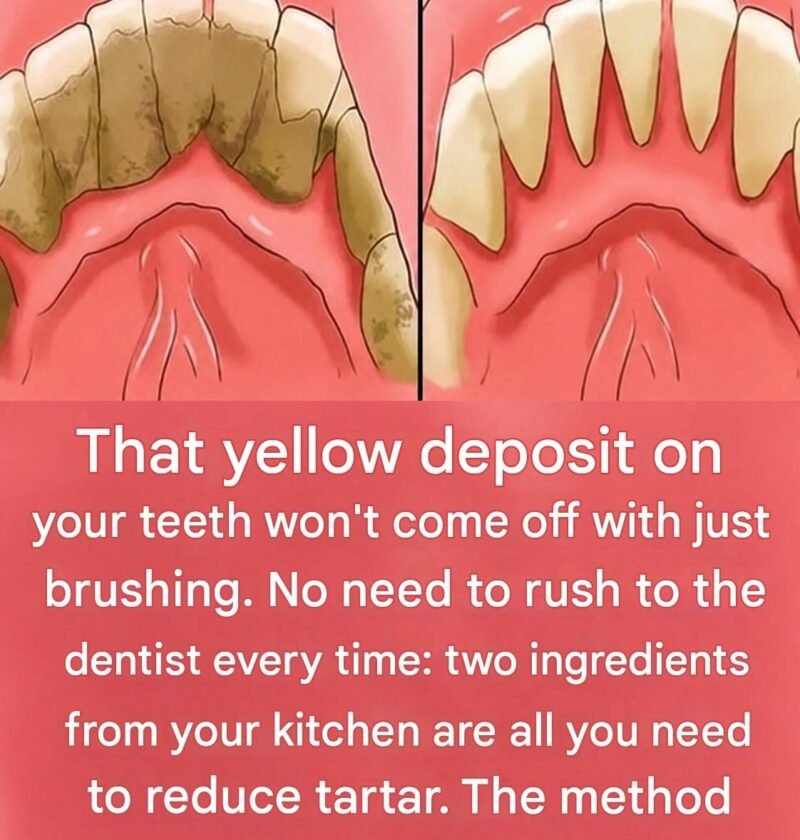
It is important to clear up a major dental misconception: you cannot safely remove tartar at home.
While you can manage and remove plaque (the soft, sticky film of bacteria that forms on teeth daily) at home, once plaque hardens into tartar (calculus), it mineralizes and bonds tightly to the enamel. Because tartar is as hard as bone, attempting to scrape it off yourself with metal dental tools, pins, or DIY hacks poses significant risks to your oral health.
Why DIY Tartar Removal Is Dangerous
-
Gum Damage: Using sharp dental picks without professional training often leads to slipping, which can lacerate or permanently recede the delicate gum tissue.
-
Enamel Scratches: Metal instruments can scratch tooth enamel. Micro-scratches create rough surfaces where bacteria and plaque accumulate even faster, worsening the problem.
-
Infection Risks: Prying at tartar near or beneath the gumline can push bacteria deep into the pocket, triggering painful abscesses or gum infections.
What You Can Do Safely at Home
The best home routine focuses on stopping soft plaque from hardening into tartar in the first place:
-
Brush Twice Daily: Use a soft-bristled toothbrush (preferably electric) and fluoride toothpaste for a full two minutes, ensuring you reach every surface.
-
Floss Daily: Plaque builds up tightly between the teeth where toothbrushes cannot reach. Flossing is the only way to clear these areas before they calcify.
-
Use an Antiseptic Mouthwash: A therapeutic mouthwash helps kill remaining bacteria and loosen lingering food particles.
-
Consider Tartar-Control Toothpaste: These formulas often contain pyrophosphates or zinc citrate, which help prevent minerals from binding to plaque and hardening into tartar.
How Tartar Is Safely Removed
The only way to effectively and safely remove existing tartar is through a professional dental cleaning. A dental hygienist uses specialized ultrasonic scalers and manual instruments designed to shatter and remove the calculus without harming your enamel or soft tissues.