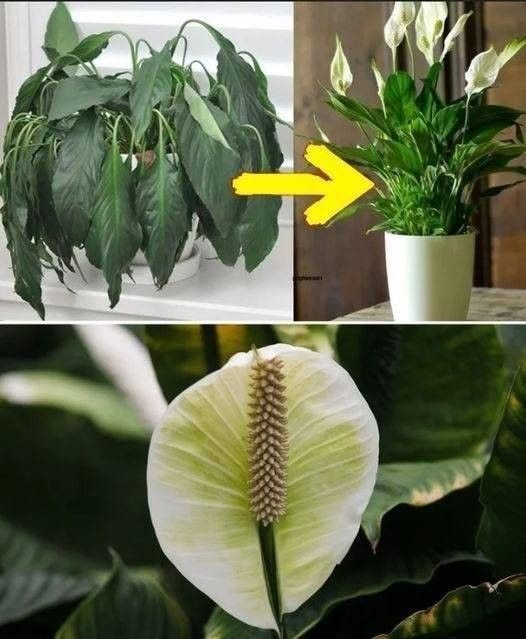
Viral internet videos and social media life-hacks frequently feature the claim that placing “just one tablespoon” of a household ingredient directly onto houseplant soil will magically revive dying plants, trigger massive blooms, or make them grow “10x faster”.
Because these videos rarely show the long-term aftermath, what actually happens depends almost entirely on what is on that tablespoon.
1. Epsom Salt (Magnesium Sulfate)
-
The Viral Claim: A spoonful of Epsom salt works as a miracle booster for all indoor plants.
-
What Actually Happens: If a plant has a verified magnesium deficiency (evidenced by yellowing leaves where the veins stay dark green), magnesium can help. However, dumping a dry tablespoon directly onto houseplant soil is a recipe for disaster. The high concentration of salts can cause a chemical burn to the roots and draw moisture out of the plant via osmosis.
-
The Right Way: Never dump it raw. If you want to use Epsom salt, dissolve 1 tablespoon into 1 gallon of water and use it sparingly as a liquid drench once a month at most.
2. Used Coffee Grounds
-
The Viral Claim: Sprinkling a spoonful of coffee grounds provides rich nitrogen and organic matter.
-
What Actually Happens: While coffee grounds do contain nitrogen, dumping wet grounds straight onto the topsoil of a potted plant compacts easily, forms an impermeable crust, and invites mold, fungus gnats, and rotting fungi.
-
The Right Way: Coffee grounds should be heavily composted or mixed in small amounts into outdoor soil piles, rather than layered onto indoor container plants.
3. Crushed Eggshells
-
The Viral Claim: A spoonful of crushed eggshells feeds calcium to the plant.
-
What Actually Happens: Raw eggshells are made of calcium carbonate, but they are physically and chemically locked. Dropping a spoonful onto your houseplant soil does virtually nothing in the short term because it takes months or years for raw shells to break down in a pot. Meanwhile, any residual egg white can attract pests and foul odors.
-
The Right Way: Eggshells must be boiled, thoroughly dried, pulverized into an ultra-fine powder in a blender, and even then, they are best suited for outdoor compost bins or garden beds where soil microbes can slowly process them.
4. Sugar or Yeast Mixtures
-
The Viral Claim: Feeding plants sugar water or yeast water gives them an instant energy surge for rapid growth.
-
What Actually Happens: Plants produce their own food via photosynthesis; they do not “eat” sugar. Dumping sugar or active yeast into soil triggers an explosion of bacteria and mold, kills off beneficial root microbes, suffocates the roots, and instantly attracts ants, fruit flies, and gnats.
The Bottom Line
While kitchen hacks can occasionally be fun experiments, dumping random dry powders or foods by the tablespoon onto indoor potted plants usually causes root burn, mold, or pest infestations. For healthy, thriving houseplants, skip the viral shortcuts and stick to standard, balanced, water-soluble houseplant fertilizers diluted according to package instructions.