Dry Mouth Is Not Aging — It’s Your Saliva Shutting Down
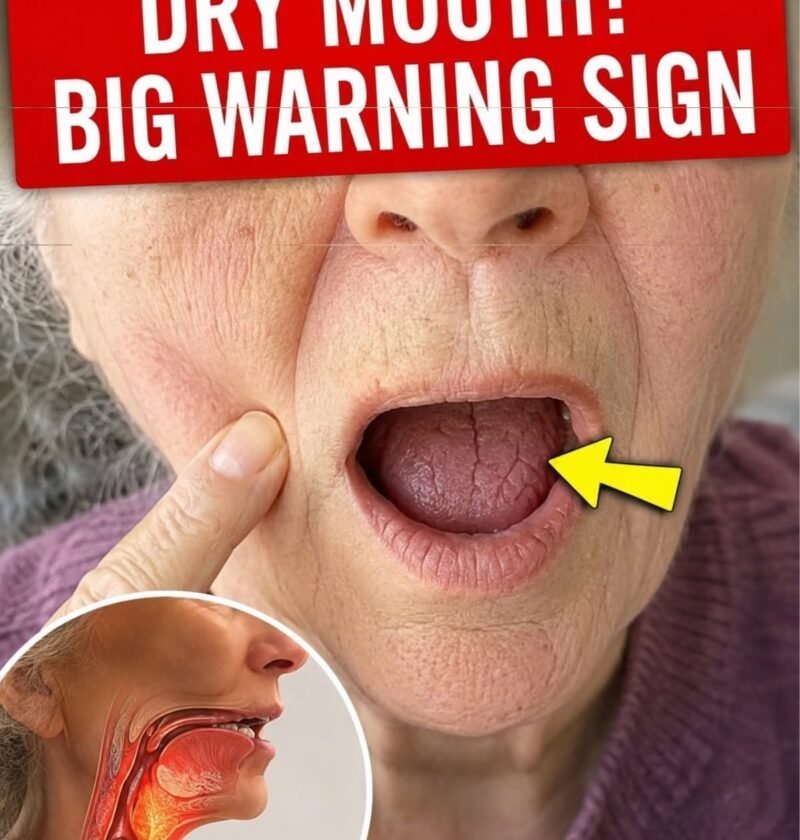
Dry mouth, medically called xerostomia, is common in older adults—but it should not automatically be dismissed as “just part of getting older.” A persistent dry mouth can mean that the salivary glands are producing less saliva or that something else is interfering with normal saliva production.
Saliva does much more than keep your mouth comfortable. It helps lubricate the mouth, make swallowing easier, protect teeth from acids, control bacteria, and begin the digestion of food. When saliva decreases, several problems can develop.
1. Medications are a common culprit
Many medications can reduce saliva production or make the mouth feel dry. These include some medicines used for high blood pressure, allergies, depression, anxiety, pain, and other conditions.
If dry mouth started after beginning a new medication—or became worse after a dose change—talk to your doctor or pharmacist. Don’t stop a prescribed medication on your own.
2. Dehydration can make it worse
Not drinking enough fluids can reduce the amount of moisture available in the mouth. Older adults may also be more vulnerable to dehydration, particularly during hot weather, illness, vomiting, diarrhea, or when taking certain medications.
Sip water regularly throughout the day unless a healthcare professional has told you to restrict fluids.
3. Salivary glands can produce less saliva
Saliva is produced mainly by several major salivary glands as well as many smaller glands throughout the mouth. Problems affecting these glands can reduce saliva production.
Certain diseases and treatments—including diabetes, Sjögren’s syndrome, radiation therapy involving the head and neck, and some autoimmune conditions—can contribute to persistent dry mouth.
4. Dry mouth can affect your teeth
Saliva naturally helps neutralize acids and wash food particles away. When there isn’t enough saliva, the risk of tooth decay, gum problems, mouth infections, bad breath, and difficulty wearing dentures can increase.
That’s why persistent dry mouth deserves attention rather than simply being accepted as an inevitable consequence of aging.
5. Your mouth may give you warning signs
Besides feeling thirsty or having a sticky, dry feeling, you might notice:
- Difficulty swallowing or speaking
- A dry or sore throat
- Cracked lips
- Thick or stringy saliva
- Changes in taste
- Bad breath
- More cavities than usual
- Mouth sores or recurrent oral infections