The short answer from dental professionals is clear: **You cannot safely remove hardened tartar (calculus) at home.**
While it can be tempting to try “DIY dentist” methods—especially when seeing viral videos or buying at-home dental picks online—attempting to scrape or dissolve established tartar yourself can cause permanent damage to your teeth and gums.
Here is why at-home removal doesn’t work, the risks of trying it, and what you *can* do at home to manage your oral health.
—
### Why You Can’t Remove Tartar Yourself
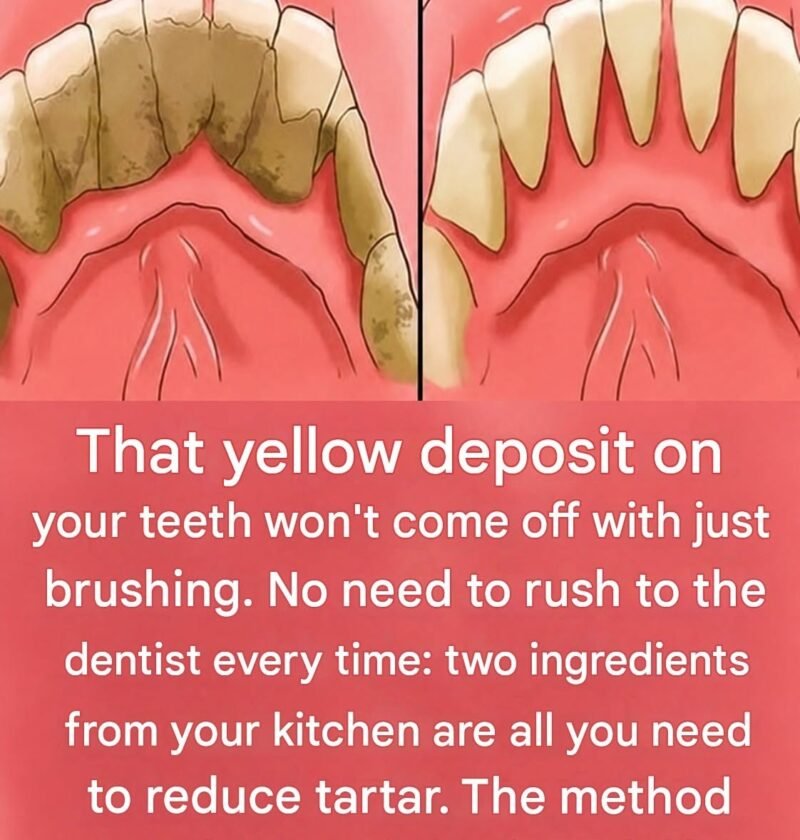
* **It is rock-hard:** Plaque is a soft, sticky film of bacteria, but when it mixes with minerals in your saliva, it calcifies into **tartar**. Tartar bonds so tightly to tooth enamel that no amount of standard brushing, flossing, or home remedies can break it loose.
* **The Danger of DIY Scraping Tools:** Using metal dental scalers or sharp picks on yourself without professional training is extremely hazardous:
* **Enamel Damage:** You can easily scratch, gouge, or crack your tooth enamel, creating rough spots where plaque accumulates even faster.
* **Gum Injury:** It is very easy to slip and slice your gum tissue, leading to pain, heavy bleeding, and infection.
* **Pushing Bacteria Deeper:** Improper scraping can force bacteria and tartar fragments *beneath* the gumline, accelerating gum disease.
* **The Risk of Acidic Remedies:** Internet trends suggesting lemon juice, vinegar, or harsh abrasive concoctions to “dissolve” tartar are dangerous. These acids erode and weaken your tooth enamel, making your teeth vastly more vulnerable to cavities, decay, and extreme sensitivity.
—
### What You *Can* Do at Home: Prevention & Plaque Control
While you cannot remove *existing* tartar at home, you can take powerful steps to stop new plaque from turning into tartar and keep your current buildup from getting worse.
* **Upgrade Your Brushing Routine:** Brush twice a day for a full two minutes using a soft-bristled or electric toothbrush. Angle the bristles toward the gumline to sweep away soft plaque before it can harden.
* **Use Tartar-Control Toothpaste:** Look for toothpastes containing ingredients like pyrophosphates or zinc citrate. While they cannot dissolve tartar that is already there, they help inhibit minerals from binding to plaque and forming new calculus.
* **Floss Daily:** Plaque loves to hide between teeth where your toothbrush can’t reach. Daily flossing (or using a water flosser) disrupts plaque in these tight spaces.
* **Use an Antiseptic Mouthwash:** Swishing with an antimicrobial or antibacterial mouthwash helps reduce the overall load of plaque-causing bacteria in your mouth.
* **Stay Hydrated:** Drinking plenty of water throughout the day helps wash away food particles and stimulates saliva, which naturally protects your teeth.
—
### When to See a Professional
The only safe and effective way to remove hardened tartar is through a professional scaling procedure performed by a dentist or dental hygienist using specialized ultrasonic and hand instruments.
If you notice hard, rough, yellowish or brownish deposits behind your teeth (especially near the lower front teeth) or along your gumline, the best thing you can do for your smile is to schedule a routine dental cleaning.
Would you like tips on how to talk to your dentist about gum sensitivity or finding a local cleaning schedule that fits your needs?