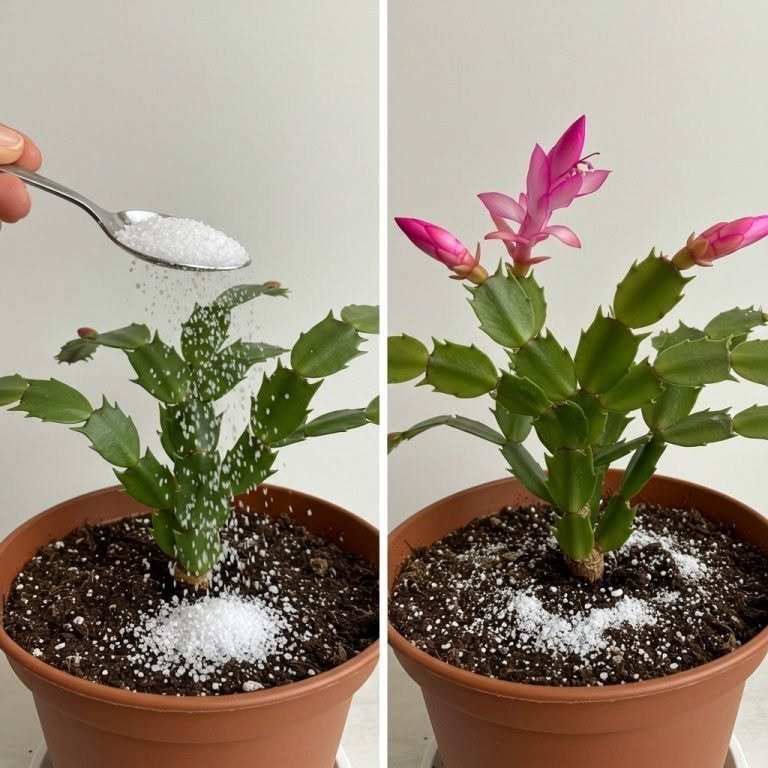
When viral gardening headlines promise a “little secret” to trigger a “fall awakening” and force indoor flowers or houseplants into heavy autumn blooms, they are usually tapping into a mix of seasonal biology and old-school gardening lore.
While no single kitchen secret can magically force a tired plant into continuous bloom without proper environmental cues, autumn is a pivotal turning point for indoor and container flowers.
The Reality Behind “Fall Awakening” Secrets
Viral posts sharing quick-fix tonics (like diluted coffee, eggshell water, or Epsom salt) often claim to shock plants into sudden life. While these kitchen amendments provide minor trace elements, what plants actually need during the shift from summer to autumn isn’t a random shock—it’s an adjustment to changing daylight and temperature.
If indoor flowering plants (like African violets, peace lilies, or holiday cacti) seem stuck or sluggish as the weather cools, unlocking a true seasonal “awakening” depends on managing three real biological triggers:
-
Compensating for Shorter Days (Light Shift):
-
As autumn sets in, natural light levels drop significantly. Flowering plants require much more energy than green foliage plants.
-
The Fix: Move your flowering houseplants closer to south- or east-facing windows to maximize every hour of available sunlight. If your home is dim, wiping dust off the leaves makes a dramatic difference in how much light they can absorb.
-
-
Mimicking Natural Temperature Drops:
-
Many indoor bloomers initiate flower buds because they sense the transition from warm days to crisp, cooler nights.
-
The Fix: Allowing a mild, natural drop in room temperature at night (around 55°F to 60°F / 13°C to 15°C) signals to plants like Christmas cacti or orchids that it is time to transition from vegetative growth to blooming.
-
-
Adjusting the Fertilizer Strategy:
-
Heavy summer feeding should taper off as plants slow down, but seasonal bloomers getting adequate light may need a specialized, low-dose fertilizer high in phosphorus (the nutrient responsible for root and flower development) rather than nitrogen (which only pushes green leaves).
-
Managing Expectations: Rest vs. Bloom
It is also worth noting that many plants are biologically programmed to slow down or enter a resting phase as winter approaches. Forcing a plant that naturally wants to rest can stress it out, leading to leaf drop or root burn.