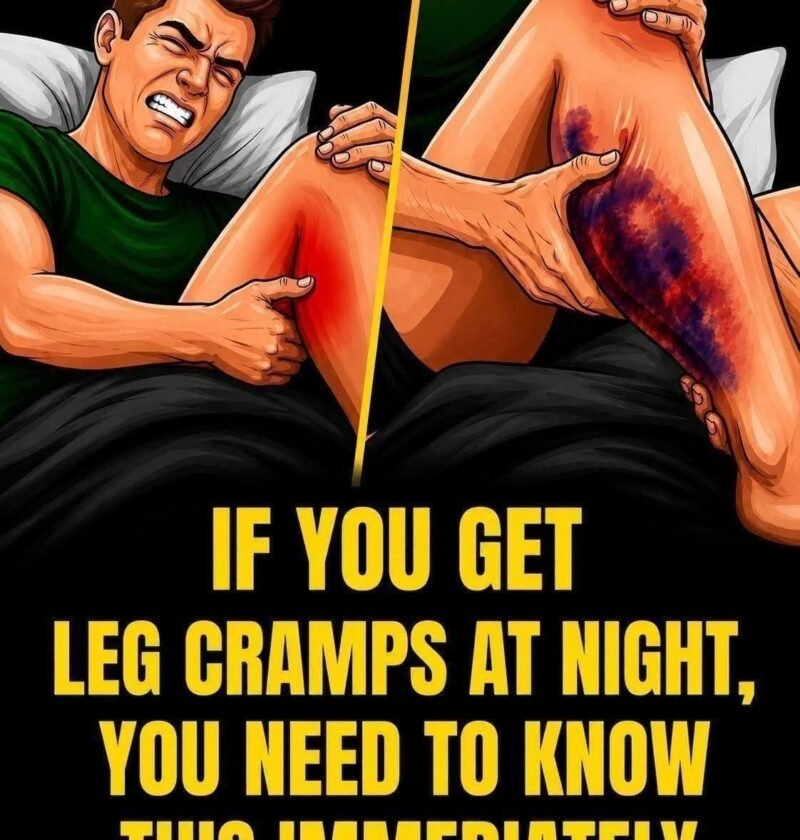
Waking up to a sudden, agonizing knot in your calf or foot in the middle of the night is an unmistakable kind of shock. While nocturnal leg cramps are exceptionally common—particularly as we age—dismissing them as just an annoying quirk of sleep can mean missing important signals your body is sending.
What Actually Causes Nighttime Leg Cramps?
Most of the time, nocturnal leg cramps are idiopathic, meaning they happen without a clearly identifiable disease. They occur when a muscle contracts forcefully and refuses to relax. Common triggers include:
-
Muscle Fatigue and Overuse: Strenuous exercise, prolonged standing, or unaccustomed physical activity during the day can leave muscles overworked and prone to seizing up at rest.
-
Dehydration and Electrolyte Shifts: Low levels of key minerals like potassium, magnesium, or calcium can disrupt normal nerve-to-muscle signaling.
-
Prolonged Immobility or Poor Posture: Sitting for long hours or sleeping with your feet pointed downward for an extended period shortens the calf muscles, making them vulnerable to sudden spasms.
-
Circulatory or Nerve Factors: Reduced blood flow to the legs or mild nerve compression can also play a role.
When to Pay Closer Attention (Red Flags)
While most night cramps are entirely harmless (though painful), you should not ignore them if they are accompanied by other symptoms. Consult a healthcare provider if your cramps:
-
Occur frequently or disrupt your sleep every single night.
-
Are accompanied by significant swelling, redness, warmth, or skin color changes in the leg.
-
Happen alongside muscle weakness or noticeable muscle shrinkage.
-
Follow the introduction of a new prescription medication (as certain drugs, including some diuretics and statins, can list muscle cramps as a side effect).
Immediate Relief and Prevention Strategies
-
When a Cramp Hits: Gently stretch the muscle immediately. If your calf is cramping, straighten your leg, flex your foot upward (pulling your toes toward your shins), or walk around gently. Massaging the area or applying a warm towel or heating pad can also help the muscle release.
-
Hydrate Consistently: Ensure you are drinking enough fluids throughout the day, especially if you are active or live in a warm climate.
-
Incorporate Daily Stretching: Simple calf stretches before bed can lengthen the muscle fibers and significantly reduce the likelihood of a midnight spasm.