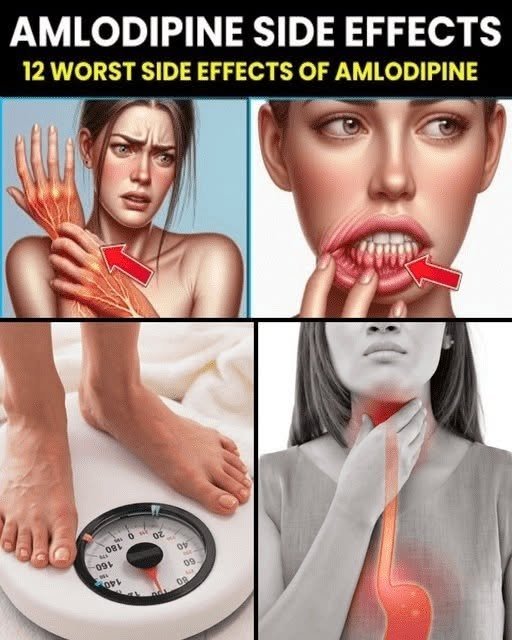
Amlodipine (commonly known by brand names like Norvasc) is a widely prescribed calcium channel blocker used to manage high blood pressure and coronary artery disease. By relaxing and widening your blood vessels, it makes it easier for your heart to pump blood.
While it is generally well-tolerated, it can cause a range of side effects—some of which are mild and adjustment-related, while others require prompt medical evaluation. Here are key side effects and clinical warnings associated with amlodipine:
Common and Quality-of-Life Side Effects
-
Peripheral Edema (Lower Extremity Swelling)
-
What it looks like: Noticeable puffiness, swelling in the ankles, feet, or lower legs, and sometimes unexpected weight gain.
-
Why it happens: Amlodipine dilates the arterial blood vessels more than the venous vessels, creating pressure changes that cause fluid to leak out into surrounding tissues. (Note: Unlike swelling caused by heart failure, this type of edema is typically caused by localized capillary pressure and generally does not respond well to standard diuretic “water pills”).
-
-
Dizziness or Lightheadedness
-
What it looks like: Feeling unsteady, particularly when standing up quickly from a sitting or lying position.
-
Why it happens: As your blood pressure adjusts downward, there can be a brief lag in blood flow regulation to the brain.
-
-
Flushing and Warmth
-
What it looks like: Sudden redness, a flushed feeling in the face, neck, or chest, or a warm sensation on the skin.
-
Why it happens: The direct result of peripheral blood vessels widening near the surface of the skin.
-
-
Heart Palpitations
-
What it looks like: A sensation of a pounding, racing, or fluttering heartbeat in your chest.
-
Why it happens: The body’s natural compensatory reflexes can occasionally trigger a slightly more noticeable or rapid heartbeat as blood vessels expand.
-
-
Fatigue and Somnolence (Drowsiness)
-
What it looks like: Feeling persistently tired, sluggish, or unusually sleepy during the day.
-
Why it happens: Lowering blood pressure changes overall systemic perfusion, which can manifest as generalized fatigue while the body adapts.
-
-
Headaches
-
What it looks like: Mild to moderate throbbing headaches, especially during the first few weeks of starting the medication or following a dose increase.
-
Why it happens: The rapid dilation of blood vessels inside the head and surrounding structures.
-
-
Nausea and Abdominal Discomfort
-
What it looks like: Mild stomach upset, nausea, or abdominal cramping.
-
Why it happens: Gastrointestinal sensitivity to vascular changes or direct irritation from the medication.
-
More Serious or Clinical Warnings Not to Ignore
-
Worsening Chest Pain (Angina) or Heart Attack Risk
-
When to worry: If you experience a sudden increase in chest pain, or if pain spreads to your jaw, neck, or arm shortly after starting amlodipine or having your dose increased.
-
Why it happens: In rare cases, particularly in patients with severe obstructive coronary artery disease, changes in blood pressure dynamics can temporarily compromise blood flow to the heart muscle. Seek immediate emergency care for severe chest pain.
-
-
Severe Hypotension (Dangerously Low Blood Pressure)
-
When to worry: Fainting spells, profound confusion, extreme dizziness, or cold, clammy skin.
-
Why it happens: An excessive drop in systemic blood pressure, which can impair blood flow to vital organs.
-
-
Shortness of Breath or Pulmonary Congestion
-
When to worry: New or worsening shortness of breath, especially when lying flat or during light exertion.
-
Why it happens: Can indicate underlying cardiac strain or fluid backing up into the lungs, particularly for individuals with pre-existing heart failure.
-
-
Gingival Hyperplasia (Gum Overgrowth)
-
What it looks like: Swelling, tenderness, or overgrowth of the gum tissue around your teeth.
-
Why it happens: Calcium channel blockers can occasionally stimulate gum tissue growth over long-term use, requiring meticulous dental hygiene and professional monitoring.
-
-
Allergic Reactions and Skin Manifestations
-
What it looks like: Hives, severe skin rashes, swelling of the face, lips, or tongue, or difficulty breathing.
-
Why it happens: Hypersensitivity to the medication compounds, which constitutes a medical emergency.
-
Managing Side Effects Safely
If you experience persistent side effects like ankle swelling or mild fatigue, never stop taking amlodipine abruptly, as doing so can cause a dangerous rebound spike in blood pressure. Instead, consult your prescribing physician or cardiologist. They can evaluate whether adjusting your dosage, shifting the time of day you take it, or combining it with another class of medication can help minimize discomfort while keeping your cardiovascular health protected.