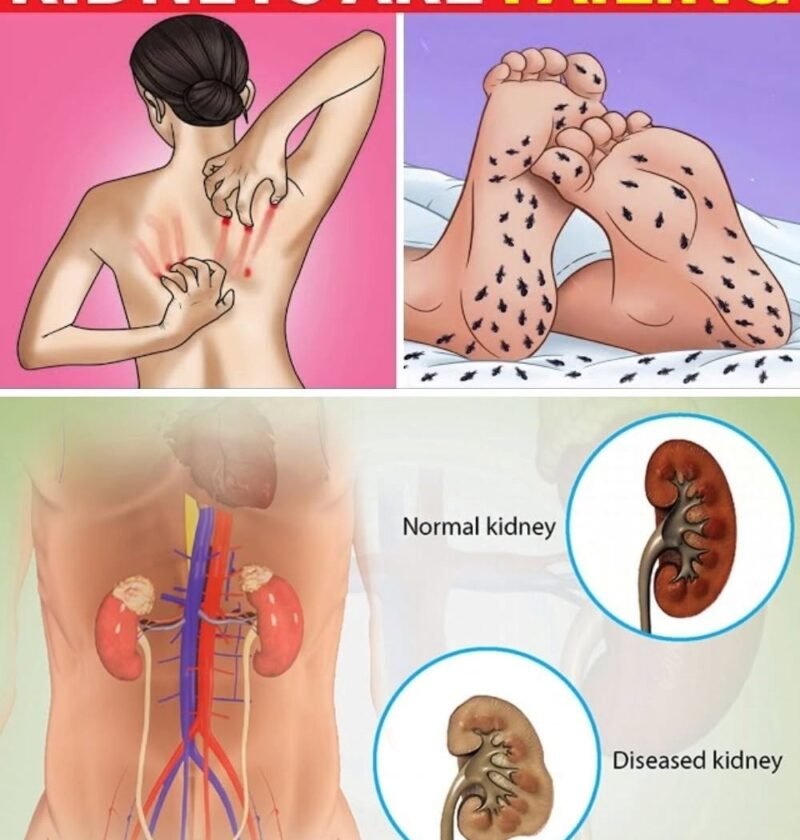
Sensationalized health articles often use alarmist titles like “13 Alarming Signs…” to create panic and drive clicks. While chronic kidney disease (CKD) is a serious condition that requires medical attention, early-stage kidney disease is notoriously quiet and rarely causes dramatic, sudden symptoms.
Understanding how the kidneys function and recognizing legitimate clinical signs helps separate fear-mongering from actual health awareness.
Why Early Kidney Disease is “Silent”
The kidneys have a remarkable reserve capacity and can lose a significant portion of their function before noticeable symptoms appear. When symptoms do eventually develop, they typically occur in more advanced stages of kidney damage.
Key Clinical Signs of Advanced Kidney Disease
When kidney function declines significantly, it impacts fluid balance, waste filtration, and electrolyte regulation, which can manifest as:
-
Fluid Retention (Edema): Decreased kidney function can lead to a buildup of sodium and fluid, causing swelling in the feet, ankles, legs, or hands.
-
Changes in Urination: Noticeable shifts can include foamy urine (indicating protein leakage, or proteinuria), blood in the urine, getting up multiple times during the night to urinate (nocturia), or decreased urine output.
-
Persistent Fatigue: Healthy kidneys produce a hormone called erythropoietin (EPO), which tells the body to make red blood cells. When kidneys are damaged, EPO drops, leading to anemia, chronic tiredness, and weakness.
-
Skin Issues: A buildup of waste products in the blood (uremia) can cause severe, persistent itching and dry skin.
-
Electrolyte Imbalances: Changes in calcium, phosphorus, and potassium levels can lead to muscle cramps, nausea, vomiting, or loss of appetite.
-
Shortness of Breath: Fluid buildup around the lungs or anemia can make breathing difficult.
Who Is Actually at Risk?
Instead of looking for random warning signs, clinicians look at established risk factors. You are at a higher risk of developing CKD if you have:
-
Diabetes: The leading cause of kidney disease.
-
High Blood Pressure (Hypertension): The second leading cause, which damages the delicate blood vessels in the kidneys.
-
Cardiovascular Disease: Heart health and kidney health are deeply interconnected.
-
Family History: A genetic predisposition to kidney disease.
-
Age: Risk increases as we get older due to natural cumulative wear on blood vessels.
How Kidney Health Is Monitored
Because early CKD has no symptoms, routine screening is essential—especially for individuals with diabetes or high blood pressure. Doctors check kidney health using two simple tests:
-
eGFR (Blood Test): Estimates how well your kidneys are filtering waste based on creatinine levels.
-
Urine Albumin-to-Creatinine Ratio (ACR): Checks for protein (albumin) leaking into the urine, which is often the earliest sign of kidney stress.
Are you looking at kidney health due to a specific lab result, or do you have risk factors like high blood pressure or diabetes that you are managing?