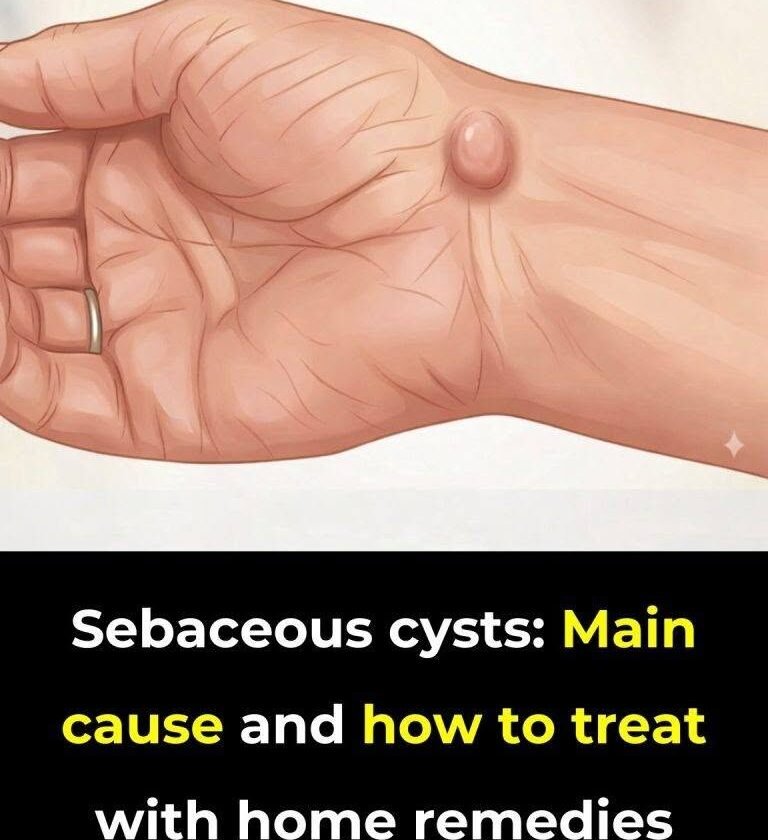
When a small, smooth lump pops up under the skin—often on the face, neck, back, or scalp—it is frequently labeled as a sebaceous cyst online. However, dermatologists are often quick to point out a common naming confusion: true sebaceous cysts are actually quite rare, and the vast majority of these bumps are technically epidermoid cysts or pilar cysts.
Regardless of what they are called, these benign, slow-growing lumps can be frustrating. Understanding what causes them—and what you should (and shouldn’t) try at home—can save you from a nasty infection or permanent scarring.
What Causes These Cysts?
Unlike pimples, which form when a pore gets clogged with oil and bacteria near the surface, these cysts develop deeper beneath the skin in the hair follicles.
-
Protein Buildup: Epidermoid cysts form when keratin—a tough, protective protein that makes up your skin, hair, and nails—gets trapped beneath the surface instead of shedding normally.
-
Follicle Damage: Blocked sebaceous glands, minor skin trauma, scratches, or surgical wounds can disrupt the normal structure of a hair follicle, creating a pouch (sac) that fills up with a thick, cheese-like keratin paste over time.
Can You Treat Them with Home Remedies?
If you scroll through wellness blogs, you will find countless home remedies promising to “dissolve” or “draw out” cysts using apple cider vinegar, tea tree oil, castor oil, or drawing salves.
-
The Medical Reality: Because a cyst is enclosed in a protective wall (sac) beneath the skin, topical home remedies cannot cure or shrink it. Oils and salves might soothe the surface skin temporarily, but they cannot penetrate the sac to dissolve the trapped keratin inside.
-
The Danger of “Popping”: Trying to squeeze, pop, or lance a cyst at home is one of the worst things you can do. Squeezing often ruptures the sac internally, pushing the foul-smelling keratin deep into the surrounding tissue. This triggers a severe inflammatory immune response, turning a painless, quiet bump into a hot, swollen, painful abscess that may require antibiotics or surgical drainage.
Safe Home Care (For Mild, Painless Bumps)
If you have a small, confirmed cyst that isn’t bothering you, doctors often recommend leaving it completely alone. However, if it feels slightly tender or irritated, you can manage minor discomfort safely:
-
Warm Compresses: Applying a clean washcloth soaked in warm water to the area for 10 to 15 minutes a few times a day can help soothe inflammation and encourage a blocked duct to open naturally if it’s close to the surface.
-
Keep It Clean: Wash the area gently with mild soap and water. Never scrub or pick at it.
When to See a Doctor
While these cysts are completely benign (non-cancerous), you should consult a primary care doctor or dermatologist if:
-
The cyst becomes red, hot, swollen, or increasingly painful (signs of infection).
-
It grows rapidly or is in an awkward area where it constantly rubs against clothing or glasses.
-
It starts draining foul-smelling, cheesy material.
If a cyst is persistently inflamed or infected, a doctor can easily drain it or perform a quick, minor in-office procedure to remove the entire sac wall. Removing the wall is the only way to ensure the cyst won’t eventually return.
Have you recently noticed a new skin bump, or are you trying to figure out how to safely manage a stubborn cyst that’s been bothering you