🦴 5 drinks to limit if you’re concerned about bone health
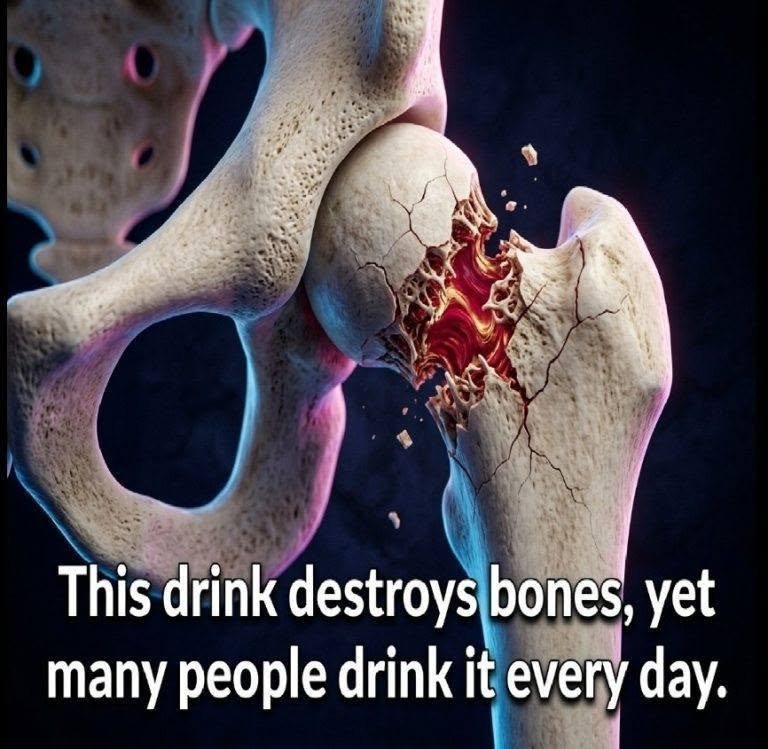
The headline “the five most harmful drinks for your bones” is somewhat misleading. There isn’t a universally accepted list of five drinks that directly damage everyone’s bones. What matters more is overall diet, calcium/vitamin D intake, alcohol consumption, and the amount of sugary or caffeinated drinks you consume.
1. Cola and other sugary soft drinks
Frequent cola consumption has been associated in some studies with lower bone mineral density, particularly in women. It’s not clear that carbonation itself is responsible. Replacing nutritious drinks with large amounts of soda may also reduce overall diet quality.
2. Heavy alcohol consumption
Excessive alcohol can interfere with bone formation and calcium regulation and increases the risk of falls and fractures. This is one of the clearest beverage-related concerns for bone health.
3. Energy drinks
These can contain substantial amounts of caffeine and added sugar. Regular heavy consumption may be undesirable for bone health, particularly if they replace milk or other nutritious beverages.
4. Large amounts of caffeinated beverages
Moderate coffee or tea consumption isn’t generally considered harmful to bones. Very high caffeine intake can modestly increase calcium losses, especially when dietary calcium intake is inadequate.
5. Highly sugary drinks
Sweetened iced tea, fruit drinks, sports drinks and similar beverages can add substantial sugar without providing much calcium or protein. Keeping them occasional is generally a better choice.
🥛 What should you drink instead?
For most people, water is the best everyday choice. Depending on your diet and medical needs, milk or a calcium- and vitamin-D-fortified alternative can also contribute useful nutrients.
And remember: strong bones aren’t created by avoiding one particular drink. Adequate calcium, vitamin D, protein, weight-bearing exercise and resistance training all matter.
At 83, preventing falls is particularly important because falls are a major cause of fractures in older adults. If you have osteoporosis, a previous fracture, or concerns about bone density, speak with your doctor about whether you need a bone-density test and individualized calcium/vitamin D advice.