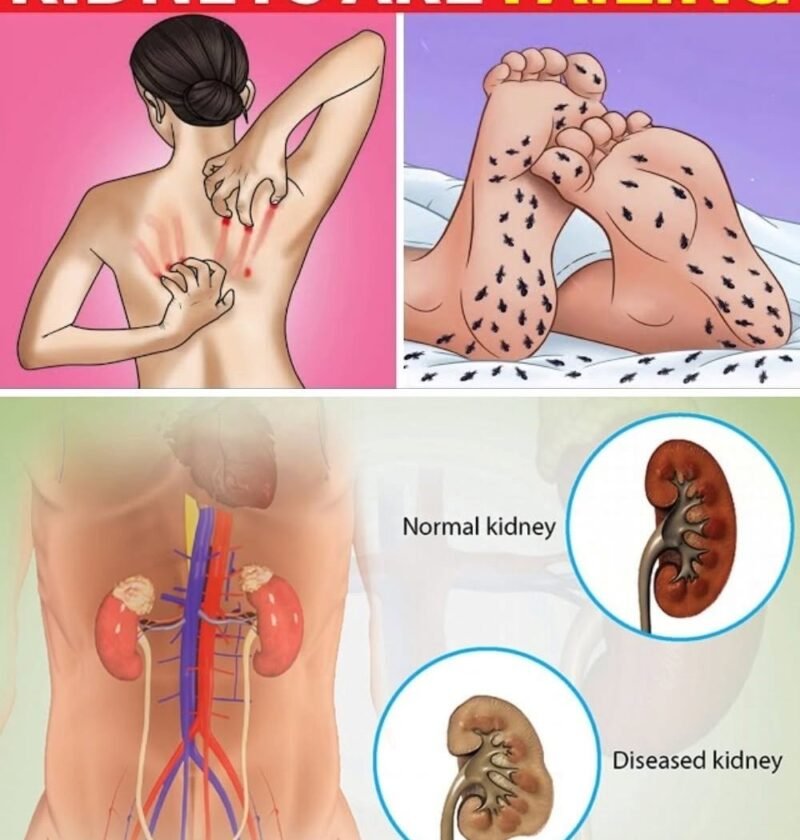
Chronic Kidney Disease (CKD) is often called a “silent condition” because it can develop slowly over years without obvious symptoms in its early stages. By the time physical warning signs appear, significant kidney damage may have already occurred.
Here are 13 alarming signs that your kidneys may be struggling to filter waste and excess fluid from your body:
1. Changes in Urination Frequency (Especially at Night)
If you find yourself waking up multiple times during the night to urinate (nocturia), or if you notice a sudden increase or decrease in the amount of urine you produce, it can indicate that your kidneys’ filtering units (nephrons) are damaged.
2. Foamy or Bubbly Urine
Excessive bubbles in the urine—resembling scrambled eggs—often point to proteinuria (protein leaking into the urine). Healthy kidneys keep proteins inside your body, while damaged filters allow them to pass through.
3. Blood in the Urine
When kidney filters are damaged, red blood cells can start “leaking” into the urine. While blood can be caused by urinary tract infections or kidney stones, unexplained hematuria should always be evaluated to rule out kidney disease.
4. Swelling (Edema) in Your Feet, Ankles, or Hands
Failing kidneys cannot remove extra sodium and fluid efficiently. This fluid retention leads to swelling in your lower extremities, ankles, feet, or even your hands and face.
5. Persistent Fatigue and Low Energy
Healthy kidneys produce a hormone called erythropoietin (EPO), which tells your body to make oxygen-carrying red blood cells. When kidney function drops, EPO production falls, leading to anemia, chronic fatigue, and generalized weakness.
6. Severe Itchy and Dry Skin
Kidneys maintain the right balance of minerals and nutrients in your blood. When CKD causes an imbalance of phosphorus and calcium, it can lead to mineral and bone disorder, resulting in deep, persistent, and uncomfortable skin itching.
7. Puffy Eyes (Periorbital Edema)
Puffiness around your eyes—particularly in the morning—is another classic sign of protein leaking into the urine, which causes your body tissues to retain fluid.
8. Muscle Cramps
As touched on earlier, fluid and electrolyte imbalances—such as low calcium, low magnesium, or poorly controlled phosphorus levels resulting from impaired kidney function—frequently trigger painful muscle cramps in the legs and feet at night.
9. Metallic Taste in the Mouth or Ammonia Breath (Uremia)
A buildup of waste products in the blood (a condition called uremia) can change how food tastes, cause chronic bad breath, or create a persistent metallic taste. Many people with advanced CKD lose their appetite for meat because of this.
10. Shortness of Breath
Fluid overload can cause fluid to back up into the lungs, making it difficult to breathe even with light activity. Additionally, the anemia associated with kidney disease starves the body of oxygen, leaving you winded quickly.
11. High Blood Pressure (Hypertension)
The kidneys play a direct role in regulating blood pressure. Kidney damage can cause hypertension, and conversely, uncontrolled high blood pressure is one of the leading causes of kidney destruction. It’s a dangerous two-way street.
12. Trouble Sleeping (Insomnia)
Between chronic itching, nighttime leg cramps, frequent bathroom trips, and discomfort from fluid buildup, individuals with advancing kidney disease often struggle to get restorative, uninterrupted sleep.
13. Brain Fog and Difficulty Concentrating
Severe anemia and the buildup of uremic toxins in the bloodstream can affect brain function, leading to memory issues, difficulty focusing, and feeling mentally sluggish.
Who Is Most at Risk?
The two leading causes of chronic kidney disease are type 2 diabetes and high blood pressure. Other major risk factors include cardiovascular disease, obesity, a family history of kidney failure, and being over the age of 60.
When to See a Doctor
Because CKD progresses silently, routine blood and urine tests are the best way to catch it early. Your doctor can easily check your kidney health using two simple tests:
-
eGFR (Estimated Glomerular Filtration Rate): A blood test measuring how well your kidneys are filtering.
-
Urine Albumin-to-Creatinine Ratio (uACR): A urine test checking for protein leakage.
If you are experiencing persistent fatigue, swelling, or changes in urination, schedule a routine checkup with your primary care physician to test your kidney function.