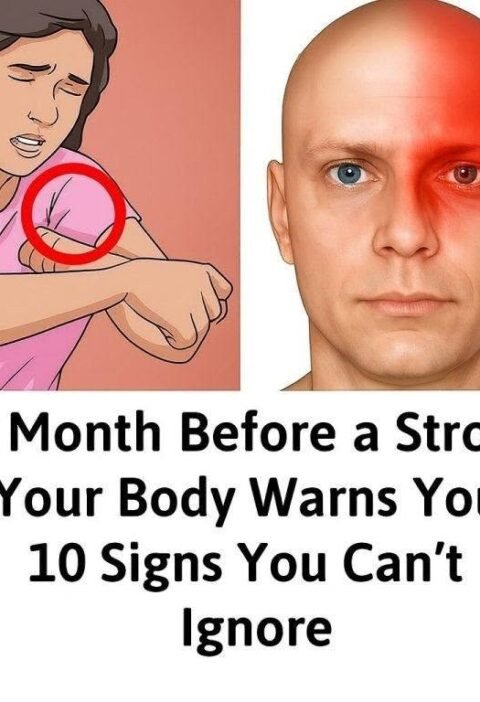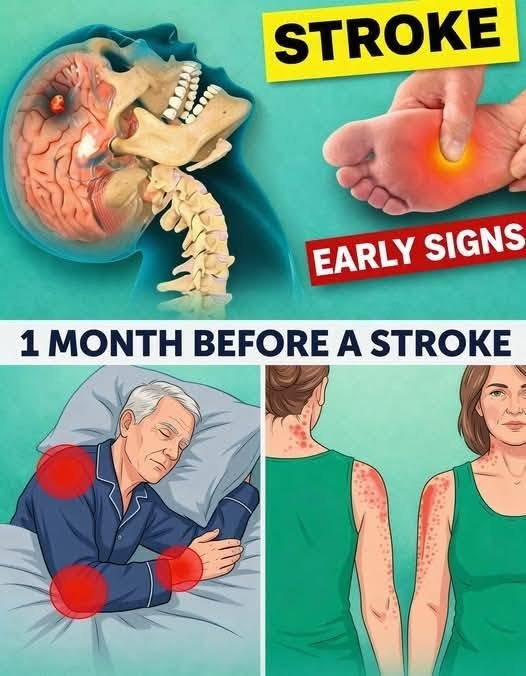
While strokes are typically sudden, acute medical events, some individuals experience subtle warning signs—often related to a Transient Ischemic Attack (TIA), commonly called a “mini-stroke”—weeks or even a month beforehand. Recognizing these signals and adopting protective lifestyle habits can dramatically reduce your risk.
Part 1: Early Warning Signs That Can Appear Before a Stroke
Note: While full strokes happen abruptly, temporary or recurring neurological symptoms in the weeks prior should never be ignored.
-
Intermittent Numbness or Weakness: Mild, transient tingling or a feeling of heaviness in the face, arm, or leg—usually restricted to one side of the body—that comes and goes.
-
Fleeting Speech Difficulties: Brief episodes of slurred speech, trouble finding the right words, or difficulty understanding conversations.
-
Transient Vision Changes: Temporary blurring, double vision, or brief loss of sight in one eye caused by restricted blood flow to the visual centers.
-
Unexplained Dizziness and Balance Issues: Sudden bouts of vertigo, feeling lightheaded, or unsteadiness while walking that resolve on their own.
-
Persistent or Uncharacteristic Headaches: Sudden, severe headaches that differ from your usual pattern, especially if accompanied by dizziness or confusion.
-
Unusual Fatigue and Mental Fog: Overwhelming, unexplained tiredness or difficulty concentrating even after adequate rest, as the brain struggles with sub-optimal blood supply.
-
Subtle Memory or Cognitive Lapses: Brief confusion or trouble following simple tasks and conversations.
-
Mood or Behavioral Shifts: Sudden, unexplained irritability, anxiety, or emotional instability.
Crucial Medical Note: If you or someone around you experiences sudden neurological symptoms—even if they disappear after a few minutes—it may be a TIA. A TIA is a major red flag indicating a significantly heightened risk of a full stroke in the near future. Always seek urgent medical evaluation.
Part 2: 9 Powerful Tips to Prevent a Stroke
-
Manage Your Blood Pressure: Hypertension is the single leading cause of stroke. Monitor your blood pressure regularly and work with your physician to keep it within a healthy range.
-
Keep Blood Sugar in Check: Diabetes damages blood vessels over time and increases the likelihood of blood clots. Maintain stable glucose levels through diet, exercise, and medication if prescribed.
-
Control Cholesterol Levels: High LDL (“bad”) cholesterol contributes to plaque buildup in your arteries. A diet low in saturated fats and regular lipid panels can help keep your arteries clear.
-
Eat a Heart-Healthy Diet: Focus on fiber-rich whole grains, leafy greens, berries, lean proteins, and healthy fats (like olive oil and fish) while strictly limiting sodium intake.
-
Exercise Consistently: Aim for at least 30 minutes of moderate physical activity (such as brisk walking, swimming, or cycling) most days of the week to improve circulation and cardiovascular health.
-
Quit Smoking and Limit Alcohol: Smoking drastically narrows arteries and thickens blood, while excessive alcohol raises blood pressure and weakens blood vessels.
-
Treat Heart Conditions (like Atrial Fibrillation): Irregular heart rhythms can cause blood clots to form in the heart and travel to the brain. If you have an arrhythmia, follow your cardiologist’s management plan closely.
-
Maintain a Healthy Weight: Reducing excess body weight takes a massive strain off your heart and lowers your overall risk of hypertension and diabetes.
-
Learn the B.E. F.A.S.T. Acronym: Knowing how to spot an active stroke saves lives:
-
Balance loss
-
Eye (vision) changes
-
Face drooping
-
Arm weakness
-
Speech difficulty
-
Time to call emergency services immediately.
-
Are you looking into stroke prevention for yourself or a loved one, or is there a specific risk factor (like high blood pressure) you are currently trying to manage?