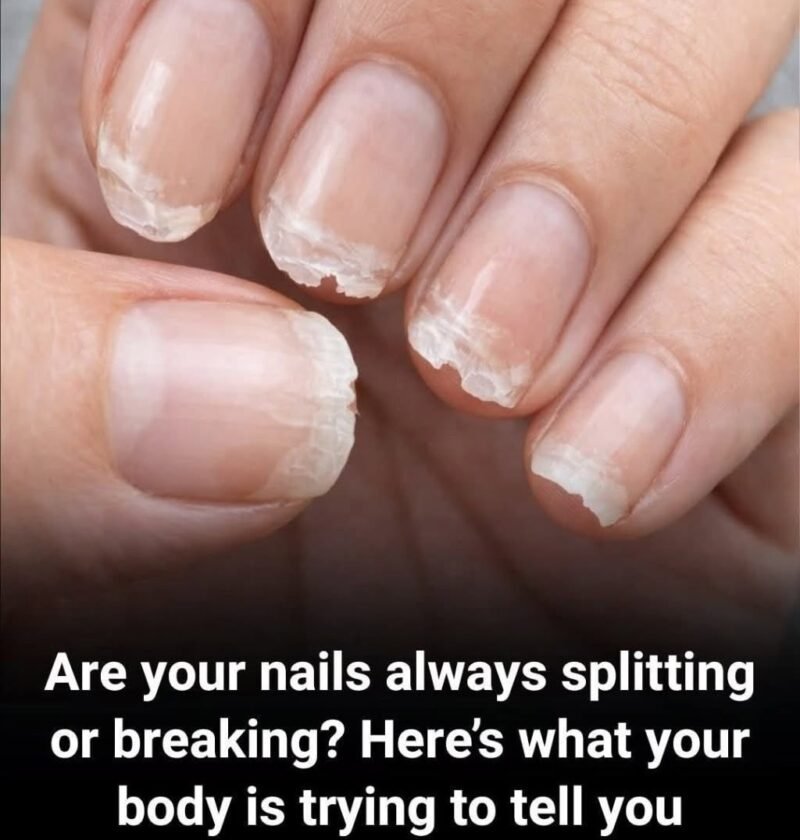
Weak or brittle nails are more than just a cosmetic frustration—they are often your body’s way of communicating that something is going on beneath the surface, whether related to your nutrition, daily habits, or overall health.
When nails split, peel, break easily, or develop unusual textures, understanding the root cause is the first step toward getting them strong again.
Common Nutritional Deficiencies
Nails are made of a tough protein called keratin. To produce strong keratin, your body needs a steady supply of specific building blocks:
-
Biotin (Vitamin B7): One of the most well-known nutrients for nail health. A biotin deficiency can lead to thinning, fragile nails that split or peel easily.
-
Iron: Low iron levels (or iron-deficiency anemia) reduce oxygen delivery to your tissues, including your nail beds. This can cause nails to become brittle, thin, or even take on a concave, “spoon-shaped” appearance (koilonychia).
-
Protein: Because nails are entirely protein, a diet chronically low in protein can severely compromise nail strength and growth rate.
-
Zinc & Calcium: Zinc is essential for cell growth and protein synthesis, while calcium supports overall structural integrity. Deficiencies in either can show up as weak nails or white spots.
Lifestyle and Environmental Factors
External habits often play an even bigger role in weak nails than internal health:
-
Frequent Water Exposure & Harsh Chemicals: Constantly washing your hands, swimming, or doing dishes without gloves causes nails to absorb water and swell, then dry out and shrink. This repeated expansion and contraction breaks down the keratin bonds, leading to peeling and splitting.
-
Harsh Nail Products: Frequent use of acetone-based nail polish removers, low-quality polishes, acrylics, or gel manicures—especially improper removal techniques that scrape the natural nail surface—can strip nails of their natural oils and protective layers.
-
Harsh Weather: Dry winter air and indoor heating zap moisture from both skin and nails, making brittleness much more common during colder months.
Underlying Health Conditions
Sometimes, persistently brittle or weak nails point to an internal medical condition that requires attention:
-
Thyroid Disorders: Both an underactive thyroid (hypothyroidism) and an overactive thyroid (hyperthyroidism) can disrupt your body’s metabolism and cell turnover, slowing nail growth and causing them to dry out, split, or become brittle.
-
Fungal Infections: A fungal nail infection (onychomycosis) can cause nails to become thick, brittle, discolored, or crumbly, often starting at the edge of the nail.
-
Autoimmune Conditions: Conditions like alopecia areata or psoriasis frequently manifest changes in the nail beds, including pitting, splitting, or abnormal thickening.
How to Support and Strengthen Your Nails
-
Hydrate from Inside and Out: Drink plenty of water and apply a thick hand and nail cream or cuticle oil (containing ingredients like jojoba oil, vitamin E, or shea butter) multiple times a day—especially after handwashing.
-
Protect Your Hands: Wear rubber or nitrile gloves when cleaning with harsh chemicals, doing dishes, or gardening.
-
Be Gentle with Removals: Switch to an acetone-free nail polish remover and give your nails regular “breathing room” between heavy manicures.
-
Focus on Balanced Nutrition: Ensure your diet includes lean proteins, healthy fats, and a colorful array of fruits and vegetables rich in vitamins and minerals.
If your brittle nails do not improve with better care and nutrition—or if they are accompanied by pain, swelling, discoloration, or separation from the nail bed—it is a good idea to consult a doctor or dermatologist to check for underlying health or nutritional issues.