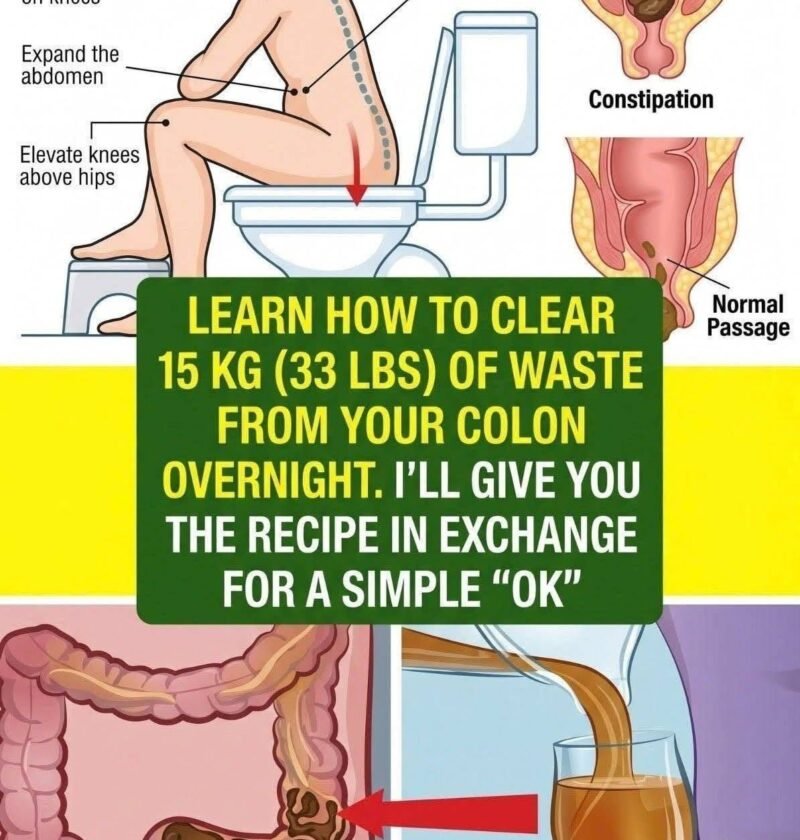
The claim that you can “cleanse your colon with just two ingredients”—typically a viral recipe involving a mix of lemon juice, cayenne pepper, apple cider vinegar, or psyllium husk—is a staple of internet detox culture.
While these concoctions are often marketed as miraculous ways to flush out toxins and reset your digestive tract, gastroenterologists and medical professionals emphasize that your body does not need a DIY kitchen cleanse to stay clean.
The Myth of the DIY Colon Cleanse
The human body is equipped with its own sophisticated, highly efficient detoxification system:
-
The Liver and Kidneys: These organs continuously filter metabolic waste, toxins, and byproducts from your bloodstream 24 hours a day.
-
The Colon (Large Intestine): Your colon’s primary job is to absorb water and electrolytes while forming and expelling waste naturally through regular bowel movements.
There is no clinical evidence showing that drinking special two-ingredient mixtures scrapes “stuck toxins” off the intestinal walls or improves overall health. In fact, aggressive DIY cleanses or harsh herbal laxatives can disrupt your gut microbiome, strip your colon of beneficial bacteria, cause electrolyte imbalances, and lead to cramping or diarrhea.
What Actually Supports Colon Health Naturally
If your goal is to keep your digestive tract moving smoothly, reduce bloating, and support natural elimination, everyday, evidence-based habits work far better than quick-fix flixes:
-
Prioritize Soluble and Insoluble Fiber: Fiber adds bulk to your stool and keeps things moving. Incorporating foods like chia seeds, flaxseeds, leafy greens, oats, beans, and berries is the gold standard for long-term bowel regularity.
-
Stay Aggressively Hydrated: Fiber cannot do its job without water. Drinking adequate fluids throughout the day softens stool and prevents it from becoming sluggish or trapped.
-
Daily Physical Movement: Walking and physical activity stimulate peristalsis—the wave-like muscle contractions that naturally push food and waste through your digestive tract.
-
Support Your Microbiome: Eating fermented foods (like yogurt, kefir, sauerkraut, or kimchi) introduces beneficial bacteria that support a healthy gut lining and smooth digestion.
When to See a Doctor
If you feel chronically backed up, experience severe bloating, or rely on laxatives just to have a bowel movement, it is important to speak with a doctor or gastroenterologist. Chronic constipation can sometimes point to underlying issues—such as a sluggish thyroid, medication side effects, or structural concerns—that require professional medical evaluation rather than a kitchen remedy.