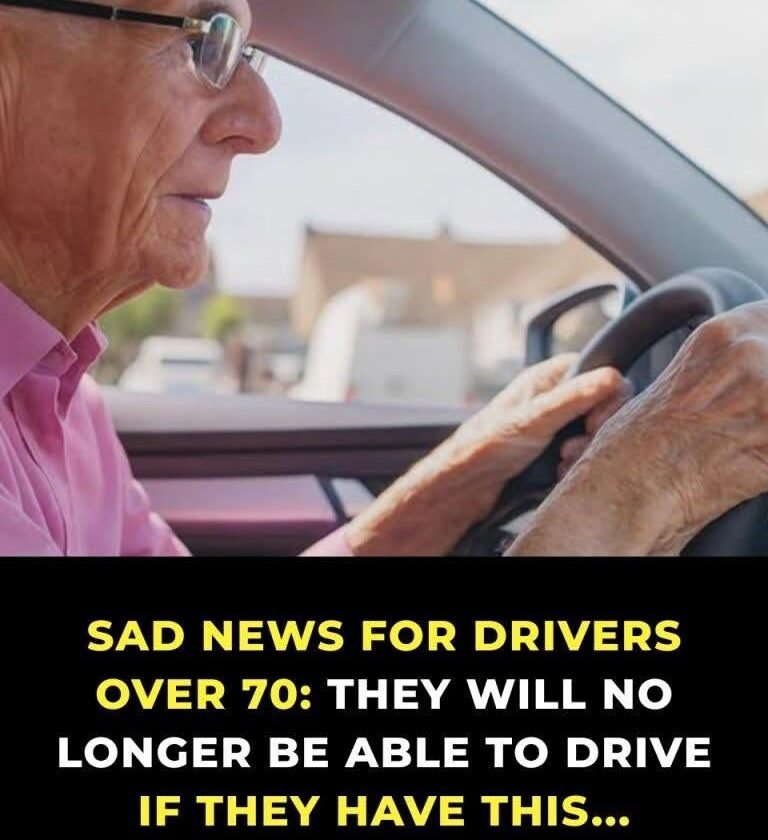
Determining when an older adult should stop driving is a deeply sensitive topic because driving represents independence, freedom, and routine. However, aging brings gradual changes in vision, reflexes, flexibility, and cognitive processing that eventually impact driving safety.
Medical experts and geriatric specialists emphasize that age alone is not a reason to stop driving. Many drivers in their 70s and 80s are safe, cautious, and capable drivers. Instead of a strict age cutoff, the decision should be guided by specific warning signs and functional abilities.
Here are the key indicators and guidelines physicians and traffic safety experts look at to determine when it is time for a driver over 70 to consider hanging up the keys:
1. Frequent “Close Calls,” Dents, and Scrapes
One of the most objective signs that driving safety is declining is physical evidence around the car.
-
What to look for: Unexplained new scratches, dents, scraped bumper corners, scuffed wheels from hitting curbs, or multiple minor fender-benders in a short period.
2. Changes in Driving Habits and Confidences
Older drivers often instinctively self-regulate when they start feeling less secure, but these adjustments can signal it’s time to stop entirely.
-
What to look for: Avoiding highway driving, refusing to drive at night or in bad weather (rain, snow), getting lost on familiar routes, or driving unusually slowly compared to surrounding traffic.
3. Medical Conditions and Medications
Certain age-related health changes directly impair the physical and mental mechanics required to operate a vehicle safely.
-
Vision and Hearing: Uncorrected cataracts, macular degeneration, glaucoma, or severe hearing loss (making it hard to hear sirens, horns, or emergency vehicles).
-
Physical Mobility: Severe arthritis in the neck or back that makes it difficult to turn around and check blind spots, or foot numbness/weakness that slows down braking response times.
-
Cognitive Changes: Early-stage dementia, Alzheimer’s disease, or noticeable declines in executive functioning and reaction time.
-
Medications: Taking prescription drugs that cause drowsiness, dizziness, or slowed reflexes.
4. Passenger Discomfort and Fear
Family members and regular passengers are often the first to notice dangerous driving habits.
-
What to look for: If passengers frequently feel anxious, hold onto the door handles, gasp, or feel compelled to “co-pilot” and warn the driver about upcoming stoplights or cars, it is a strong warning sign.
Proactive Steps for Families and Drivers
If you or an aging loved one are noticing these signs, addressing the situation proactively can prevent a dangerous accident:
-
Schedule a Professional Driving Evaluation: Occupational therapists or specialized centers (like AAA or local hospital rehab clinics) offer formal driving evaluations that test vision, reaction time, and on-road skills objectively.
-
Consult the Primary Care Physician: A doctor can perform cognitive and physical screenings (such as the Clock Drawing Test or visual acuity tests) and have an objective, medical-based conversation about driving safety.
-
Plan for Alternative Transportation: Transitioning away from driving is much smoother when alternative options are already lined up—such as ride-sharing apps, senior transit services, community volunteer drivers, or coordinating rides with family and friends