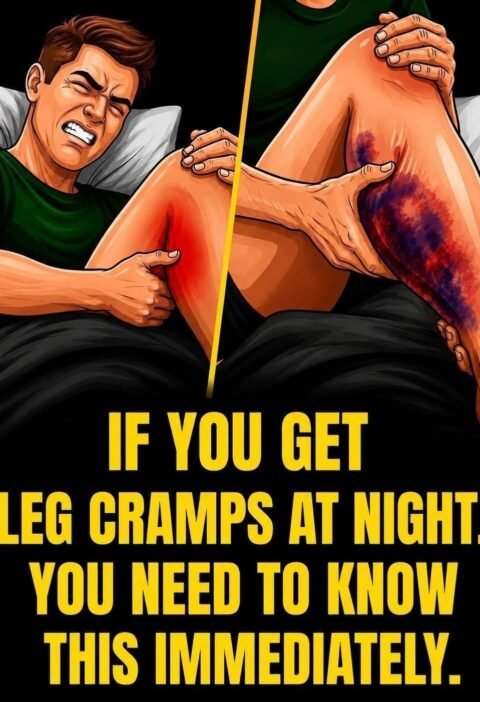
Waking up suddenly with a sharp, agonizing knot in your calf or foot is an experience many people know all too well. While nocturnal leg cramps (often called night cramps) usually last only a few minutes, they can leave behind lingering soreness and disrupt a good night’s sleep.
For the most part, they are harmless, but they shouldn’t always be brushed off as a minor annoyance. Here is what you should know about why they happen, how to find relief, and when they might be signaling something more.
Why Do Leg Cramps Happen at Night?
Most of the time, nocturnal leg cramps occur without a clear, definitive cause—often chalked up to normal muscle fatigue and nerve signaling issues as we age. However, several common triggers can set them off:
-
Muscle Fatigue & Strain: Overusing muscles during the day, long periods of standing, or sitting in awkward positions can leave muscles prone to seizing up.
-
Dehydration: Not drinking enough fluids causes muscles to lose the hydration they need to contract and relax smoothly.
-
Electrolyte Imbalances: Low levels of key minerals like potassium, magnesium, calcium, or sodium can disrupt normal muscle function.
-
Medications: Certain common medications—such as diuretics (water pills), statins (for cholesterol), and some asthma or blood pressure drugs—are frequently linked to cramping.
-
Underlying Health Conditions: Less commonly, frequent cramps can be associated with nerve issues (like peripheral neuropathy), circulatory problems, thyroid disorders, or chronic kidney disease.
Instant Relief: What to Do When a Cramp Strikes
When a sudden cramp wakes you up, swift action can shorten the pain:
-
Stretch the Muscle: If the cramp is in your calf, straighten your leg and pull your toes up toward your shin (flexing your foot).
-
Stand Up and Walk: Getting out of bed and walking around gently can help trick the muscle into relaxing.
-
Massage and Heat: Gently massage the tight knot with your hands. Applying a warm towel, heating pad, or directing a warm shower stream onto the area can also ease the tension.
Simple Ways to Prevent Them
-
Hydrate Consistently: Make sure you’re drinking enough water throughout the day.
-
Stretch Before Bed: Spend a few minutes doing gentle calf and leg stretches right before you sleep.
-
Adjust Your Bedding: Heavy blankets tucked tightly at the foot of the bed can push your toes downward, forcing your calves into a cramped position. Keep your covers loose.
When to See a Doctor
While occasional night cramps are normal, you should consult a healthcare provider if:
-
Your cramps are frequent, severe, and severely disrupting your sleep.
-
They are accompanied by significant muscle weakness, swelling, redness, or loss of muscle mass.
-
You suspect they might be linked to a new medication you’ve started.
Have you noticed any patterns to when your leg cramps happen, or are they waking you up frequently?