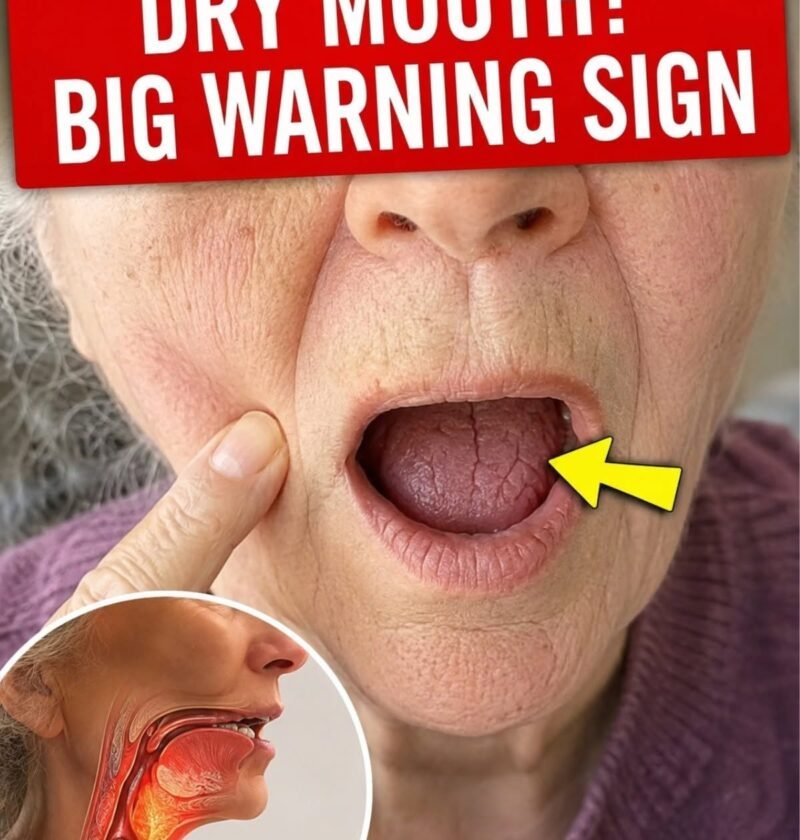
While it is easy to write off a dry mouth as a simple, unavoidable part of getting older, chronic dry mouth (xerostomia) is rarely just “normal aging”. Instead, it is usually a physical sign that your salivary glands are being chemically suppressed—most often by the medications you take.
As people age, they are more likely to manage multiple health conditions, leading to polypharmacy (taking several medications at once). Many common prescription and over-the-counter drugs have anticholinergic properties, meaning they block the chemical signals that tell your salivary glands to produce moisture.
The primary pharmaceutical culprits that cause saliva to shut down include:
Major Medication Classes That Cause Dry Mouth
-
Blood Pressure & Heart Medications: Diuretics (“water pills”) and beta-blockers or calcium channel blockers frequently cause systemic dehydration and reduce fluid secretion in the mouth.
-
Antidepressants & Antipsychotics: Medications prescribed for mood, anxiety, or sleep heavily interfere with the autonomic nervous system signals required for normal salivation.
-
Bladder Control Medications: Drugs used for overactive bladder (such as oxybutynin) explicitly target moisture-secreting tissues in the body, making them notorious for causing extreme oral dryness.
-
Antihistamines & Decongestants: Over-the-counter allergy and cold remedies dry up mucosal membranes systemically, stopping saliva flow right along with nasal mucus.
Why a Shut-Down Saliva Flow Matters
Saliva is much more than just moisture—it is a vital defense system for your body. It washes away food particles, neutralizes plaque-forming acids, fights bacteria, and contains minerals that repair early tooth enamel.
When saliva production plummets, the risks extend far beyond discomfort:
-
Rapid Tooth Decay: Without saliva’s protective buffer, older adults can develop aggressive cavities around the roots of their teeth (root caries) very quickly.
-
Infections & Sores: A dry mouth creates a breeding ground for fungal infections like oral thrush, painful mouth sores, and cracked, bleeding lips.
-
Eating & Speaking Difficulties: Chronic dryness makes chewing, swallowing dry foods, and talking for long periods genuinely painful or exhausting.
Practical Ways to Protect Your Mouth
If you are dealing with persistent dry mouth, there are steps you can take to manage it and safeguard your dental health:
-
Review Your Medications: Talk to your doctor or pharmacist. Never stop taking prescribed drugs on your own, but ask if an alternative medication with lower drying side effects is available, or if timing can be adjusted.
-
Stimulate Flow Naturally: Chew sugarless gum or suck on sugar-free hard candies (especially those containing xylitol) to coax your glands into producing whatever moisture they can.
-
Use Specialized Rinses and Sprays: Over-the-counter products like Biotene or specialized artificial saliva sprays can coat and lubricate oral tissues.
-
Hydrate Smartly: Sip water frequently throughout the day, and use a bedside cool-mist humidifier at night if you tend to breathe through your mouth while sleeping.
-
Prioritize Dental Checkups: Visit your dentist more frequently for preventive treatments, such as prescription-strength fluoride varnishes, to protect vulnerable teeth.
Are you or a loved one dealing with persistent dry mouth, and have you noticed it starting around the time a new medication was prescribed?