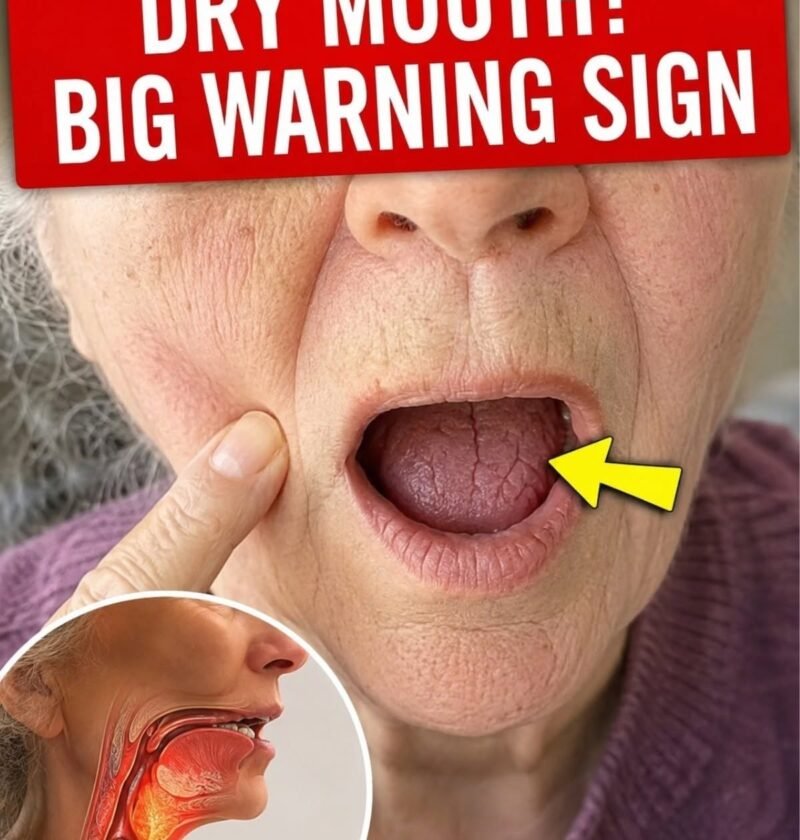
While it is common to assume that a chronically dry mouth is just another inevitable part of getting older, medical and dental experts emphasize that aging itself is rarely the root cause.
Medically known as xerostomia, a persistently dry mouth is a sign that your salivary glands are slowing down or shutting off due to external triggers, underlying health factors, or medical treatments.
Why Saliva Production Shuts Down
When saliva flow drops drastically, it usually points to one of several common culprits rather than the calendar:
-
Medication Side Effects (The #1 Culprit): Hundreds of common prescription and over-the-counter drugs inhibit saliva production. These include medications for high blood pressure (like diuretics and calcium channel blockers), depression and anxiety, allergies (antihistamines), and bladder control issues. Taking multiple medications (polypharmacy) exponentially increases this effect.
-
Underlying Health Conditions: Systemic diseases can directly impact moisture-producing glands. Conditions like Sjögren’s syndrome (an autoimmune disorder), diabetes, Parkinson’s disease, and thyroid disorders frequently feature dry mouth as a primary symptom.
-
Medical Treatments: Radiation therapy to the head and neck and certain chemotherapy drugs can damage salivary glands, sometimes resulting in a permanent reduction in saliva output.
-
Lifestyle Factors: Chronic mouth breathing (especially during sleep), dehydration, and the consumption of alcohol, tobacco, or excessive caffeine can severely dry out oral tissues.
Why a Shut-Down Saliva Flow is Dangerous
Saliva is much more than just moisture—it is your mouth’s natural defense system. Without it, you face elevated risks for:
-
Rapid Tooth Decay: Saliva washes away food particles, neutralizes plaque acids, and delivers minerals that protect enamel. Without it, aggressive cavities can form quickly, particularly along the gumline and tooth roots.
-
Oral Infections: A dry environment allows harmful bacteria, fungi (such as oral thrush), and viruses to thrive, leading to painful sores and inflamed gums.
-
Eating and Speaking Difficulties: Chronic dryness makes chewing, swallowing, tasting, and talking surprisingly difficult, which can ultimately impact proper nutrition.
What You Can Do
Because dry mouth is usually triggered by specific factors, managing it involves targeted relief and investigating the root cause:
-
Review Your Medications: If you suspect a prescription drug is drying out your mouth, talk to your doctor or pharmacist. Never stop taking a medication on your own, but ask if a dosage adjustment or an alternative drug with fewer drying side effects is available.
-
Stimulate Saliva Naturally: Chew sugar-free gum or suck on sugar-free hard candies (especially those containing xylitol) to gently encourage your salivary glands to work.
-
Use Specialized Moisturizing Products: Over-the-counter artificial saliva substitutes, specialty mouthwashes, and moisturizing sprays (such as those formulated with biotene) can coat and protect oral tissues.
-
Prioritize Hydration: Sip water constantly throughout the day, and use a cool-mist humidifier in your bedroom at night to combat dryness caused by mouth breathing.
-
Protect Your Teeth Extra Carefully: Because the risk of decay skyrockets with dry mouth, maintain strict dental hygiene, use a fluoride toothpaste, and visit your dentist regularly to catch any vulnerabilities early.
Would you like to explore specific over-the-counter remedies or lifestyle habits that help protect teeth when saliva flow is low?