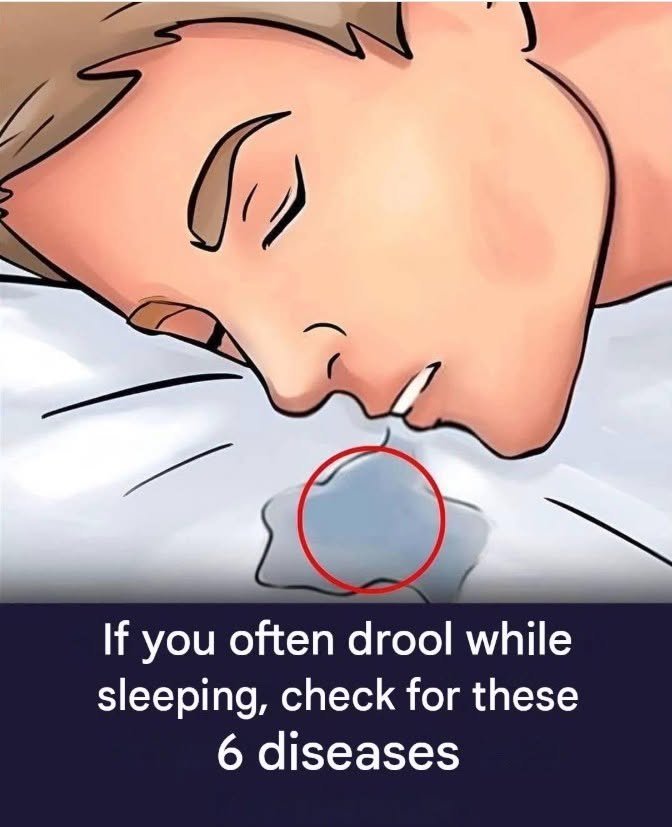
If by “your mouth runs while you sleep” you mean drooling, it is usually saliva leaking from the mouth while you’re asleep. Occasional drooling is common and usually harmless.
Why does it happen?
-
Sleeping position: Side or stomach sleeping makes saliva more likely to escape.
-
Blocked nose: Colds, allergies, sinus congestion, or nasal obstruction can make you breathe through your mouth.
-
Mouth breathing: Often associated with snoring or nasal congestion.
-
Sleep apnea: Especially if you also snore loudly, gasp or stop breathing during sleep, wake with headaches, or feel very sleepy during the day.
-
Acid reflux: Can sometimes increase saliva production.
-
Medications: Some medicines can increase salivation or affect swallowing.
-
Swallowing or neurological problems: Less commonly, excessive drooling can occur when swallowing muscles aren’t working normally.
When should you get checked?
See a clinician if drooling is new, persistent, or excessive, particularly if you have difficulty swallowing, choking, unexplained weight loss, or frequent nighttime coughing.
Sudden drooling together with facial drooping, one-sided weakness, confusion, or difficulty speaking is an emergency because it can be a sign of stroke.
If you’re otherwise well and simply notice a wet pillow occasionally, it’s usually not a sign of serious disease.