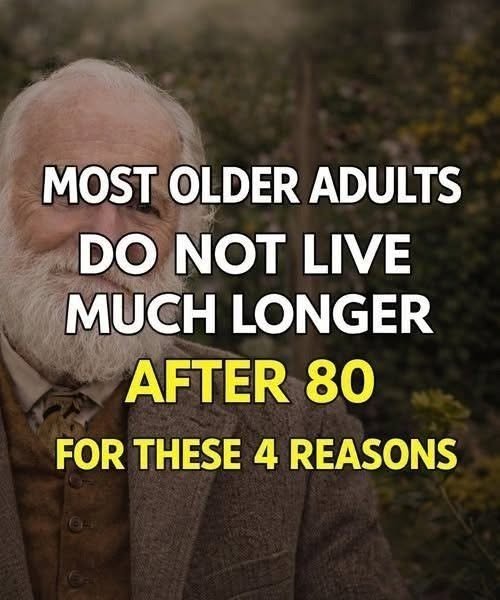
Most Older Adults Don’t Live Much Past 80: 4 Factors That Matter
The claim that “most older adults don’t live much past 80” is not a universal fact. Life expectancy varies substantially by country, sex, socioeconomic circumstances, and individual health. Reaching 80 also doesn’t mean a person is expected to die soon.
What does change with age is the risk of several chronic diseases and other health problems. Four important factors that influence longevity are:
-
Cardio
vascular disease ❤️
Heart disease and stroke remain major causes of death among older adults. Managing blood pressure, cholesterol, diabetes, smoking, and other cardiovascular risk factors can reduce risk. -
Loss of physical function 🚶
Muscle strength and balance can decline with age, increasing the risk of falls, disability, and loss of independence. Regular strength, balance, and aerobic activity can help preserve function. -
Chronic diseases and multimorbidity
Conditions such as diabetes, kidney disease, COPD, and cancer become more common with age. Regular medical care can identify and manage these problems earlier. -
Social connection, nutrition, and mental well-being
Poor nutrition, social isolation, depression, and inadequate sleep can affect overall health and daily functioning. Maintaining meaningful relationships, eating a varied nutritious diet, staying active, and addressing persistent mental-health problems are all important.
The bigger picture
There is no specific age at which healthy aging suddenly stops. Genetics matter, but so do lifelong habits, medical care, environment, and socioeconomic factors.
Rather than focusing on “making it past 80,” a more useful goal is maintaining strength, mobility, cognitive and emotional well-being, and independence for as long as possible.