Dry Mouth Every Morning? What It Could Be Signaling
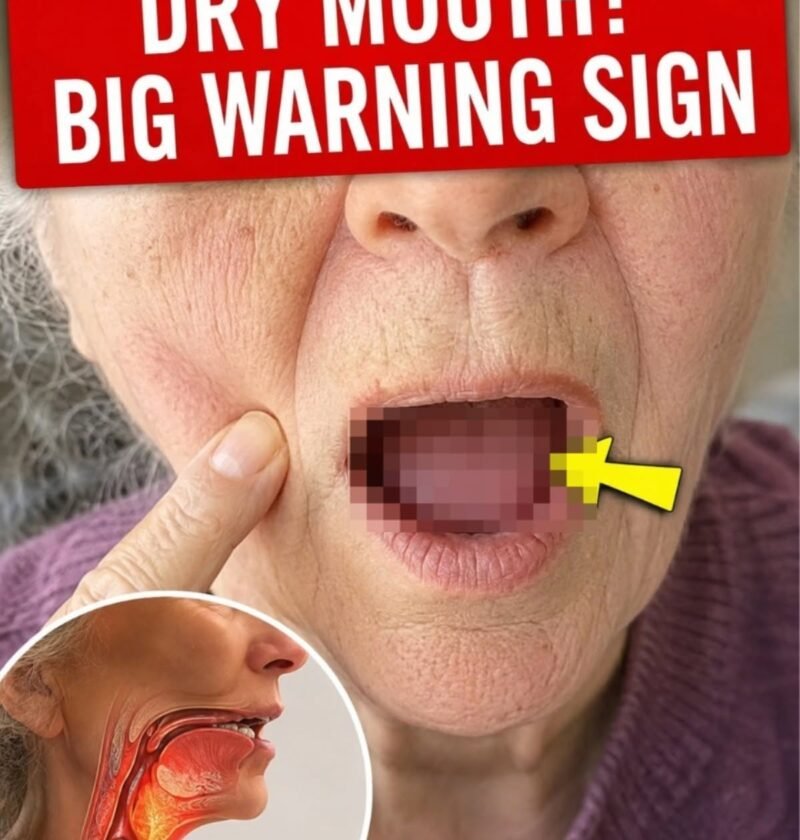
Waking up with a dry mouth is common and doesn’t necessarily indicate a serious health problem. Often, the cause is simple—such as sleeping with your mouth open—but persistent dry mouth deserves attention because saliva protects your teeth and mouth.
Common causes
-
Mouth breathing 😮
A blocked nose, allergies, enlarged tonsils, or simply sleeping with your mouth open can dry the mouth overnight. -
Dehydration 💧
Not drinking enough fluids, heavy sweating, or excessive alcohol intake can contribute to morning dryness. -
Medications 💊
Many medicines can reduce saliva production, including some antihistamines, antidepressants, blood-pressure medicines, and decongestants. -
Snoring or sleep apnea 😴
People who snore or breathe through their mouth at night may wake with a very dry mouth. Loud snoring, witnessed pauses in breathing, morning headaches, and excessive daytime sleepiness can be clues to sleep apnea. -
Smoking or tobacco use
Tobacco can irritate the mouth and contribute to dryness. -
High blood sugar
Persistent thirst and dry mouth can occur with diabetes, particularly when blood glucose is poorly controlled. -
Salivary-gland or autoimmune conditions
Less commonly, persistent dry mouth can be associated with conditions that affect saliva production.
What you can do
-
Drink water regularly during the day.
-
Address nasal congestion if you’re frequently breathing through your mouth.
-
Limit tobacco and excessive alcohol.
-
Consider a sugar-free gum or lozenge to stimulate saliva.
-
Maintain careful brushing and flossing because dry mouth increases the risk of tooth decay and gum disease.
-
If you suspect a medication is responsible, don’t stop it yourself—ask your doctor or pharmacist about alternatives.
When to get checked
See a healthcare professional or dentist if dry mouth persists for several weeks, is severe, or is accompanied by difficulty swallowing, frequent mouth infections, significant thirst or urination, or extensive tooth decay.
If you also have loud snoring, nighttime gasping/choking, breathing pauses, or marked daytime sleepiness, discuss possible sleep apnea with a clinician.