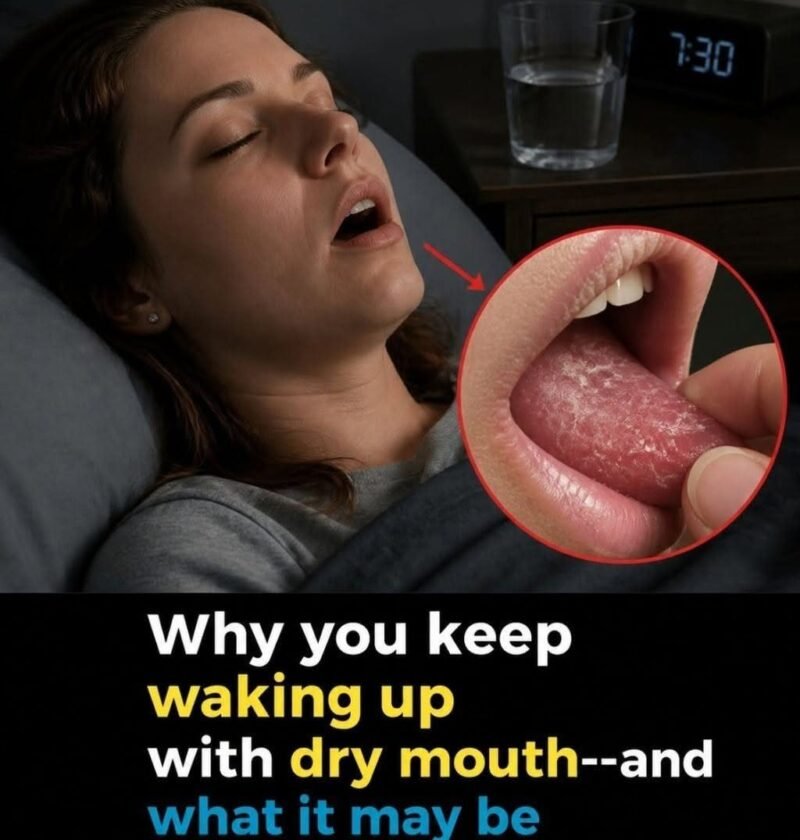
Waking up with a parched, sticky, or dry mouth is a very common morning experience. While it is often just a temporary annoyance, your body could be trying to communicate a few different things about your environment, habits, or health.
1. You Are Breathing Through Your Mouth at Night
-
What it means: This is the most frequent culprit behind morning dry mouth. If nasal congestion (from allergies, a cold, or a deviated septum) or a habit like snoring causes you to sleep with your mouth open, air continually passes over your oral tissues, evaporating your saliva.
2. Mild Dehydration or Evening Habits
-
What it means: Saliva production naturally slows down while you sleep, but if you didn’t drink enough fluids throughout the previous day—or if you consumed alcohol or caffeinated beverages close to bedtime—your body will actively conserve water, leaving your mouth feeling dry.
3. A Side Effect of Your Medications
-
What it means: Hundreds of prescription and over-the-counter medications list dry mouth (xerostomia) as a side effect. Common classes include antihistamines, decongestants, high blood pressure drugs, antidepressants, and muscle relaxants.
4. Sleep Disruptions Like Sleep Apnea
-
What it means: If chronic morning dry mouth is paired with loud snoring, gasping during the night, morning headaches, or daytime fatigue, it can be a warning sign of obstructive sleep apnea (OSA). OSA forces frequent mouth breathing and interrupted breathing patterns throughout the night.
5. Underlying Health Factors (Like Blood Sugar or Immune Health)
-
What it means: Persistent, unyielding dry mouth can occasionally point to systemic conditions. For instance, poorly controlled blood sugar levels from diabetes can cause increased thirst and dehydration, while autoimmune conditions like Sjögren’s syndrome specifically target the moisture-producing glands in the body.
Simple Ways to Find Relief
-
Keep Water Close: Keep a glass of water on your bedside table to take small sips if you wake up parched.
-
Run a Humidifier: Adding moisture to your bedroom air—especially during winter or in dry climates—prevents your airways and mouth from drying out overnight.
-
Clear Nasal Passages: If allergies or a stuffy nose are forcing you to mouth-breathe, try using a saline nasal spray or addressing congestion before bed.
Note: Never stop taking a prescribed medication on your own, but if dry mouth happens daily or is paired with other symptoms like severe fatigue or difficulty swallowing, it’s a good idea to chat with your doctor or dentist.
Is waking up with a dry mouth a recent change for you, or is it something you deal with regularly?