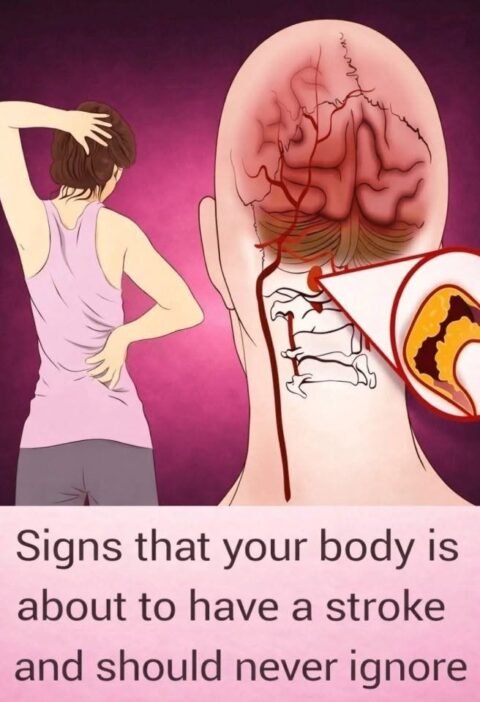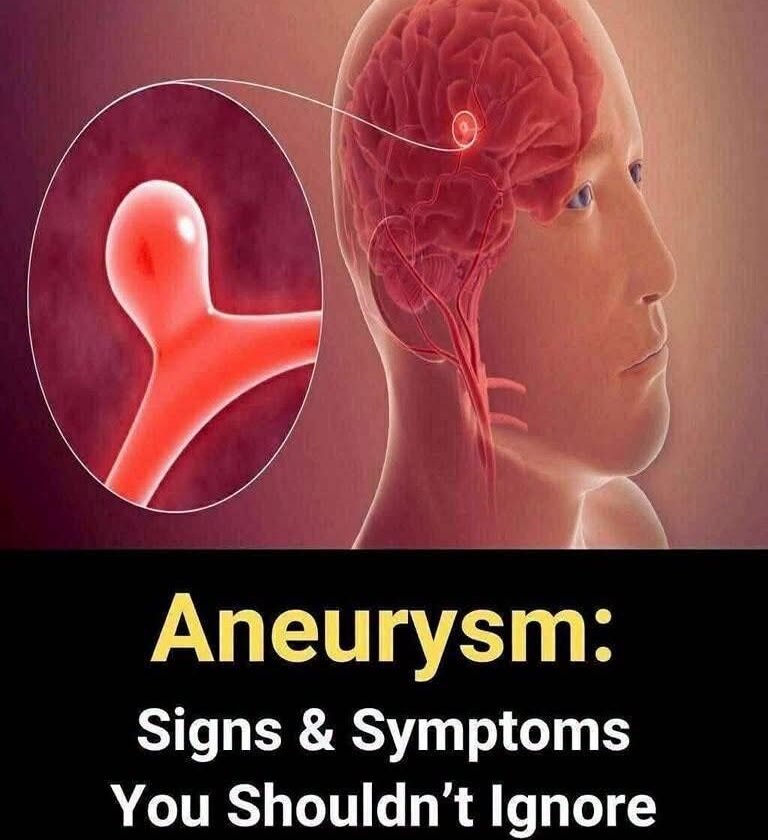
A brain aneurysm is a bulge or ballooning in a blood vessel in the brain. Many unruptured aneurysms are completely silent and produce no symptoms at all unless they grow large enough to press on surrounding brain tissues or cranial nerves. However, if an aneurysm leaks or ruptures, it becomes a life-threatening medical emergency requiring immediate intervention.
Recognizing the distinct signs—split between an unruptured growth pressing on nerves and a sudden rupture—can make all the difference.
Signs of an Unruptured Aneurysm (Nerve Compression)
When an unruptured aneurysm expands, it can press against delicate cranial nerves, triggering localized warning signs:
-
1. Pain Above or Behind One Eye: A persistent, sharp, or throbbing ache localized strictly to the eye socket region.
-
2. A Drooping Eyelid (Ptosis): Sudden drooping of one upper eyelid caused by pressure on the nerve controlling eye muscle movement.
-
3. Changes in Pupil Size (A Dilated Pupil): One pupil appearing noticeably larger than the other, or failing to react normally to light.
-
4. Blurred or Double Vision: Sudden visual disturbances, distortion, or the inability to focus properly.
-
5. Localized Numbness or Weakness: A sudden loss of feeling or minor weakness isolated to one side of the face.
Signs of a Ruptured Aneurysm (Medical Emergency)
When an aneurysm bursts (causing a subarachnoid hemorrhage), symptoms strike with terrifying speed and intensity. If you or someone nearby experiences these, call emergency services immediately.
-
6. The “Thunderclap” Headache: Often described as “the worst headache of my life,” this pain hits like a sudden physical blow, reaching peak intensity within seconds to a minute.
-
7. A Stiff, Painful Neck: Blood leaking into the space surrounding the brain irritates the meninges (the protective membranes), making it agonizingly difficult or impossible to move or bend the neck forward.
-
8. Sudden Nausea and Vomiting: Raking waves of sickness that accompany the explosive head pain as intracranial pressure rises.
-
9. Extreme Sensitivity to Light (Photophobia): Sunlight or indoor lighting suddenly becoming blindingly painful or unbearable.
-
10. Sudden Confusion or Altered Mental State: Disorientation, slurred speech, trouble understanding language, or profound drowsiness.
-
11. Sudden Seizures: Unprovoked electrical storms in the brain triggered by the shock of bleeding.
-
12. Loss of Consciousness or Fainting: Brief blacking out or slipping into an unresponsive coma as the pressure inside the skull surges.
🚨 Critical Takeaway: A sudden, explosive “thunderclap” headache is never just a standard tension headache or a migraine. Even if the severe pain begins to fade after an hour, never assume it was nothing. A minor initial leak (sometimes called a sentinel bleed) often precedes a catastrophic rupture. Immediate evaluation at an emergency room via CT or MRI scanning can save a life.
Have you or someone you know experienced unusual, sudden headaches or vision changes, or are you looking into this out of general health curiosity?