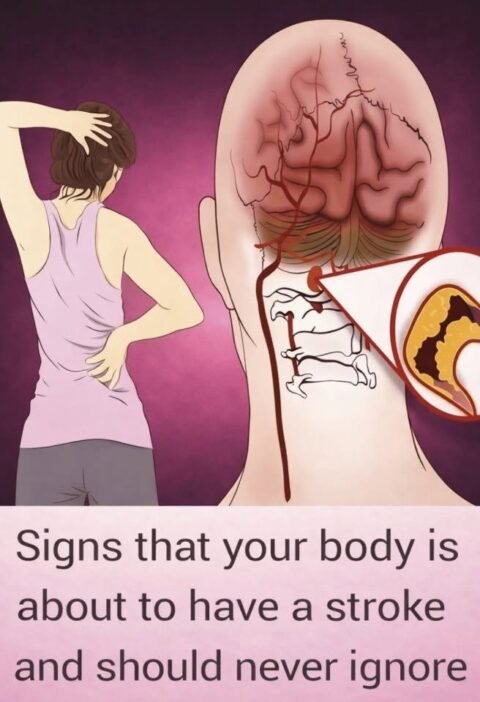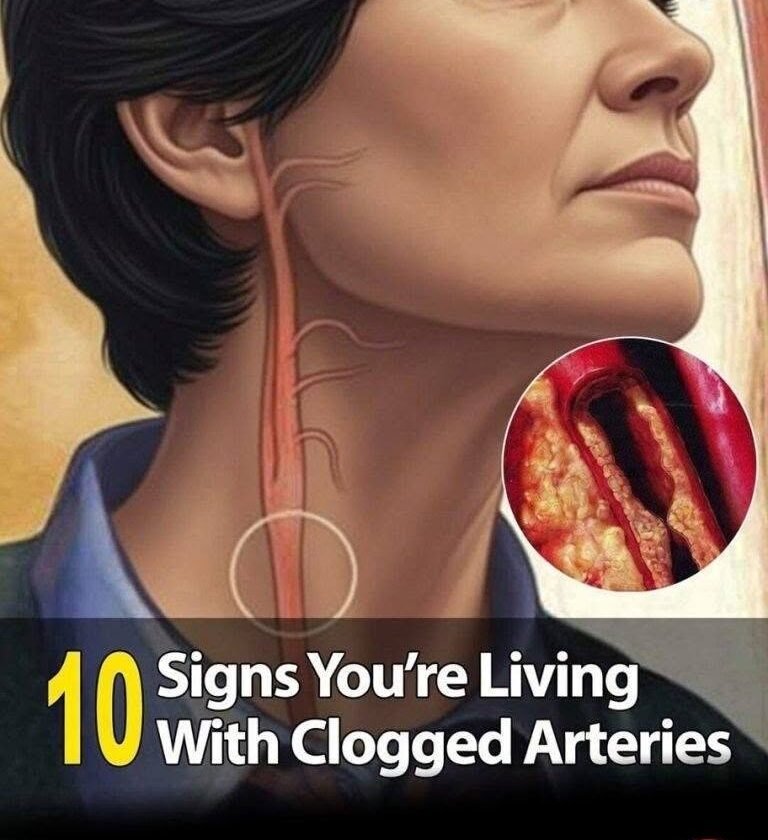
When it comes to cardiovascular health, clickbait headlines often exaggerate, but recognizing the genuine signs of blocked arteries (atherosclerosis) is genuinely critical. When plaque builds up in your arteries, it restricts blood flow to vital organs, leading to warning signs that should never be ignored.
Here are the key medical indicators associated with blocked arteries, broken down by the areas of the body they affect:
### 1. Heart-Related Indicators
* **Chest Pain (Angina):** A feeling of tightness, pressure, heaviness, or squeezing in the center or left side of the chest, often triggered by physical exertion or emotional stress.
* **Shortness of Breath:** Feeling winded or struggling to catch your breath with minimal activity or even while resting, because the heart isn’t pumping blood efficiently.
* **Heart Palpitations:** A fluttering sensation, pounding, or racing heartbeat that can occur when the heart works harder to push blood through narrowed vessels.
### 2. Extremity and Circulation Warnings
* **Intermittent Claudication (Leg Pain):** Cramping, aching, or tiredness in your legs, calves, or buttocks that occurs when walking or exercising and goes away with rest. This is a primary sign of Peripheral Artery Disease (PAD).
* **Numbness or Weakness:** Coldness, numbness, or a feeling of weakness in your arms or legs, especially if it happens more noticeably on one side of the body.
* **Slow-Healing Sores or Wounds:** Poor blood circulation can prevent minor cuts, sores, or ulcers on your feet and toes from healing properly.
### 3. Brain and Systemic Signs (Stroke Risks)
* **Sudden Neurological Changes:** Temporary or sudden weakness/numbness in the face, arm, or leg (especially on one side), slurred speech, confusion, or sudden vision changes in one or both eyes. These are classic signs of a transient ischemic attack (TIA) or stroke caused by blockages in the carotid arteries.
* **Chronic Fatigue:** Unexplained, overwhelming exhaustion that doesn’t improve with sleep, often happening because the heart and body are starved of optimal oxygenated blood flow.
* **Erectile Dysfunction:** In men, persistent difficulty achieving or maintaining an erection can frequently be an early, subtle warning sign of widespread vascular disease and narrowed pelvic arteries.
* **High Blood Pressure or High Cholesterol:** While not physical symptoms you “feel,” chronically elevated blood pressure or lab results showing high LDL cholesterol are primary internal drivers and silent indicators of arterial plaque buildup.
—
### When to Seek Emergency Help
If you or someone else experiences sudden, crushing chest pain, severe shortness of breath, sudden numbness, drooping of the face, or signs of a heart attack or stroke, **call emergency services immediately**.
Are you or someone you know currently experiencing any concerning cardiovascular symptoms, or are you looking for tips on how to support heart health through diet and lifestyle?