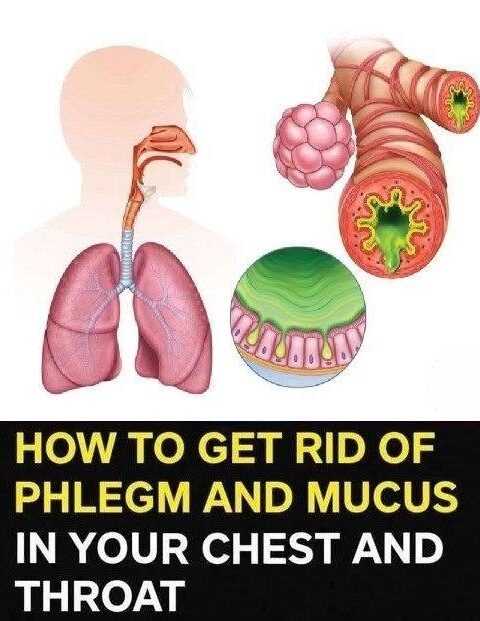
Why Do You Keep Getting Phlegm? Here’s What Your Body May Be Telling You
Phlegm is mucus produced by the airways. Your body makes mucus continuously to trap dust, allergens, microbes, and other particles. Usually, you swallow it without noticing. When you keep producing more mucus—or it becomes thicker—you may feel like you constantly need to clear your throat or cough something up.
Common reasons you may keep getting phlegm
1. Postnasal drip
Mucus from the nose and sinuses can drain down the back of your throat. Allergies, sinus inflammation, colds, and irritants can all contribute. You may notice throat clearing, a “something stuck” sensation, congestion, or mucus at the back of the throat.
2. Allergies
Allergic rhinitis can increase nasal mucus and cause postnasal drainage. Dust, pollen, mold, pets, and other allergens may trigger symptoms.
3. Acid reflux or GERD
Reflux can irritate the throat and trigger throat clearing, coughing, excess mucus sensation, hoarseness, or a sour taste. Some people experience throat symptoms without obvious heartburn.
4. Smoking or vaping
Tobacco smoke irritates the airways and can increase mucus production. A persistent mucus-producing cough is particularly common in people who smoke.
5. Respiratory infections
A cold, influenza, COVID-19, bronchitis, or another respiratory infection can temporarily increase mucus. It can take some time for the cough and mucus to completely settle after the infection itself improves.
6. Asthma or chronic airway disease
Asthma can cause cough, chest tightness, wheezing, and sometimes increased mucus. Long-term smoking or other lung conditions can also produce chronic phlegm.
Does the color tell you what is wrong?
Not necessarily.
Clear or white mucus is common with allergies and irritation, while yellow or green mucus can occur during respiratory infections. Green or yellow phlegm by itself does not prove that you have a bacterial infection or that you need antibiotics.
Blood-streaked phlegm, however, deserves more attention—particularly if it keeps happening.
When persistent phlegm should be checked
See a healthcare professional if phlegm or a cough persists for several weeks, repeatedly comes back, or is accompanied by:
-
Shortness of breath
-
Wheezing
-
Chest pain
-
Fever that persists or returns
-
Unexplained weight loss
-
Night sweats
-
Significant fatigue
-
Blood in the mucus
Seek urgent medical attention if you cough up a substantial amount of blood, have severe difficulty breathing, or develop severe chest pain.
What you can do meanwhile
Staying well hydrated can help keep mucus less thick. Avoiding cigarette smoke and other airway irritants can also help. If allergies seem responsible, reducing exposure to the relevant allergen may make a noticeable difference.
The important point is that persistent phlegm isn’t automatically a sign that your body is “lacking” a vitamin or mineral. The pattern—when it occurs, its duration, associated symptoms, smoking history, nasal symptoms, and whether you have reflux—usually provides much more useful information about the cause.