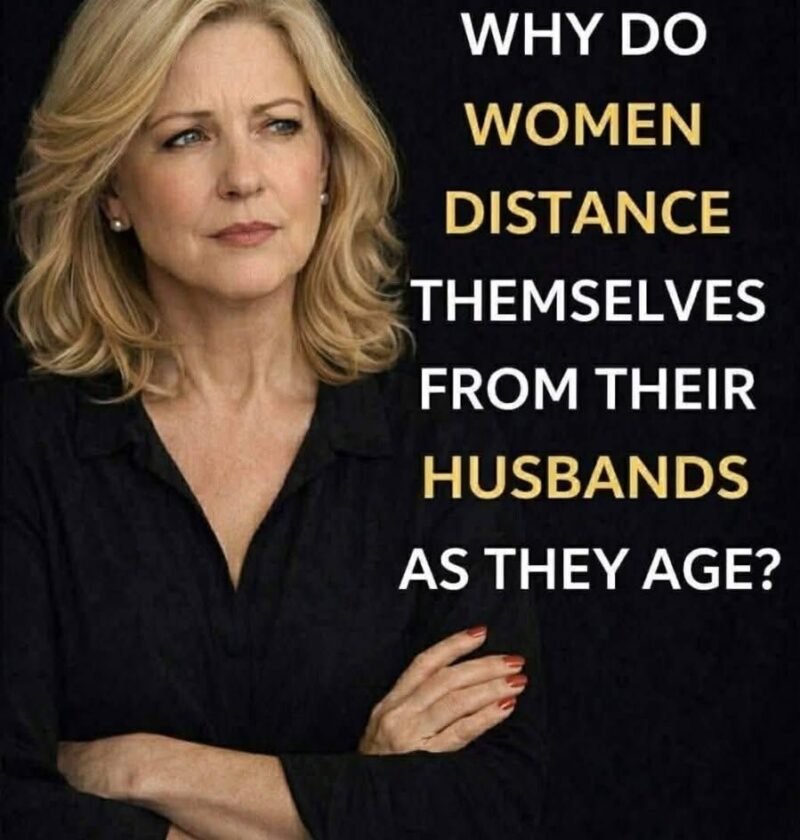
It isn’t inevitable that women distance themselves from their husbands as they age. When it does happen, there can be several overlapping reasons, and they can apply to either partner.
Common possibilities include:
-
Accumulated relationship problems: Years of unresolved arguments, resentment, or feeling unheard can gradually create emotional distance.
-
Changing priorities: Retirement, children leaving home, caregiving, or other life changes can alter how couples relate to each other.
-
Hormonal and physical changes: Menopause can affect sleep, mood, sexual desire, vaginal comfort, and energy. These changes can influence intimacy, but they don’t automatically cause someone to withdraw from a partner.
-
Health problems: Chronic pain, illness, fatigue, depression, or medication side effects can reduce interest in social or sexual interaction.
-
Need for independence: After spending decades focused on family responsibilities, someone may want more personal time, friendships, hobbies, or autonomy.
-
Changes in intimacy: Differences in libido or sexual expectations can become more noticeable with age.
-
Emotional disconnection: A person may feel more like a caretaker, roommate, or parent than a romantic partner if affection and companionship have declined.
The reverse can happen too—many couples become closer and more emotionally connected with age.
If you’re asking because this is happening in your own marriage, the most useful question is usually not “Why do women do this?” but “What changed between us, and what does my partner need now?” A calm conversation about affection, companionship, sex, health, and expectations can reveal much more than assumptions based on age or gender.