What Happens When You Take Fish Oil for 90 Days?
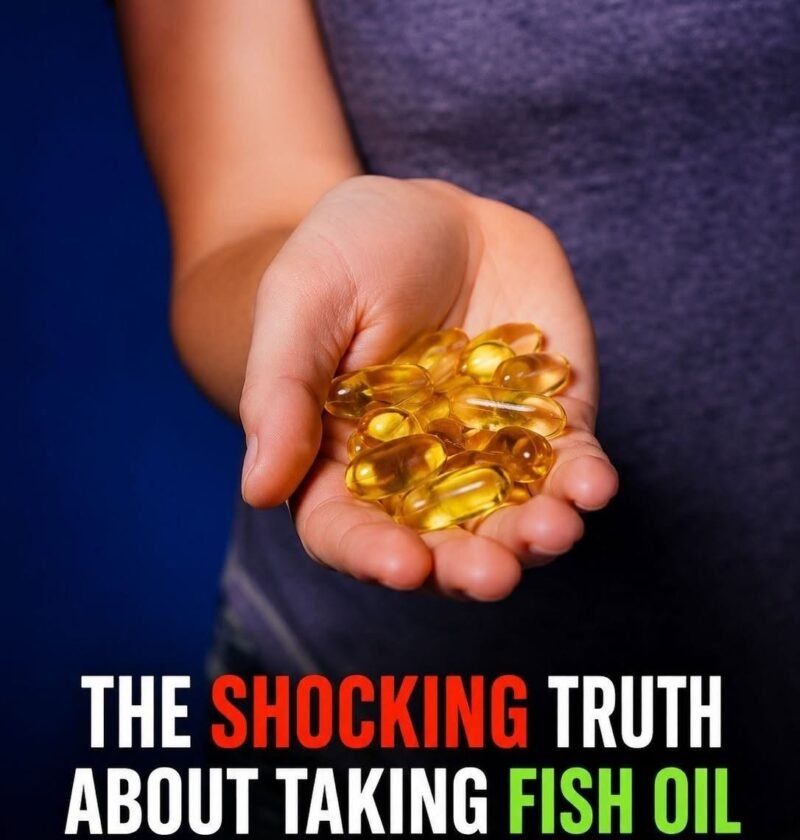
Fish oil supplements provide omega-3 fatty acids, mainly EPA and DHA. After about three months, the effects depend heavily on your dose, diet, health, and whether you actually need supplementation.
What may happen
-
Your omega-3 levels increase
EPA and DHA become incorporated into cell membranes over time. -
Triglycerides may decrease
This is one of the best-established effects of higher-dose omega-3 supplementation. The reduction depends on the dose and starting triglyceride level. -
You may notice digestive effects
Fishy burps, unpleasant taste, heartburn, nausea, or loose stools can occur. -
Blood pressure may change slightly
Some research suggests modest effects, but results vary between people and formulations. -
LDL cholesterol may change
Some fish-oil preparations can increase LDL cholesterol slightly, while effects vary by product and individual. -
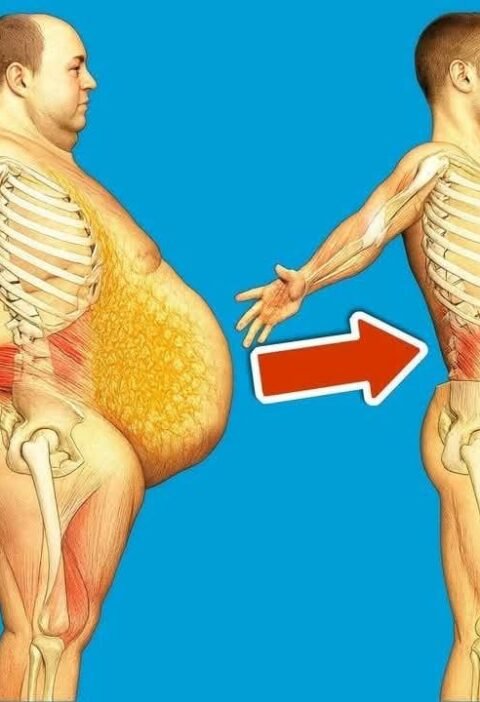
You shouldn’t expect automatic weight loss
Fish oil isn’t a fat-burning supplement, and taking it for 90 days doesn’t guarantee a smaller waist or lower body weight. -
Heart benefits aren’t universal
Evidence for over-the-counter fish oil in preventing cardiovascular events in generally healthy people is mixed. Prescription omega-3 products are used for specific medical indications and aren’t interchangeable with ordinary supplements.
Who should be cautious?
Fish oil can interact with medications that affect blood clotting, and high doses may increase bleeding risk in certain circumstances. If you take warfarin, apixaban, rivaroxaban, clopidogrel, aspirin, or another blood-thinning/antiplatelet medicine, discuss supplementation with your clinician or pharmacist.
Food versus supplements
For many people, regularly eating oily fish such as salmon, sardines, or mackerel is a practical way to obtain omega-3s as part of a balanced diet.
Bottom line: After 90 days, fish oil may raise EPA/DHA levels and lower triglycerides, particularly at therapeutic doses. It isn’t a guaranteed “detox,” weight-loss treatment, or protection against heart disease, and higher doses aren’t automatically better.