What Happens After Gallbladder Removal?
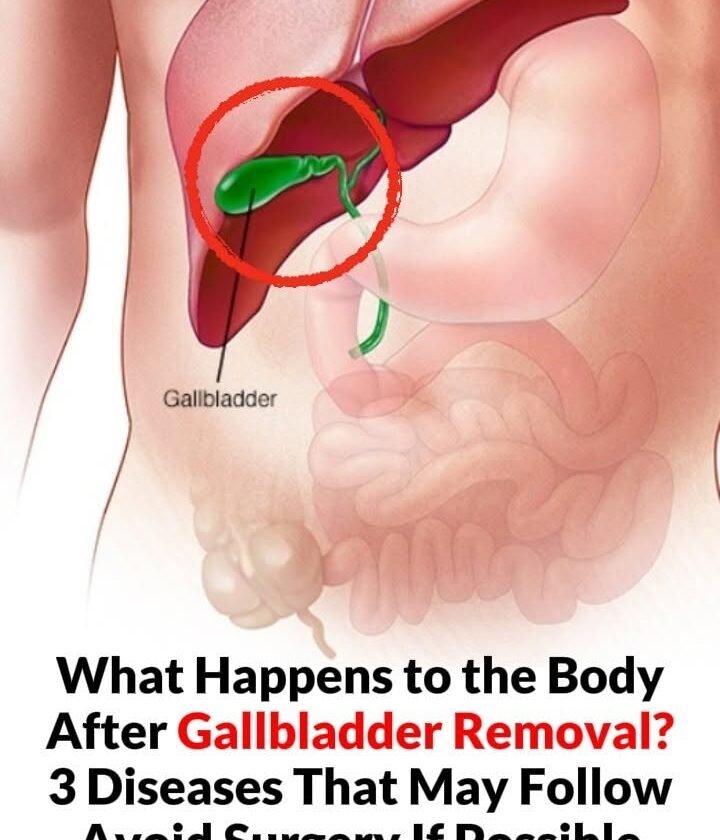
The headline “3 diseases that may follow—avoid surgery if possible” is misleading. Gallbladder removal (cholecystectomy) is a common procedure, and when it’s medically indicated, avoiding it can sometimes be more dangerous than having it.
After removal, the liver continues making bile, but bile flows directly into the small intestine rather than being stored in the gallbladder. Most people can digest food normally afterward.
What can happen after surgery?
Some people experience temporary:
- Diarrhea or looser stools
- Bloating or gas
- Indigestion, particularly after fatty meals
- Abdominal discomfort
These symptoms often improve as the digestive system adapts. A smaller number of people develop persistent bile-acid diarrhea, which can be treated medically.
Does gallbladder removal cause diseases?
There isn’t a standard list of “three diseases” that everyone develops after surgery. Some studies have investigated associations with conditions such as metabolic or digestive disorders, but an association doesn’t prove that surgery caused the disease.
When surgery is important
Gallbladder removal may be recommended for symptomatic gallstones, acute or recurrent gallbladder inflammation, certain bile-duct problems, or other complications. Untreated gallstone disease can sometimes lead to serious infection, pancreatitis, or bile-duct obstruction.
Bottom line: Don’t avoid a medically recommended gallbladder operation because of a viral claim. The right decision depends on why surgery has been recommended, your symptoms, imaging findings, and overall health.