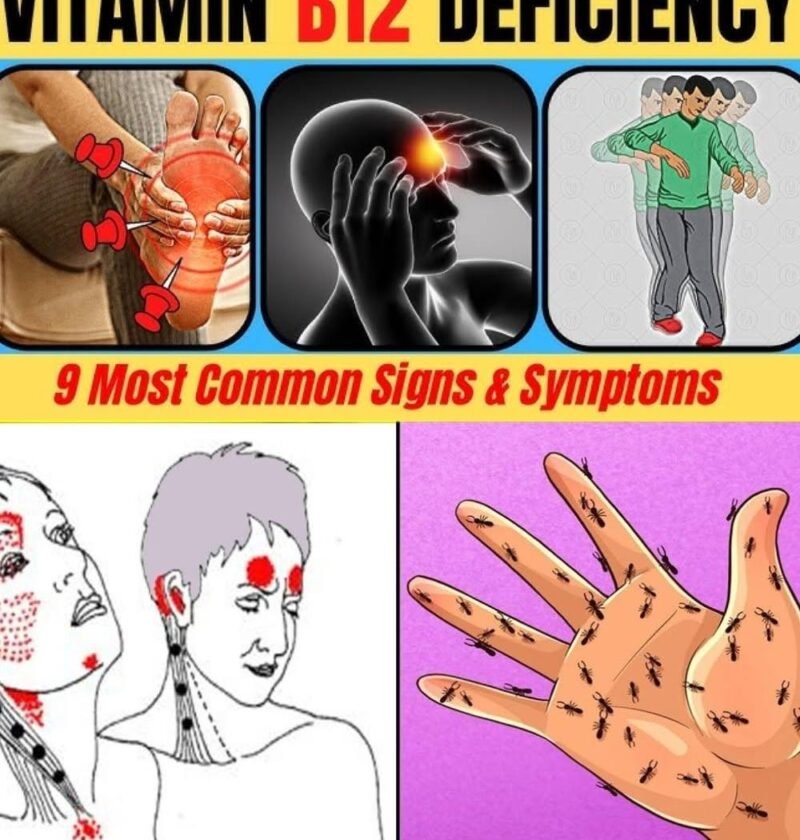
When your body runs low on Vitamin B12, it doesn’t just whisper—it sends out unmistakable distress signals. Because this essential vitamin is vital for producing healthy red blood cells, insulating your nerve fibers, and supporting neurological function, a deficiency impacts almost every major system in your body.
Here are the critical warning signs of a Vitamin B12 deficiency that you should never ignore:
1. Profound, Bone-Deep Fatigue
Feeling tired after a busy week is normal, but B12 deficiency fatigue leaves you feeling completely drained no matter how much sleep you get. Without enough B12, your bone marrow struggles to produce sufficient red blood cells to deliver oxygen efficiently throughout your tissues, leaving your entire body sluggish and weak.
2. Numbness, Tingling, and “Pins and Needles”
B12 is crucial for maintaining the protective myelin sheath that insulates your nerves. When levels drop, nerve signals misfire, often showing up as a persistent prickling, numbness, or electric-shock sensation in your hands, fingers, feet, or toes.
3. Brain Fog and Memory Lapses
Finding it unusually difficult to concentrate, struggling to pull up simple words during conversations, or feeling mentally sluggish can be tied to low B12. Because the vitamin is essential for central nervous system health, a shortage directly impacts your cognitive sharpness and mental clarity.
4. Unsteady Balance and Clumsiness
Damage to your peripheral nerves and nervous system can interfere with proprioception—your body’s unconscious awareness of its position in space. This can make you feel uncoordinated, clumsy, or unusually unsteady when walking, particularly in the dark.
5. A Smooth, Sore, or Bright Red Tongue (Glossitis)
Your tongue can literally show signs of nutritional distress. A deficiency can cause your tongue to swell, turn fiery red, or lose its tiny papillae (the rough bumps on the surface), leaving it looking smooth, glossy, and feeling painful or burning when you eat.
6. Pale or Jaundiced Skin
When red blood cells are fragile and malformed due to a lack of B12, they break down prematurely, releasing excess bilirubin into your bloodstream. This can give your skin and the whites of your eyes a subtle yellowish tint or a very washed-out, pale appearance.
7. Dizziness and Lightheadedness
Because your circulatory system is working overtime to deliver oxygen-rich blood with fewer functional red blood cells, you may experience frequent bouts of dizziness or lightheadedness, especially when standing up quickly.
8. Unexplained Mood Changes and Irritability
B12 is deeply involved in synthesizing neurotransmitters like serotonin and dopamine, which regulate your emotional well-being. A deficiency can leave you feeling unusually irritable, anxious, or struggling with low spirits.
Who Is Most Vulnerable?
While anyone can experience a deficiency, certain groups are at higher risk:
-
Older Adults: Stomach acid production naturally declines with age, making it significantly harder to cleave and absorb B12 from food.
-
Vegans and Vegetarians: Since B12 is found almost exclusively in animal products, strict plant-based eaters rely heavily on fortified foods or targeted supplements.
-
Individuals with Digestive Issues: Conditions like celiac disease or Crohn’s disease, as well as the long-term use of acid-reflux medications (like proton pump inhibitors), can severely impair absorption.
What to Do
If you suspect you might be deficient, a simple blood test ordered by your doctor can check your serum B12 levels. Catching it early is crucial, as correcting it through dietary adjustments, high-potency supplements, or injections can reverse most neurological symptoms and get your energy back on track.
Are you or someone you know currently experiencing any of these symptoms, or are you looking for guidance on the best dietary sources and supplements to boost your B12 intake?