Visible Veins Explained: Normal Causes, Health Risks, and When to Worry
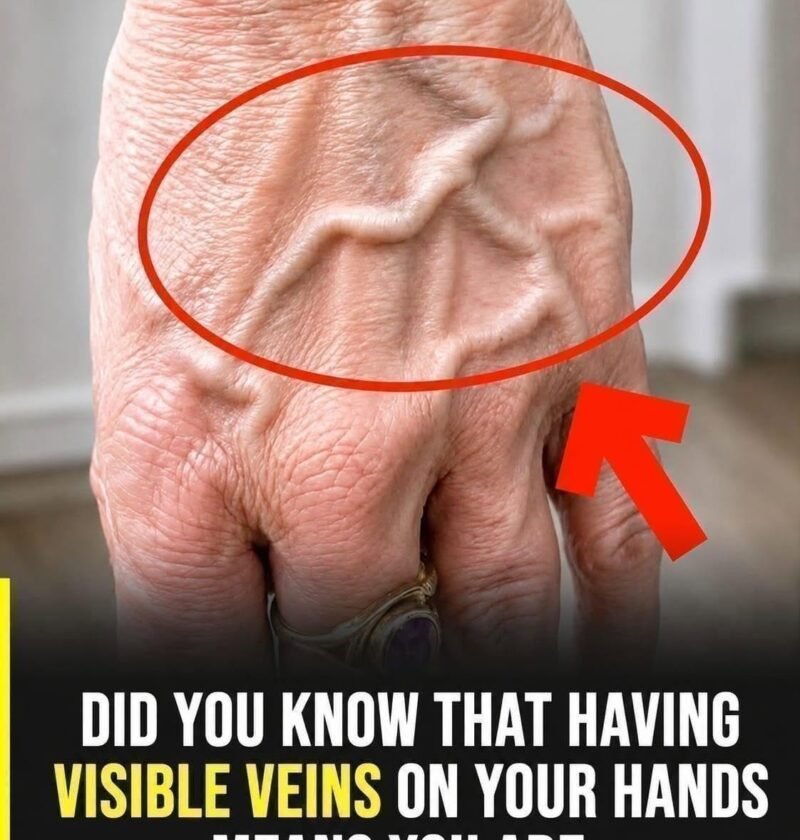
Visible veins are common and often completely normal. You may notice blue, green, or purple veins on your hands, arms, legs, feet, or even your chest. Their appearance depends on factors such as skin thickness, genetics, body fat, temperature, and circulation.
However, a sudden change in vein appearance, especially with pain, swelling, redness, or warmth, can sometimes indicate a medical problem.
1. Why do veins become more visible?
Exercise and physical activity
Exercise increases blood flow to working muscles, temporarily making veins more prominent. This is especially noticeable after weightlifting or strenuous activity.
Genetics and thinner skin
Some people naturally have more visible veins because of inherited traits, lighter skin, or thinner skin.
Low body fat
Less fat beneath the skin can make superficial veins easier to see. This is common in lean individuals and athletes.
Heat and aging
Warm temperatures can widen superficial blood vessels. As skin becomes thinner with age, veins may also become more noticeable.
Varicose veins
Enlarged, twisted veins, usually in the legs, can develop when vein valves do not work effectively and blood pools in the vessels.
2. When are visible veins a health concern?
Most visible veins are harmless, but certain patterns deserve attention.
| What you notice | Possible explanation |
|---|---|
| Flat veins that appear more visible during exercise | Normal increased blood flow |
| Bulging, twisted veins in the legs | Varicose veins |
| Aching, heaviness, or ankle swelling that worsens after standing | Chronic venous insufficiency |
| A painful, red, warm vein that feels hard | Superficial vein inflammation or a blood clot |
| Sudden swelling in one arm or leg | Possible deep vein thrombosis (DVT) |
| New prominent veins across the chest or abdomen | May require evaluation for an underlying circulation problem |
These signs do not establish a diagnosis on their own.
3. Warning signs that should not be ignored
Seek emergency medical care
-
-
Sudden shortness of breath.
-
-
-
Chest pain, particularly when breathing in.
-
-
-
Coughing up blood.
-
-
-
Fainting or severe difficulty breathing.
-
These symptoms can indicate a pulmonary embolism, a potentially life-threatening complication of a blood clot.
Get urgent medical assessment
-
-
New swelling in one leg or arm.
-
-
-
Pain, warmth, or redness along a vein.
-
-
-
A suddenly enlarged, tender vein.
-
-
-
New prominent chest or abdominal veins accompanied by swelling or discomfort.
-
4. How can you keep your veins healthy?
-
-
Move regularly: Walking and calf-muscle activity help blood return from the legs.
-
-
-
Avoid prolonged sitting or standing: Take movement breaks throughout the day.
-
-
-
Elevate your legs: This may relieve swelling associated with venous insufficiency.
-
-
-
Maintain a healthy weight: This can reduce pressure on leg veins.
-
-
-
Protect your skin: Use moisturizer and sun protection, particularly as skin becomes thinner with age.
-
-
-
Ask a clinician about persistent symptoms: Compression stockings may help some people, but sudden swelling or suspected blood clots should be evaluated before relying on them.
-
There is no need to try to make normal veins disappear. Their visibility alone is not a reliable measure of cardiovascular health.