The Emotional Meaning of Shoulder Pain: What Your Body Is Trying to Tell You
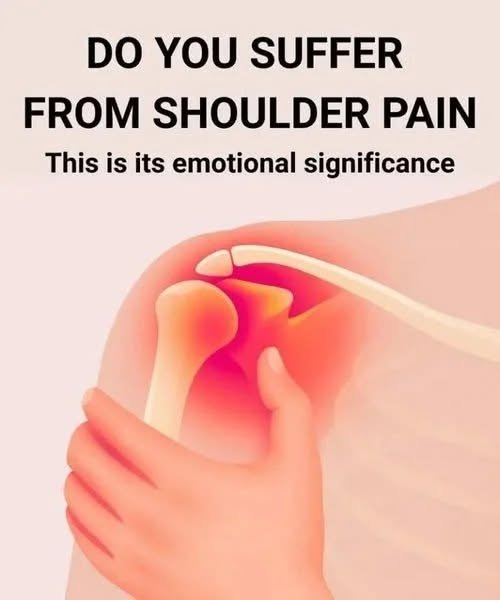
When physical discomfort lingers despite medical treatment or stretching, it often prompts us to look deeper. In the realm of mind-body medicine and somatic psychology, the shoulders are far more than mechanical hinges for our arms—they are the primary physical manifestation of how we carry the weight of our lives.
From the common idiom “carrying the weight of the world on your shoulders” to actual neurological and muscular responses, our emotional states directly shape our physical posture and tension.
1. The Core Symbolism: Responsibility and Burden
Your shoulders support your arms, which are the tools you use to reach out, grasp, work, and defend yourself. Because of this, the shoulder area is deeply tied to themes of:
-
Duty and Obligation: Taking on too much responsibility at work, in relationships, or within your family.
-
Burden: Feeling overwhelmed, unsupported, or stuck carrying a situation that isn’t entirely yours to fix.
-
Control: The need to “hold everything together” so that nothing falls apart.
When you feel emotionally overburdened, your nervous system triggers a protective response: your shoulders naturally hike up toward your ears, creating chronic muscular guarding. Over time, this stress posture solidifies into stiffness, pain, or inflammation.
2. Left Shoulder vs. Right Shoulder: Decoding the Location
In somatic practices, the left and right sides of the body often represent different emotional themes:
-
The Left Shoulder (Internal, Relational, and Emotional):
-
Associated with the inner self, personal life, relationships, and emotional giving/receiving.
-
Pain here often points to feeling overburdened by domestic duties, emotional caretaking for others, or deep-seated guilt and grief.
-
-
The Right Shoulder (External, Action, and Professional):
-
Associated with the outer world, career, finances, authority figures, and masculine/active energy.
-
Pain here frequently correlates with workplace stress, financial anxiety, feeling unappreciated in your career, or friction with authority.
-
3. Specific Types of Discomfort and Their Emotional Correlates
-
Chronic Stiffness & Tension: Often reflects stubbornness or a refusal to back down from a difficult situation. You might be “shouldering” a situation out of sheer willpower, refusing to ask for help.
-
Frozen Shoulder (Adhesive Capsulitis): Symbolizes being emotionally “frozen” or paralyzed by fear of the future, or feeling trapped in a situation where you feel you have no agency or freedom of movement.
-
Acute Sharp Pain (Injuries/Strains): Can indicate a sudden emotional shock, a boundary violation, or reaching a breaking point where your body forces you to stop and put down a heavy mental load.
4. Somatic Reflection Prompts
If you are experiencing persistent shoulder pain, consider asking yourself these reflective questions:
-
What am I currently trying to control, fix, or carry that isn’t truly mine to bear?
-
Where in my life do I feel a lack of support or help from others?
-
What responsibility am I dreading or forcing myself to push through?
-
If my shoulders could speak right now, what would they ask me to put down?
A Note on Holistic Care:While exploring the emotional and symbolic roots of physical pain can offer profound psychological breakthroughs, it is always wise to rule out underlying physical causes—such as poor ergonomics, repetitive strain, joint issues, or nerve impingement—by consulting a qualified healthcare professional.
What specific area of your shoulders is feeling the tension or pain right now?