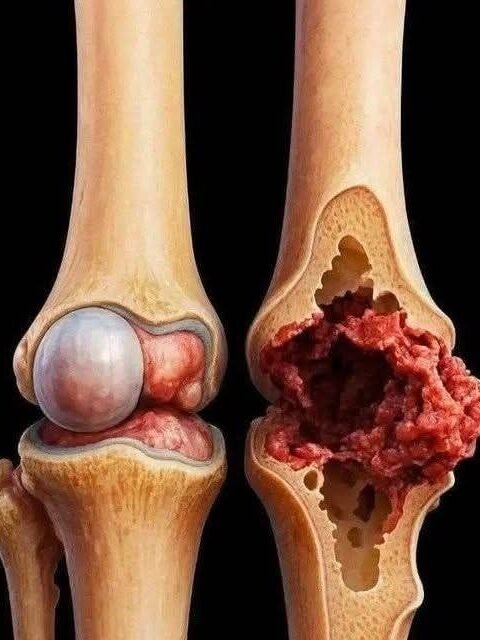
A bump on the wrist is often benign, but its appearance, location, and symptoms can provide clues about what it is.
Common causes of a wrist lump
-
Ganglion cyst: The most common cause. It’s a fluid-filled lump arising near a joint or tendon. It may become more noticeable when you move the wrist and can sometimes change size.
-
Arthritis-related swelling: Joint inflammation or bony changes can produce bumps around the wrist or fingers.
-
Lipoma: A soft, usually painless lump made of fatty tissue.
-
Tendon problems: Inflammation around a tendon can cause localized swelling or a lump.
-
Injury: A previous fracture or trauma can sometimes leave persistent swelling or a bony prominence.
-
Less commonly, other growths: Most wrist lumps aren’t cancerous, but an unexplained or changing mass should be examined.
When to have it checked
Arrange a medical evaluation if the lump is new, growing, painful, hard/fixed, associated with numbness or weakness, limits wrist movement, or doesn’t go away.
Seek prompt care if it appeared after a significant injury, is accompanied by severe pain or loss of movement, or the hand becomes cold, pale/blue, or markedly numb.
Don’t try to pop or puncture a wrist lump yourself. If it’s a ganglion cyst, doing so can cause infection or damage nearby structures.
If you describe where on the wrist the bump is (top, palm side, thumb side, or little-finger side), whether it’s hard or soft, and whether it hurts, I can explain which causes fit best.