- Yellowing of the Skin and Eyes (Jaundice): A buildup of bilirubin causes the skin and whites of the eyes to turn yellow, often accompanied by intensely itchy skin, dark urine, and pale, clay-colored stools.
-
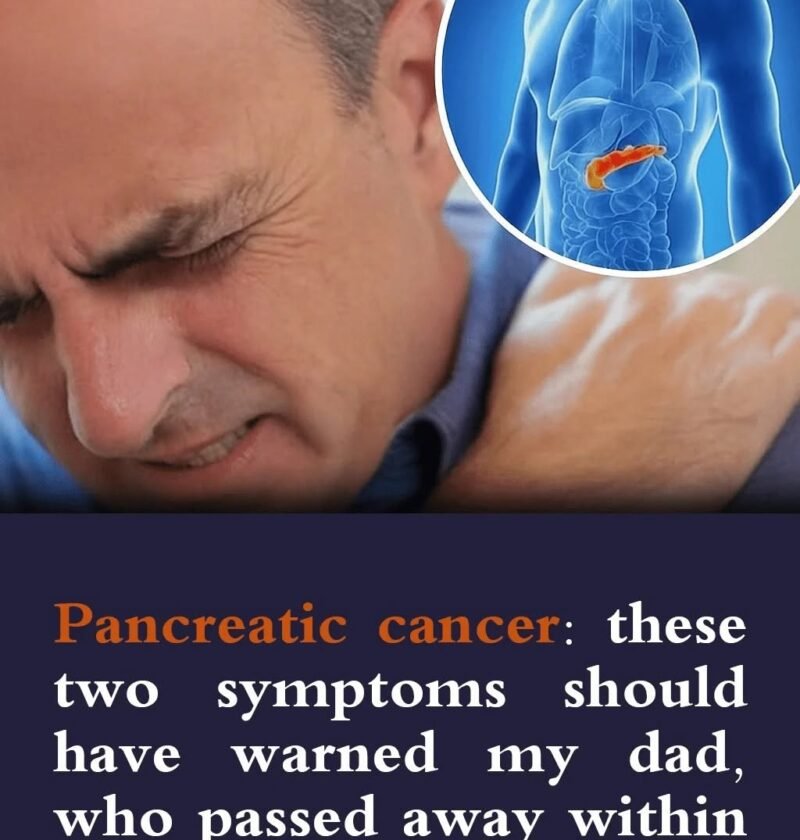
Upper Abdominal or Back Pain: A common dull ache or piercing pain starting in the upper abdomen and wrapping around to the mid- or upper-back, which may temporarily ease when leaning forward.
-
Unexplained Weight Loss: Dropping a significant amount of weight (such as 5% or more of body weight) without any changes to diet or exercise routine.
-
Loss of Appetite and Early Satiety: A sudden lack of interest in food or feeling painfully full after eating only a small portion.
-
New-Onset Diabetes: Developing diabetes unexpectedly later in life—especially without a family history or associated weight gain—as tumors can disrupt insulin-producing cells.
-
Digestive Changes and Stool Abnormalities: Stools that appear pale, float, smell unusually foul, or look oily/greasy because the body cannot properly digest fats due to blocked pancreatic enzymes.
-
Nausea and Vomiting: Ongoing indigestion, nausea, or vomiting caused by a growing tumor pressing against or obstructing part of the stomach or small intestine.
-
New or Extreme Fatigue: Pervasive, debilitating tiredness and lack of energy that does not improve with rest.
-
Blood Clots (Deep Vein Thrombosis): Unexplained blood clots in large veins, particularly in the legs (causing swelling, pain, or redness), which can occasionally be an early warning sign of an underlying malignancy.
-
Unexplained Depression or Anxiety: Sudden mood shifts or new-onset psychological distress, which researchers have frequently noted as an unexplainable early neurological symptom occurring before physical pain manifests.