Blog

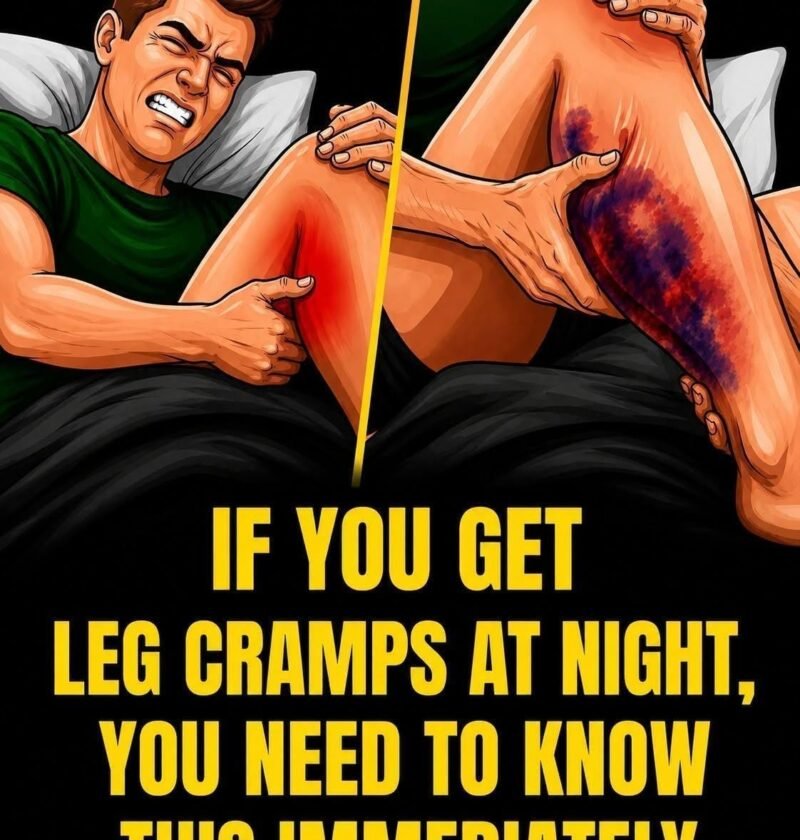
Who Is Most at Risk of Night Cramps?

Night cramps—spasms that hit the calves, feet, or thighs during sleep—affect specific groups far more frequently than others. While anyone can experience them, the risk is significantly higher in certain demographics, lifestyle conditions, and medical profiles. Primary At-Risk Demographics Older Adults: The risk increases sharply after age 50. Over one-third of adults over 60 experience …

Blog

Do you have an itchy or sore breast? Here’s what it means.(1 / 2)

Breast itchiness or soreness is quite common and usually harmless, but understanding the underlying cause helps you manage it effectively or know when to seek medical evaluation. ## Common Causes * **Hormonal Fluctuations:** Shifts in estrogen and progesterone during menstruation, pregnancy, perimenopause, or when starting birth control frequently cause breast swelling, tenderness, or itching. * …

Blog

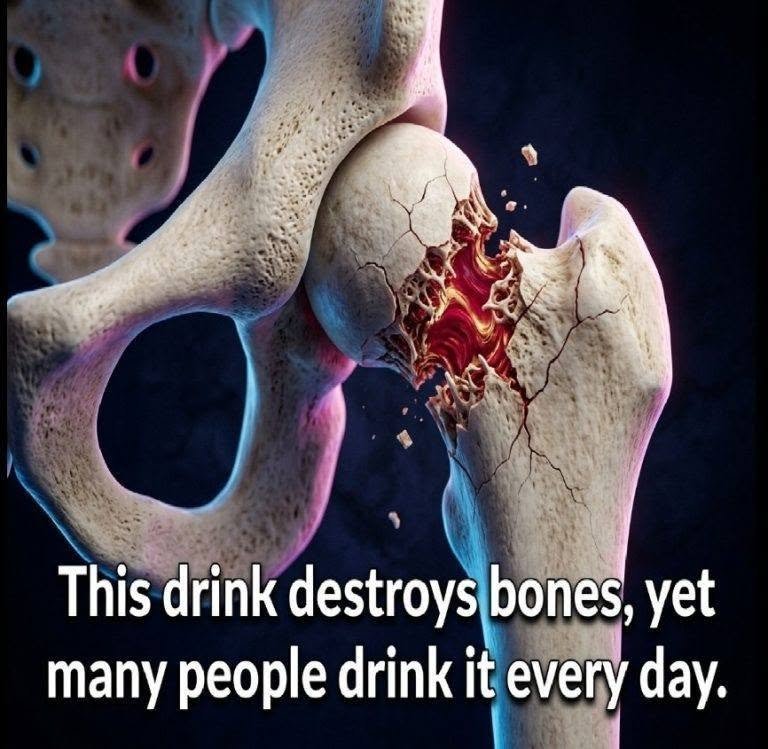
The five drinks that are most harmful to your bones, according to health experts.

According to health experts and bone health organizations, drinking certain beverages in excess can interfere with calcium absorption, leach minerals from your skeletal system, or disrupt bone-rebuilding processes. The five drinks most frequently cited as most harmful to bone health are: 1. Colas and Dark Carbonated Sodas Why they harm bones: Dark sodas (especially colas) …

Blog

I am 73 years old, I live alone and I feel fulfilled: 4 tips that work for me.

Living alone and feeling genuinely fulfilled at 73 is a wonderful place to be. It reflects intentionality, self-awareness, and a healthy relationship with your own company. While every individual’s routine looks different, four foundational principles consistently enable people to thrive when living independently in their 70s and beyond: ### 1. Cultivate “Micro-Connections” Without Sacrificing Autonomy …

Blog

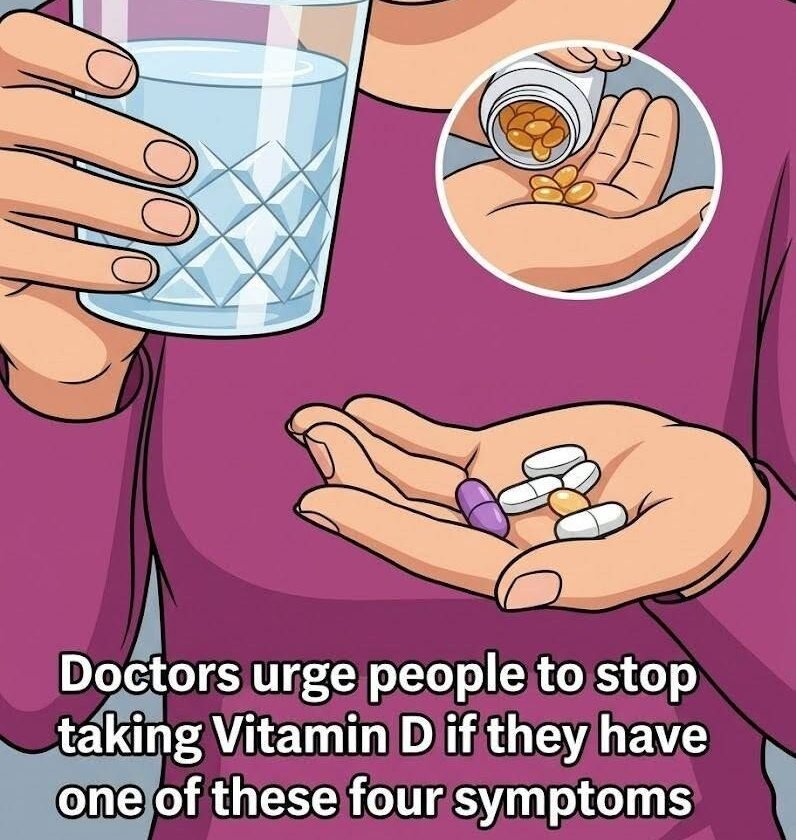
Important Warning from Doctors: Stop Taking Vitamin D Immediately If You Have These 4 Symptoms

While vitamin D is essential for bone health, immune function, and overall well-being, taking excessive doses—especially over a long period—can lead to vitamin D toxicity (hypervitaminosis D). Because vitamin D helps the body absorb calcium, an overdose leads to a build-up of calcium in the blood (hypercalcemia), which affects the digestive tract, kidneys, muscles, and …