

Blog

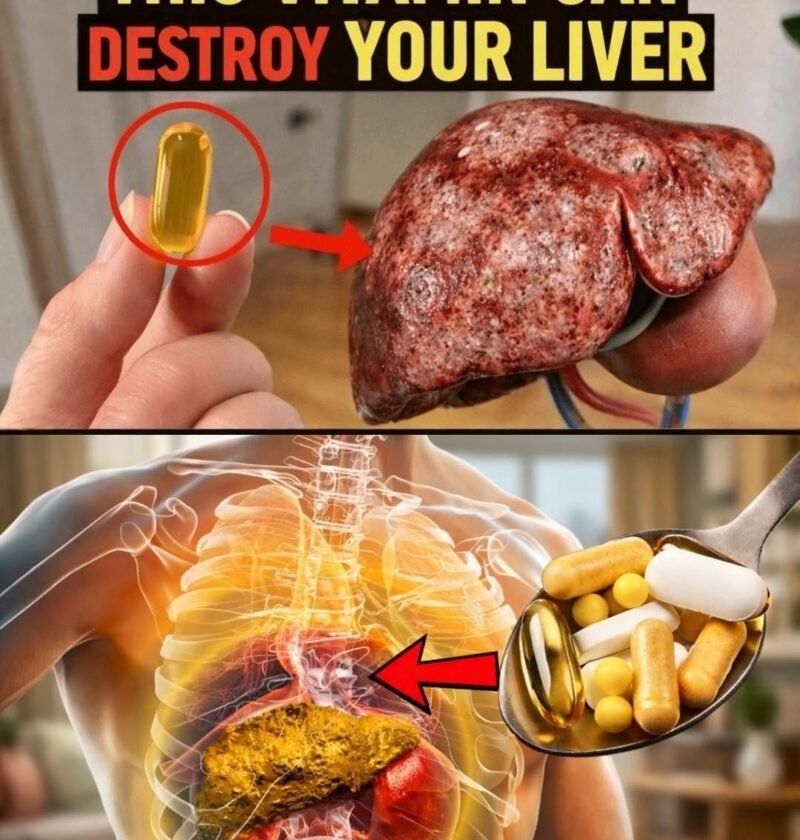
DEADLY! 9 Vitamins & Supplements That DESTROY Your Liver & Kidneys

If you’re asking whether that headline is accurate: it’s misleadingly sensationalized. Some vitamins and supplements can injure the liver or kidneys, especially at high doses, with prolonged use, or when combined with medications. But “9 vitamins & supplements that destroy your liver & kidneys” implies that ordinary use of nine specific products routinely causes organ …
Blog

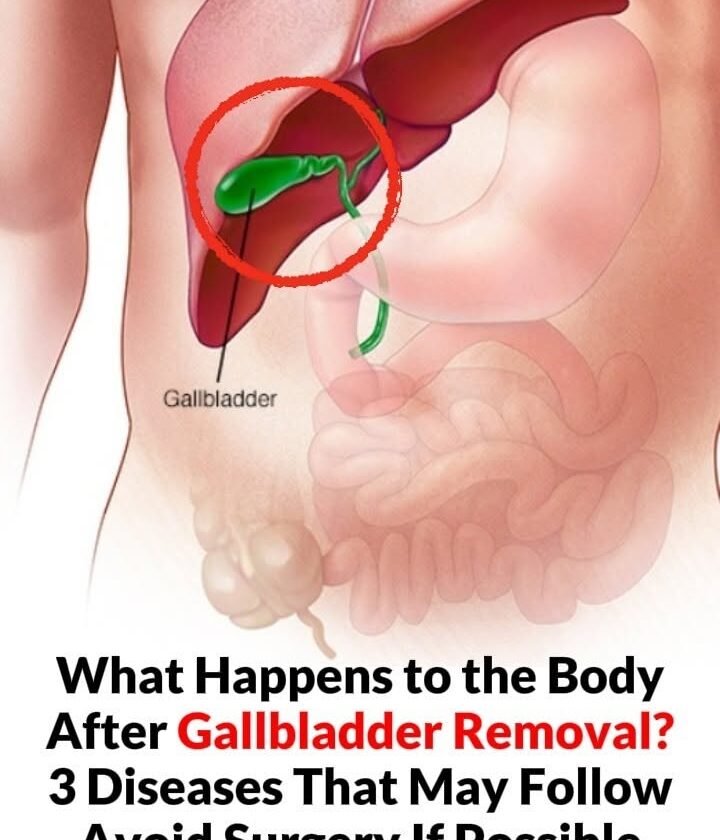
What Happens to the Body After Gallbladder Removal? 3 Diseases That May Follow – Avoid Surgery If Possible

Gallbladder removal is a common operation, and the claim that you should “avoid surgery if possible because three diseases may follow” is too broad. Whether surgery is appropriate depends heavily on why the gallbladder is being removed. What actually happens after removal? The gallbladder stores bile made by the liver. After a cholecystectomy, the liver continues producing bile, but it flows more continuously into the intestine …

Blog

What Happens to the Body After Gallbladder Removal? 3 Diseases That May Follow – Avoid Surgery If Possible

If you’re asking whether gallbladder removal causes three specific diseases and whether surgery should be avoided, the evidence is more nuanced than that headline suggests. What actually changes after gallbladder removal? The gallbladder stores and concentrates bile. After a cholecystectomy, your liver still makes bile, but it flows more continuously into the small intestine rather …

Blog

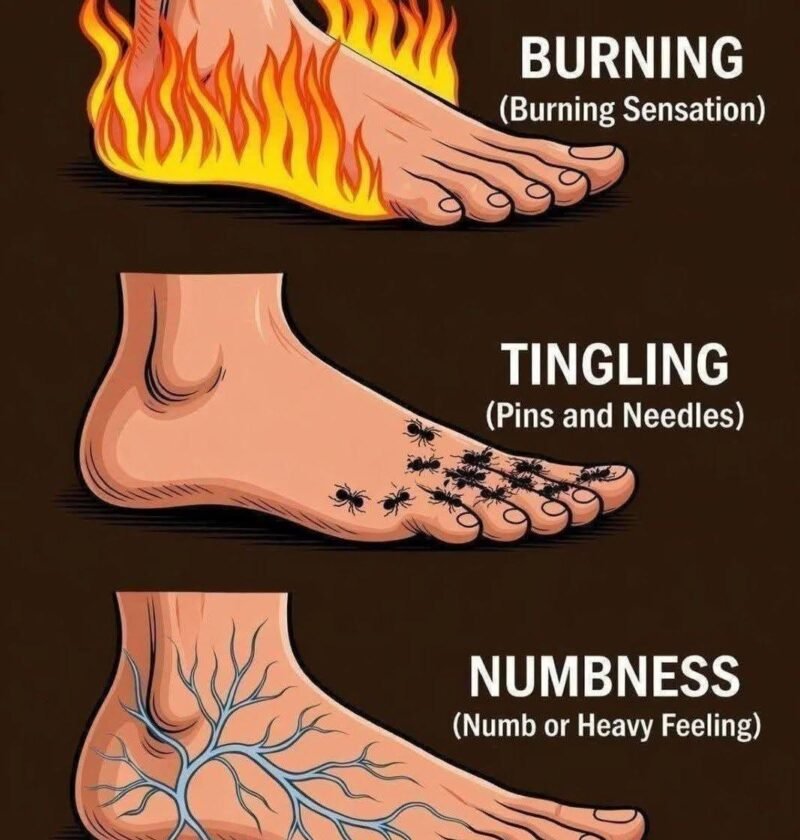
If you have these 9 symptoms in your feet , it’s a sign that…

If you’re asking what 9 foot symptoms can indicate, some common ones are: Persistent swelling — can be associated with circulation problems, heart/kidney issues, or injury. Burning or tingling — may occur with nerve irritation or neuropathy, including diabetes-related neuropathy. Numbness — can indicate nerve problems or reduced circulation. Cold feet — sometimes linked to …

Blog

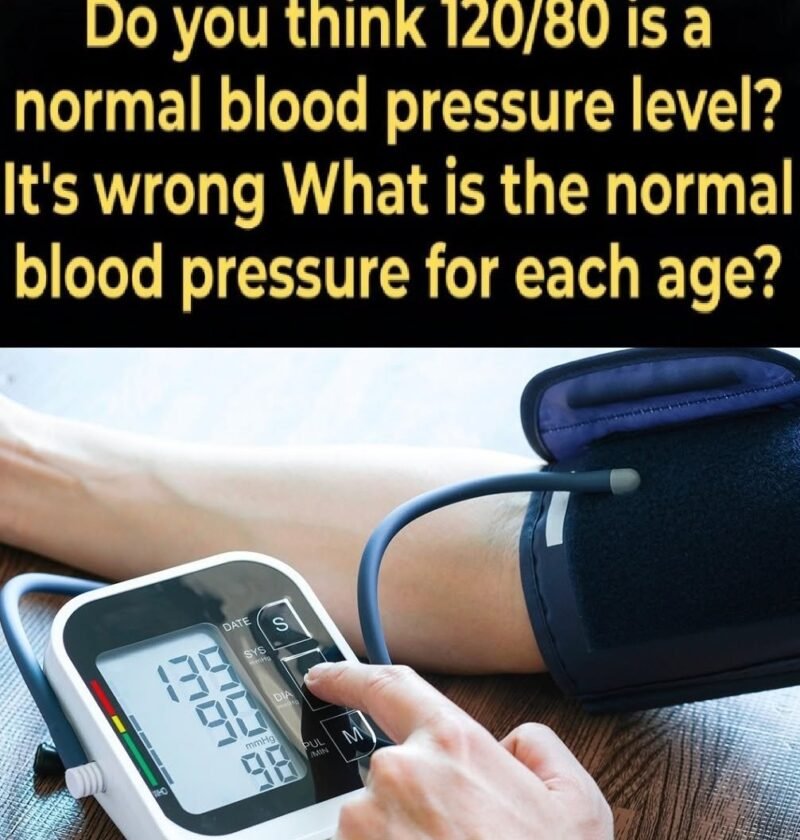
What Is The Normal Blood Pressure For Each Age

Blood pressure doesn’t have one single “normal” value for each age. For most adults, a blood pressure around 120/80 mmHg is considered healthy, and the same general adult categories are used regardless of age. Typical blood-pressure ranges Age Generally healthy/normal range* Newborns ~60–80 / 30–45 mmHg Infants ~70–100 / 50–65 mmHg Children 1–5 ~80–110 / …