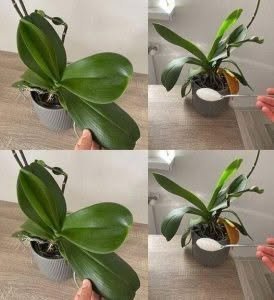
Viral videos and gardening hacks claiming that “just 1 tablespoon” of a secret kitchen ingredient (most commonly crushed garlic water, rice water, or a spoonful of Epsom salt/baking soda) will make your orchids bloom non-stop are immensely popular online.
While these DIY tonics can offer minor micronutrient boosts, a single kitchen shortcut won’t magically force a dormant orchid to burst into endless flowers. In fact, misapplying random kitchen mixtures directly onto orchid roots can sometimes do more harm than good.
What Are These Viral 1-Tablespoon Hacks?
The most frequent culprits behind the “1-spoonful” or “1-cup” miracle tonics include:
-
The Garlic Water Tonic: Crushing garlic cloves and diluting them into water. Garlic contains trace amounts of vitamins and anti-fungal properties, which proponents claim stimulates root growth.
-
Epsom Salt Solution: A spoonful of magnesium sulfate dissolved in water, meant to boost magnesium levels for greener leaves.
-
Rice Water: Starchy water leftover from rinsing rice, which supplies very mild trace minerals.
⚠️ The Reality Check: Why Kitchen Hacks Fall Short
Orchids (Phalaenopsis and other common varieties) are epiphytes—meaning in nature, they grow clinging to tree trunks in tropical forests, absorbing moisture and nutrients from the air and decaying bark, rather than sitting in rich soil.
-
They Need the Right Triggers, Not Just Tonic: Orchids don’t bloom because of a random kitchen supplement; they bloom in response to mature growth cycles and temperature drops (specifically, a slight night-to-day temperature differential of about 10–15°F during the autumn months), which signals to the plant that it’s time to push out a flower spike.
-
The Danger of Rot and Burn: Pouring organic mixtures like garlic mash, milk, or heavy starches directly onto orchid bark or root systems creates a breeding ground for fungus, mold, and bacteria. It can easily rot the delicate, silvery-green roots.
What Actually Makes Orchids Bloom Like Crazy
If you want to encourage heavy, repeated blooms from your orchids, focus on the fundamentals that mimic their natural habitat:
-
Bright, Indirect Light: The #1 reason orchids refuse to re-bloom is insufficient light. They need plenty of bright, filtered light (such as an east-facing window or a bright spot behind a sheer curtain). Direct scorching sun will burn the leaves, but deep shade stops flowering entirely.
-
Proper Watering (The Soak-and-Draining Method): Never let orchids sit in standing water. Water them thoroughly only when the roots turn silvery-gray (if they are bright green, they have enough water). If roots stay soggy, they rot and die.
-
A Specialized Orchid Fertilizer: Instead of random kitchen scraps, use a balanced, water-soluble orchid fertilizer diluted to quarter-strength, applied roughly once every two weeks during their active growing season (“weekly, weakly”).
-
Nighttime Temperature Cues: Giving your orchid a slightly cooler spot at night (around 55–65°F / 13–18°C) for a few weeks in the fall naturally triggers them to initiate a new flower spike.