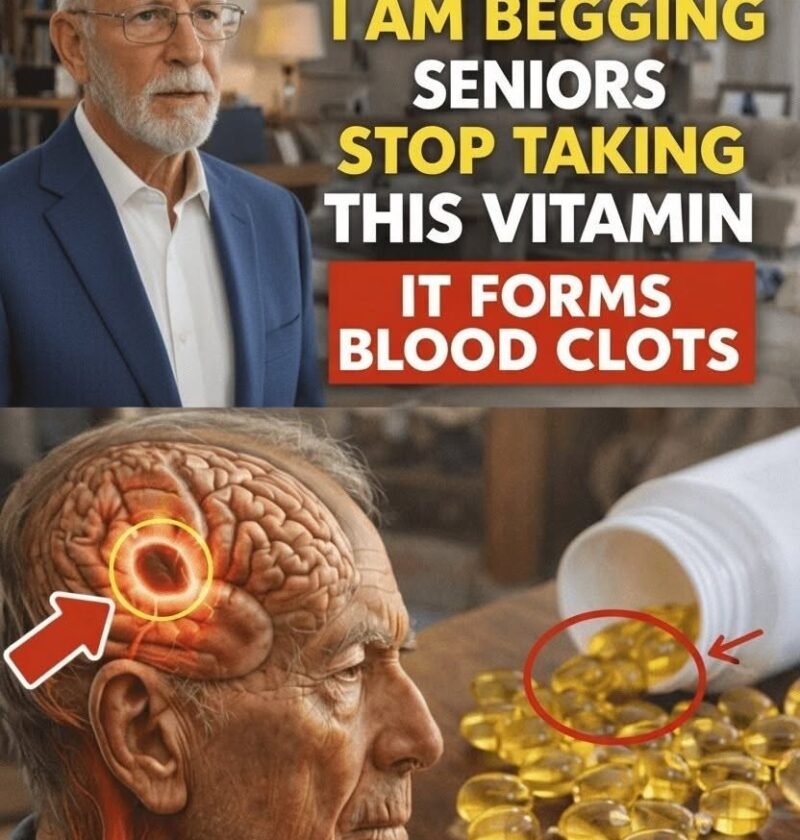
Navigating vitamin habits as we age requires a careful balance. While vitamins are essential for maintaining cognitive function, energy, and overall brain health, their relationship with stroke risk is nuanced. Neither a cure-all nor a direct cause on their own, certain vitamins play a critical gatekeeping role in keeping the brain’s vascular and nervous systems protected.
1. The Key Players: Vitamins, Brain Health, and Stroke Prevention
Specific micronutrients have a direct impact on the biological pathways tied to stroke risk—particularly ischemic strokes (which occur when blood flow to the brain is blocked).
-
The B-Vitamin Family (B6, B12, and Folate/B9):
-
The Mechanism: These vitamins work together to break down homocysteine, an amino acid in the blood. When B-vitamin levels (especially B12) are low, homocysteine builds up. High levels of homocysteine are toxic to the inner lining of arteries, promoting blood vessel damage, inflammation, and an increased risk of blood clots and ischemic stroke.
-
The Aging Factor: Up to 20% of older adults experience a B12 deficiency, often because stomach acid decreases with age, making it harder to absorb B12 from food.
-
-
Vitamin D:
-
The Mechanism: Often called the “sunshine vitamin,” Vitamin D receptors are densely populated in the brain. Low levels are strongly linked to high blood pressure (hypertension)—the single largest risk factor for stroke. Adequate Vitamin D supports endothelial (blood vessel) health, immune function, and neurological protection.
-
-
Vitamin C and E (Antioxidants):
-
The Mechanism: These vitamins help neutralize oxidative stress and inflammation, which can damage brain tissue over time and worsen outcomes following a neurological event.
-
2. Common Pitfalls: Can “More” Be Harmful?
A common misconception is that if vitamins are good for you, taking massive doses must be even better. For older adults, this can sometimes backfire:
-
The Supplement vs. Diet Distinction: Large clinical trials evaluating B-vitamin supplements in healthy populations have shown mixed results; simply taking high-dose supplements does not automatically prevent strokes unless a baseline deficiency or high homocysteine level is actively being corrected.
-
Medication Interactions: High doses of certain supplements can interact dangerously with prescriptions. For instance, high-dose Vitamin E or excessive Vitamin K manipulation can interfere with blood-thinning medications (like aspirin or warfarin), which are frequently prescribed to prevent strokes in older adults.
3. Practical Steps for Safe Vitamin Habits
To optimize your brain health and protect against vascular risks without oversupplementing, consider taking a strategic approach:
-
Get Tested First: Rather than guessing or buying random multivitamins, ask your primary care physician for a routine blood panel. Specifically, checking your Vitamin D levels and Vitamin B12/folate status provides a clear baseline.
-
Prioritize Food-First Sources: Whenever possible, let your diet do the heavy lifting. Incorporate B12-rich foods (eggs, fish, lean meats, fortified dairy) and Vitamin D-rich options (salmon, egg yolks). If you follow a plant-based diet, a B12 supplement or fortified foods are usually necessary.
-
Review Medications: If you take medications like metformin for diabetes (which is known to deplete B12 over time) or blood thinners, consult your doctor or a pharmacist before introducing new over-the-counter supplements.
-
Focus on Core Drivers: Remember that maintaining healthy blood pressure, managing diabetes, staying physically active, and eating a balanced diet remain the gold standards of stroke prevention. Vitamins are supportive tools, not replacements for foundational cardiovascular care.
Are you or a loved one considering adding a specific vitamin supplement to your routine, or looking into a particular nutrient for cognitive health?