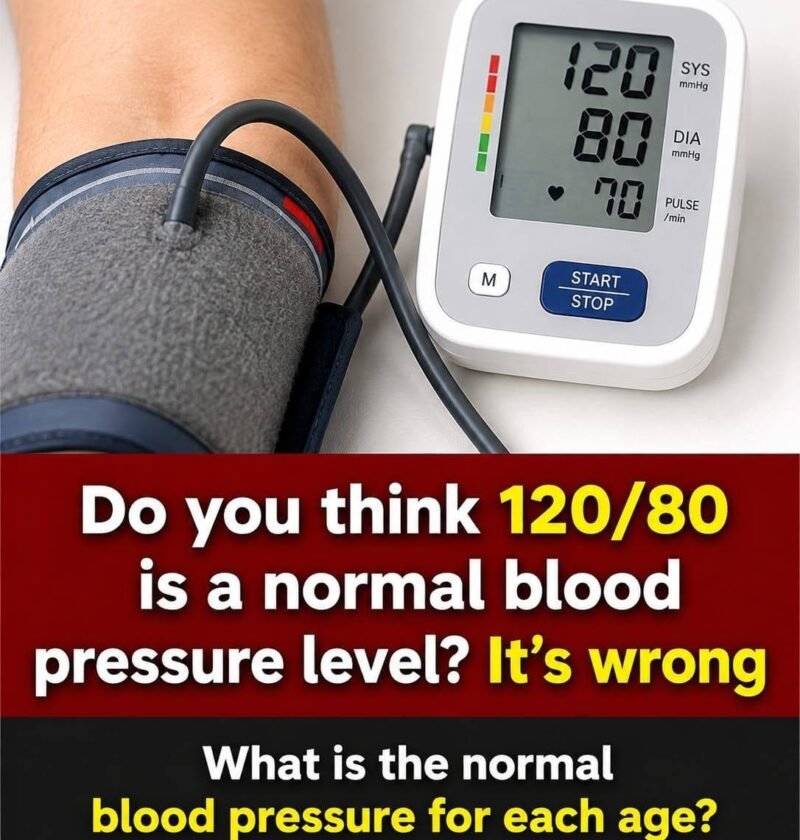
Is 120/80 Really “Normal” Blood Pressure? ❤️
120/80 mmHg is a useful reference point, but it isn’t a magic cutoff—and blood-pressure targets can vary by person. Blood pressure is written as systolic/diastolic: the top number is pressure when the heart contracts, and the bottom is pressure between beats.
For adults, commonly used categories are:
| Blood pressure | Category |
|---|---|
| Below 120/80 | Normal |
| 120–129 and below 80 | Elevated |
| 130–139 or 80–89 | High blood pressure, stage 1 |
| ≥140 or ≥90 | High blood pressure, stage 2 |
| >180 and/or >120 | Severe hypertension — needs prompt attention |
A single reading doesn’t usually diagnose hypertension. Blood pressure naturally changes with activity, stress, caffeine, pain, and time of day, so repeated properly measured readings are more useful.
👶 What about different ages?
There isn’t a simple rule saying that everyone should have a different “normal” blood pressure based solely on age. Children and teenagers use age-, sex-, and height-specific reference ranges, while adult thresholds generally aren’t adjusted simply because someone is older.
For older adults, treatment goals should be individualized based on overall health, other medical conditions, medications, and risk of falls or low blood pressure.
🚨 When is it an emergency?
If your blood pressure is over 180/120, repeat it after a few minutes. If it remains that high, contact a healthcare professional promptly. If it is accompanied by chest pain, severe headache, shortness of breath, weakness/numbness, vision changes, confusion, or difficulty speaking, seek emergency medical care immediately.
And if you’re consistently getting readings around 130/80 or higher, discuss them with your healthcare professional rather than judging your health from one measurement.